Payments for all
Recent developments in society
- Accessible online services are not only required by law, but also requested by customers.
- Specific groups require specific services and assistance (such as people in vulnerable positions, people who have difficulty managing their banking affairs independently, refugees, newcomers, and people who have made the mistake of breaking the law).
- There are fewer bank offices, but there are alternative assistance options that are not yet sufficiently known.
Role of the Dutch Payments Association
- The Dutch Payments Association implements the collective part of the Accessible Banking program, in collaboration with social institutions and organizations. This includes coordinating the implementation of European accessibility legislation.
- We manage collective agreements and a website about basic bank accounts and basic payments accounts. Anyone who is no longer able to obtain a regular account can find information there about possible alternatives.
- We bring parties together to enable payments accounts for refugees and migrants (for example, from Ukraine and the Caribbean).
Our vision for the future
- The Accessible Banking program will run until 2030, after which local assistance and effective referrals (Hulp Dichtbij) must be organized in a future-proof manner.
- The accessibility of internet banking, websites, and banking apps remains a constant focus.
- We believe it is important that as many people as possible have access to a payments account. What if someone no longer has a legal right to a payments account? The Dutch Payments Association has made agreements with banks about a second chance. These agreements must be clear to consumers and social workers.
Facts and figures
-
74% Three-quarters of Dutch people aged 18 and older manage their banking affairs themselves without assistance, while one-quarter require assistance.Three-quarters of Dutch people aged 18 and older manage their banking affairs themselves without assistance, while one-quarter require assistance.
-
Four in ten Dutch people belong to one or more focus groupsFour in ten Dutch people belong to one or more focus groups
-
56% 56% of Dutch people in focus groups need some degree of assistance with banking matters56% of Dutch people in focus groups need some degree of assistance with banking matters
Latest news
-
Your bank is always nearby!
-
News
-
Payments for all
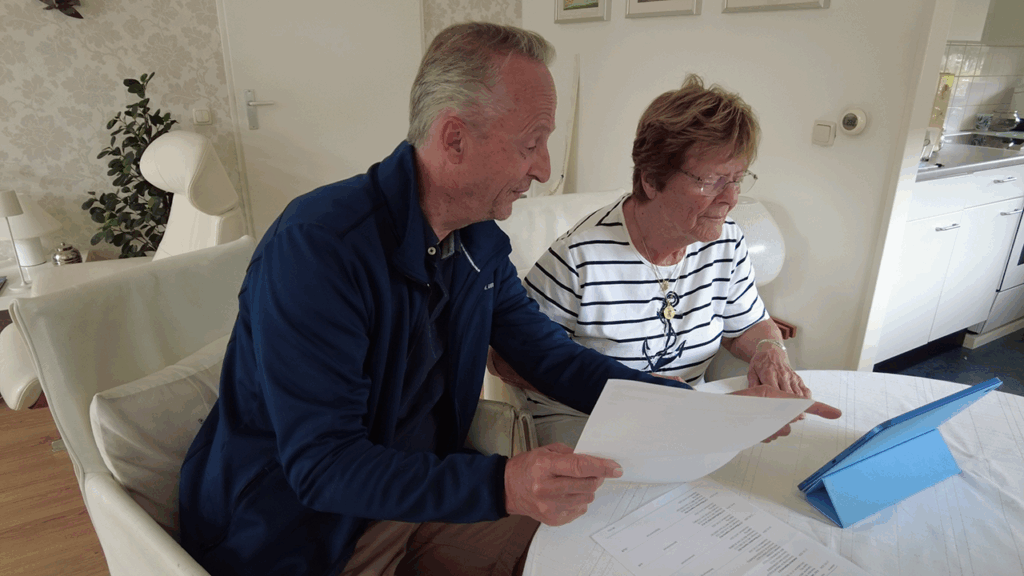
Research commissioned by the ‘Accessible Banking’ programme(opens in new window) shows that more than half of those who are unable to manage their banking affairs entirely independently do not know how to get in direct, personal contact… -
A list of articles
-

High confidence in Dutch payment system
-
News
-
Card payments
-
-
Growing number of people are satisfied with handling their daily banking affairs
-
News
-
Payments for all
-
-
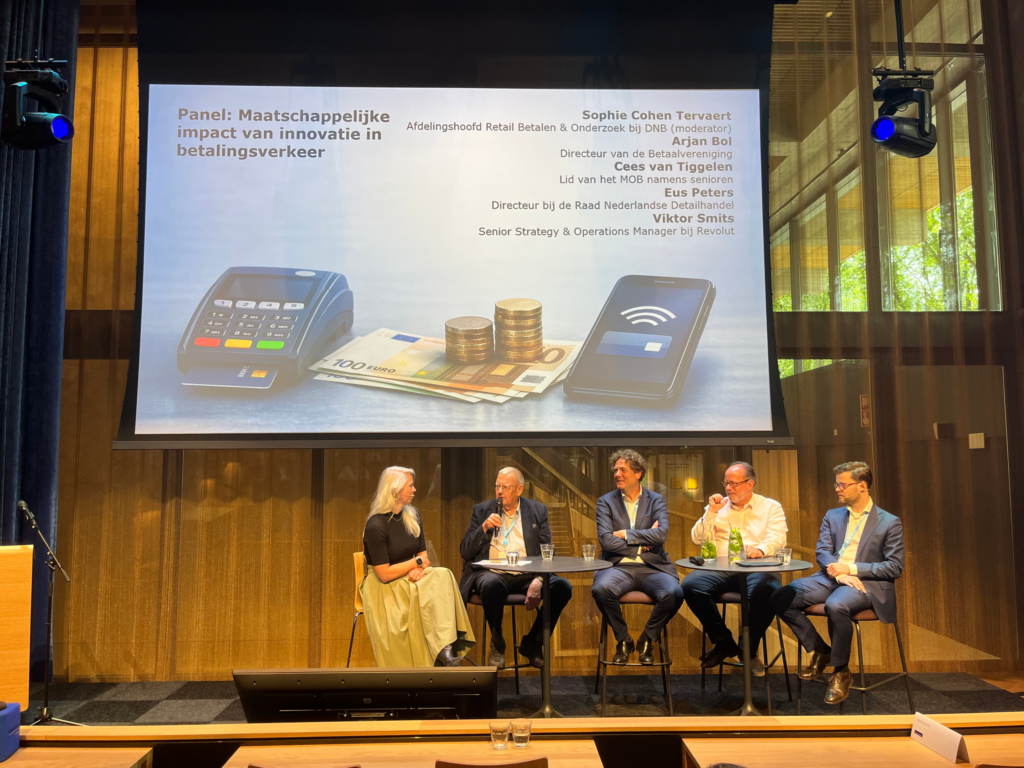
Innovation Takes Center Stage at Annual DNB Symposium on Payments
-
News
-
Payments for all
-
-
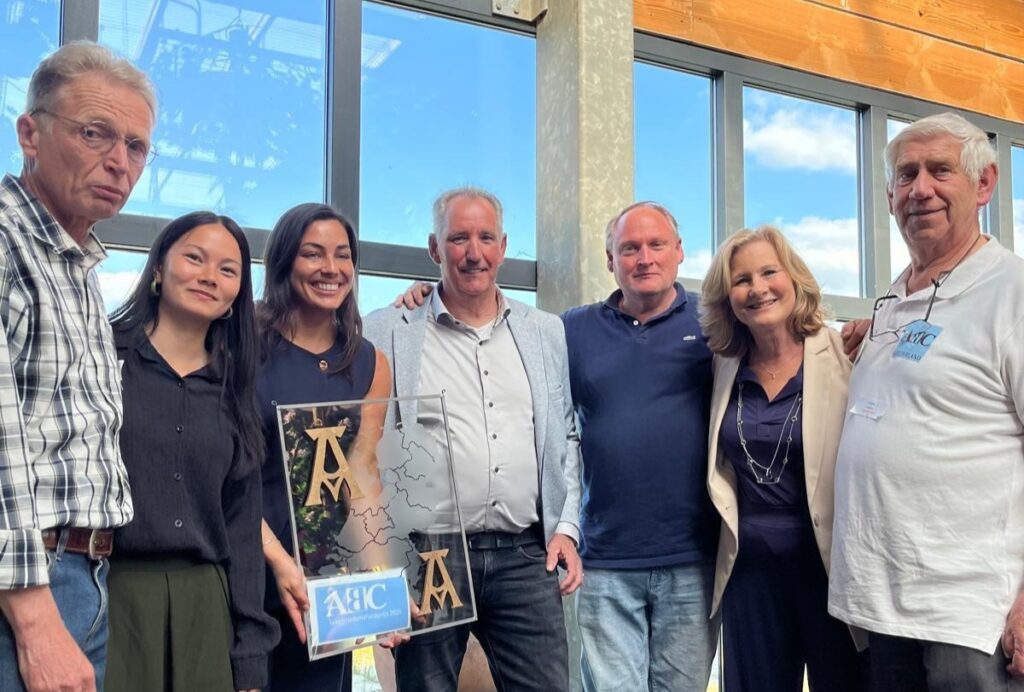
Accessible Banking Wins the ABC Trophy
-
News
-
Payments for all
-
Frequently asked questions
-
Does everyone have the right to a bank account?
The Financial Supervision Act stipulates when someone is entitled to a payments account and when that right no longer applies. Most consumers can open a payments account, even if they have made a mistake in the past. However, the payment service provider may impose conditions. Information about basic payments accounts and basic bank accounts(opens in new window) . Individuals on a sanctions list do not have access to a payments account.
-
What is the Accessible Banking program?
The Accessible Banking program is a support program in which banks and social organizations work closely together to make digital products and services more accessible and to offer more help to customers who have difficulty using digital services. The aim is to enable as many bank customers as possible to manage their everyday payments and banking affairs themselves. This means they must also be able to find the right information and the many forms of support quickly and easily. The program will run until 2030 and has its own website(opens in new window) with more information.
-
Why was the Accessible Banking program set up?
Research conducted by DNB(opens in new window) (2023) showed that around 2.6 million Dutch people are unable to manage their banking and payment affairs completely independently, for a variety of reasons. They are also often unable to find the existing support options and assistance available to them. The research also showed that people in vulnerable positions are more dissatisfied with everyday banking matters than the average Dutch citizen. That is why banks want to offer more help and raise awareness of this among this target group.
-
What banking issues do people struggle with?
The main problems are transferring money, viewing statements and, to a lesser extent, checking balances and withdrawing cash. Most people generally have no trouble paying in stores. The Monitor Toegankelijk Bankieren(opens in new window) (2026) explores this issue in depth.
-
What is the sector doing to help?
In 2023, the banks set up the Accessible Banking program to improve products and services and make help easier to find. They are working together on this program, with Geldmaat and numerous interest groups and social institutions. The program has its own website(opens in new window) with more information.
-
What are members of the Dutch Payments Association doing with the European Accessibility Act (EAA)?
The aim of this European Accessibility Act is to ensure that people with disabilities throughout the European Union have the same (online) opportunities and user experience as people without disabilities. The EAA applies to a wide range of products and services, from ticket machines to e-books. The members and partners of the Dutch Payments Association focus on making banking services, ATMs, and other payment terminals (hardware and software) accessible to consumers. The Dutch Payments Association coordinates and supports these efforts.
Downloads
Let's shape the future of payments together
Join the network of payment service providers working together to create a secure, reliable, accessible, and efficient payment ecosystem in the Netherlands.
- Access to up-to-date knowledge and developments in payments
- Influence on policy and standards in the Netherlands and Europe
- Representing the sector to stakeholders
- Part of the Dutch payment ecosystem