Industry organisations: involve the financial sector in the roll-out of digital wallets
Industry organisations are calling on the government to work closely with the financial sector when developing and introducing digital wallets for digital identification and transactions by consumers and businesses.

This is evident from a letter from the Dutch Banking Association, the The Royal Dutch Association of Civil-law Notaries, the Dutch Payments Association and the Dutch Association of Insurers (in Dutch). The organisations are sharing their views in the run-up to a round-table discussion in the House of Representatives(opens in new window) on the eIDAS Regulation and the European Business Wallet – a means of enabling citizens and businesses to exchange digital data easily and in a privacy-friendly manner.
Avoid extra steps and disparate systems
The sector organisations emphasise that a wallet must genuinely offer user convenience. “If citizens and businesses do not feel it saves them time and offers convenience, they will not use it,” they fear. The features in the wallets must therefore not only align well with existing government processes, but also with those of the business sector. This will help to reduce administrative burdens. And to make it easier for citizens and businesses to share information and data that institutions request, for example, to prevent money laundering.
Use existing expertise
That is why the coalition is calling on the government to make particular use of their knowledge and experience regarding digital identification, fraud prevention, liabilities, cyber security, operational resilience and 24/7 service provision. “Successful implementation in the Netherlands requires structural cooperation between the government and the business community. To ensure, together, that a digital trust infrastructure is created that meets the expectations of citizens, businesses and public authorities.”
Wallet for citizens and businesses
The European Digital Wallet is a digital wallet for citizens to store personal data and documents. For businesses, there is the European Business Wallet. The wallet consists of a set of government-verified documents, such as passports, birth certificates, Chamber of Commerce extracts and licences. As the documents have already been verified, citizens and businesses within the Netherlands – and across borders – can share data with one another easily, quickly, securely and in a privacy-friendly manner. For example, to open a current account, take out insurance or set up a private limited company. Printing, signing and scanning copies of documents such as passports is then no longer necessary. The wallets therefore offer more possibilities than the current DigiD.
Related articles
-

The Payments Association at GDC26: digital identity and payments
-
News
-
Digital identity
-
-
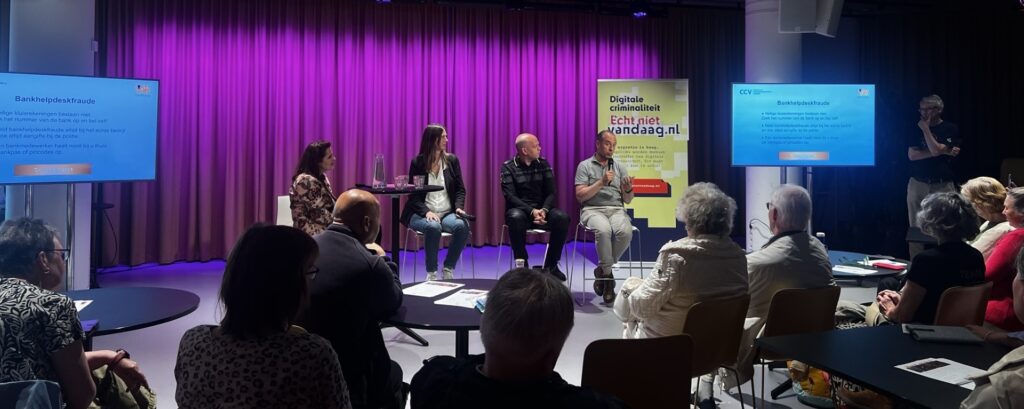
Digital Resilience and AI
-
News
-
Digital identity
-
-
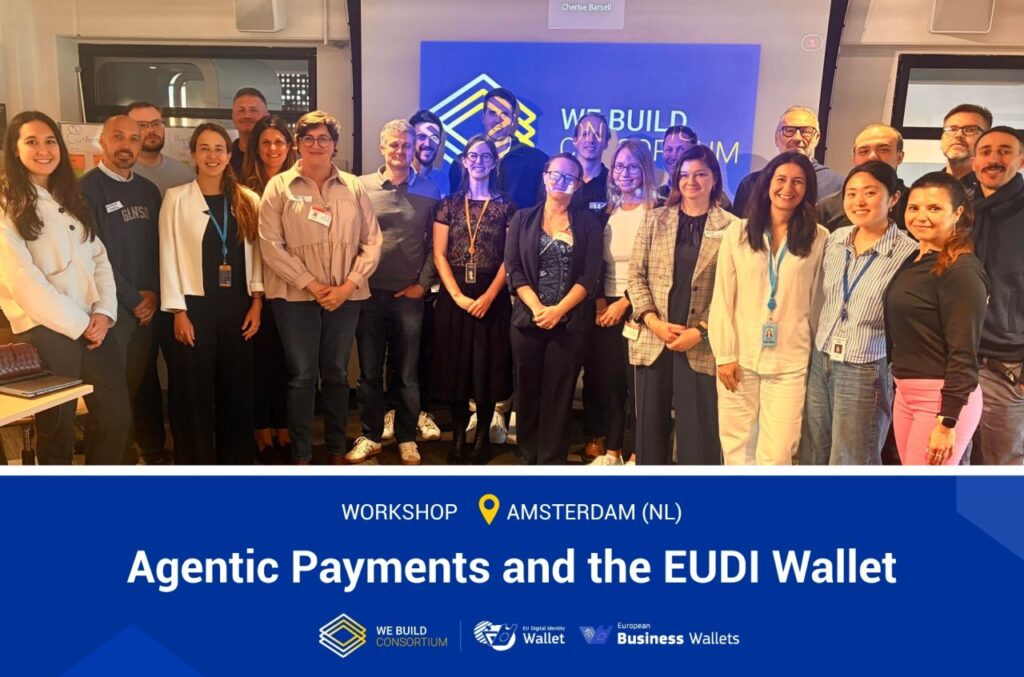
Workshop on agentic payments and the EUDI Wallet
-
News
-
Digital identity
-
-
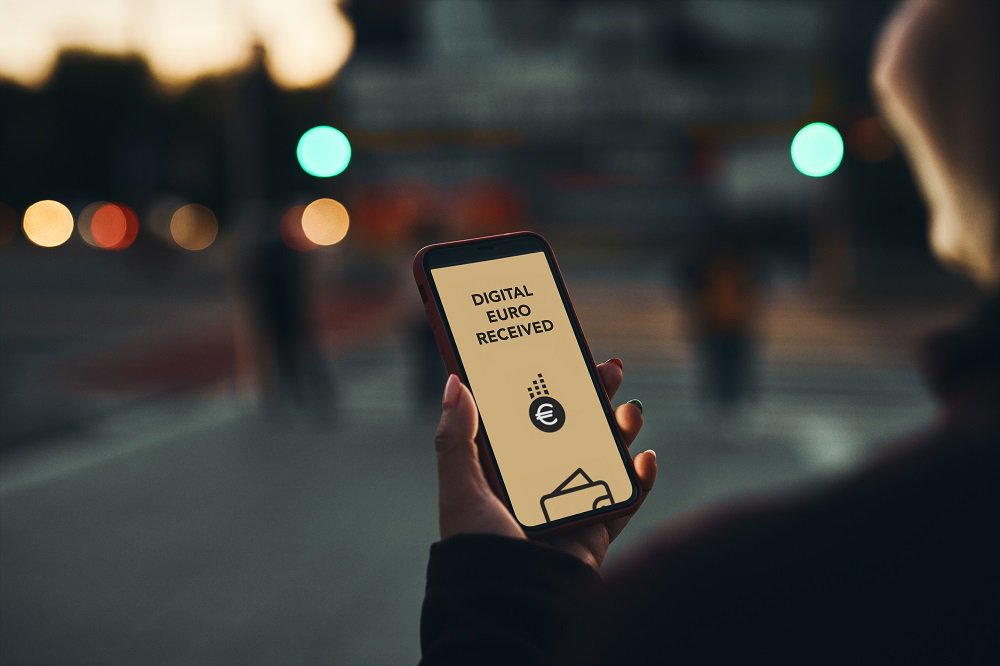
EU trilogue on the digital euro begins
-
News
-
European legislation
-
-

BIC and Identifier ‘YABNNL22’ added to the SEPA BIC list
-
IBAN/BIC list
-
IBAN and BIC
-
-
More travelers very satisfied about traveling with payment card
-
Press release
-
Card payments
-