
Success in tackling smishing
Phishing affects a growing number of people and has rapidly become a societal problem. It undermines the trust that the public, consumers and businesses place in organisations such as banks, the Dutch Tax Administration and telecom providers. The direct financial losses are substantial and now run into millions of euros.
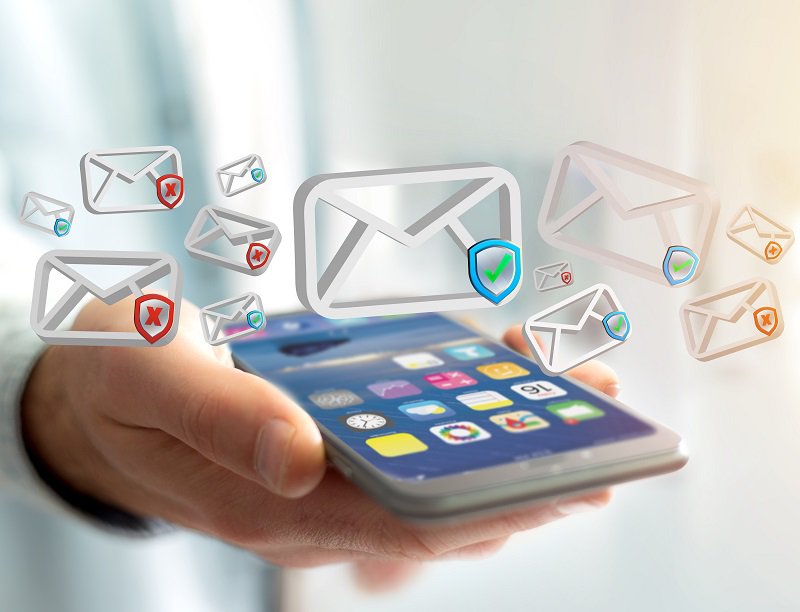
One specific form of phishing is smishing, or SMS phishing(opens in new window) . Criminals approach consumers by text message and entice them to make online payments to the criminal. Many parties are involved in tackling smishing, and no single party can solve the problem alone. In addition to the Dutch public, the parties involved include the telecom sector, government agencies such as the Dutch Tax Administration, the financial sector, the Ministry of Economic Affairs and Climate Policy, the Netherlands Authority for Consumers and Markets, and law enforcement organisations such as the police(opens in new window) and the Public Prosecution Service.
Action plan
Because of the rapid growth of this societal problem, Vereniging COIN, which represents most telecom providers in the Netherlands, and the Dutch Payments Association took the initiative in 2020, in close consultation with the Ministry of Economic Affairs and Climate Policy, to involve the relevant parties in drawing up an action plan. The plan aims to rapidly reduce the problem to acceptable proportions.
Over recent months, all parties involved have worked on the plan under the direction of Vereniging COIN(opens in new window) and the Dutch Payments Association. Most actions in the plan have been carried out and embedded in the participating organisations. Specific actions include sharing knowledge about criminals’ fraud methods, identifying the mobile numbers they use and blocking those numbers where appropriate, establishing a central reporting point with the police and developing a dashboard.
Lower losses
These actions are expected to rapidly reduce losses from smishing, and the first results are encouraging. Various monitoring tools have also been put in place to track developments in smishing losses, enabling rapid action if losses start to rise again. The participating organisations have made agreements to this effect, and the communication channels established during the project phase will remain in place. These contacts can also be used when new initiatives are needed, involving the same or different stakeholders.
Related articles
-

High confidence in Dutch payment system
-
News
-
Card payments
-
-
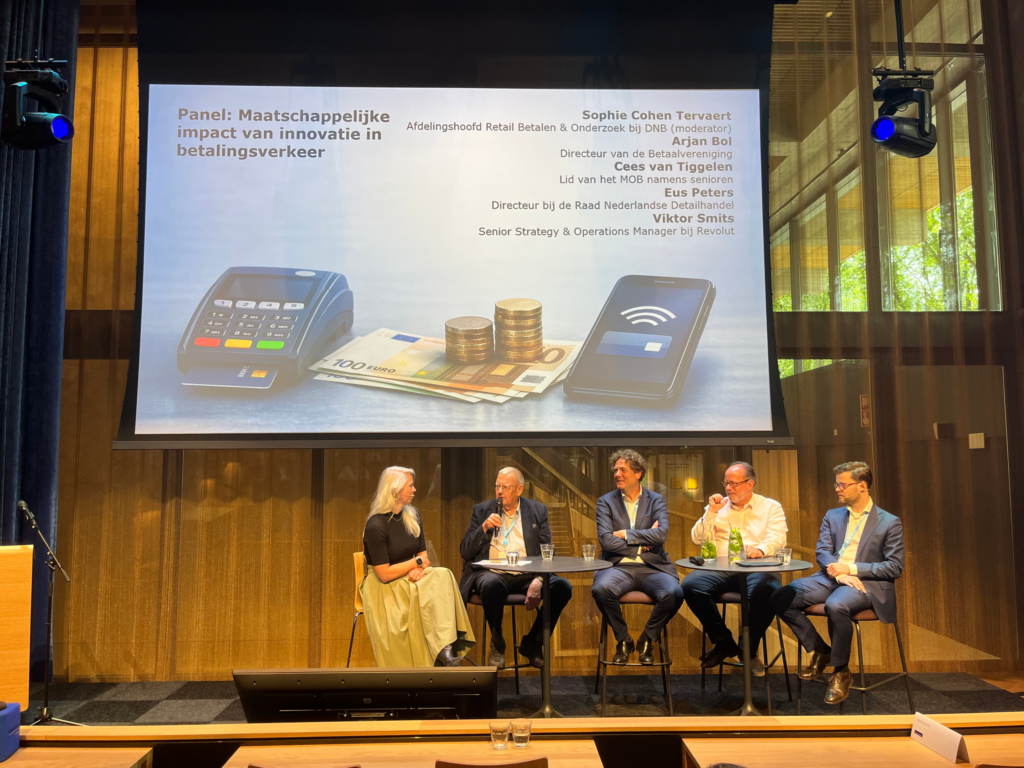
Innovation Takes Center Stage at Annual DNB Symposium on Payments
-
News
-
Payments for all
-
-
Six out of ten retail business owners say they are prepared for card payments failures
-
News
-
Card payments
-
-
Make sure you have (digital) fallback options in case of a potential card payments failure!
-
News
-
Card payments
-
-

BIC and Identifier ‘YABNNL22’ added to the SEPA BIC list
-
IBAN/BIC list
-
IBAN and BIC
-
-
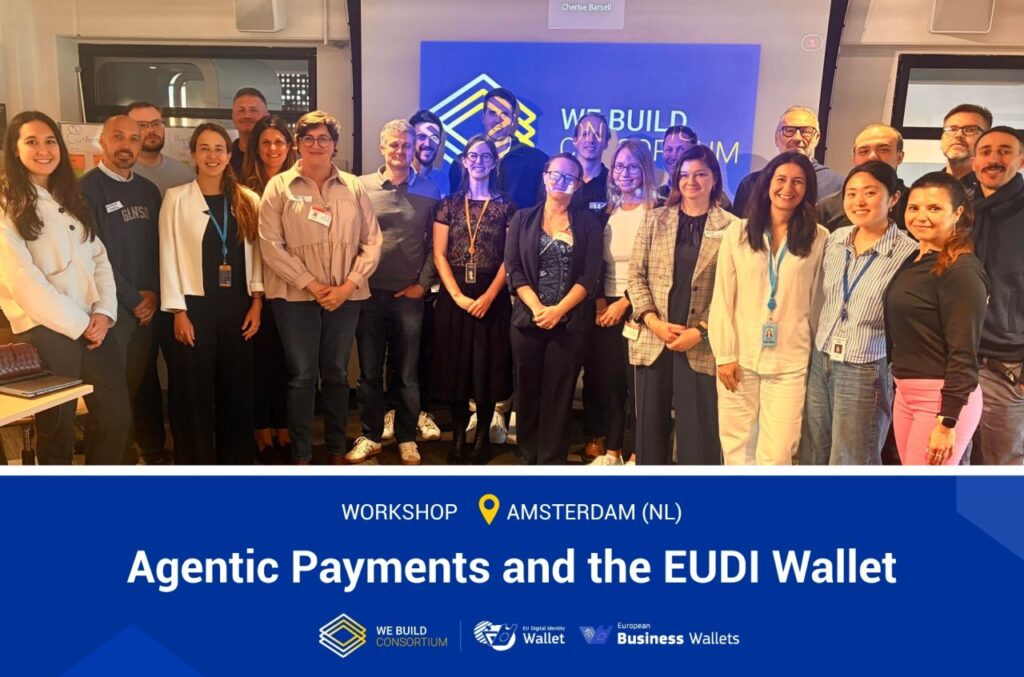
Workshop on agentic payments and the EUDI Wallet
-
News
-
Digital identity
-