
European direct debit is safe, convenient and reliable
Published on:
A recent article in NRC Handelsblad, followed by coverage in other media, suggests that European direct debit fraud is widespread in the Netherlands. The facts and figures show otherwise. In the incident reported by NRC, the payer – the person who granted the direct debit mandate – suffered no financial loss.

- European direct debit is a payment product based on mutual trust between payer and creditor, and between bank and customer.
- European direct debit is generally a highly efficient, convenient and secure payment product. Precisely because it is based on trust, payers have extensive options to block unjustified direct debits in advance or reverse them afterwards. Consumers can have an unauthorised direct debit reversed up to 13 months after it took place. These safeguards provide very strong protection when a creditor breaches the trust on which a direct debit mandate is based.
- Only businesses with a valid direct debit agreement with a bank or accredited direct debit service provider may collect direct debits. Before an agreement is issued, the bank or service provider checks whether the business customer is eligible.
- Each year, approximately €250 billion is paid by European direct debit in the Netherlands without incident. Direct debit fraud caused losses of €32,441 in 2016. In the first half of 2017, direct debit fraud losses rose to €449,000. Thanks in part to the strong safeguards for payers, European direct debit fraud remains limited to isolated incidents.
- European direct debit rules allow a bank to provisionally credit a direct debit and reverse that credit within three to five working days, for example if it subsequently becomes clear that the payer is unable to pay. These rules are set out in the direct debit agreement between the bank and the creditor. A creditor must therefore always take account of the possibility that a direct debit credit may be reversed.
- Provisionally crediting a European direct debit is permitted under European regulations, but it is not a standard, collective practice among banks. Each bank decides whether to apply this procedure to a direct debit, and the approach may even differ from one customer to another.
- A recurring direct debit is convenient and useful for repeated periodic payments by a debtor, for example instalment payments or an ongoing service or product.
- A one-off direct debit is convenient and useful when a debtor wants to pay for a service or product after it has been supplied in full, for example for an online shop order, or when the debtor wants to order immediately and pay at the end of the month after their salary has been credited to their bank account.
Related articles
-

Pay-by-Bank, what is it?
-
News
-
Online payments
-
-
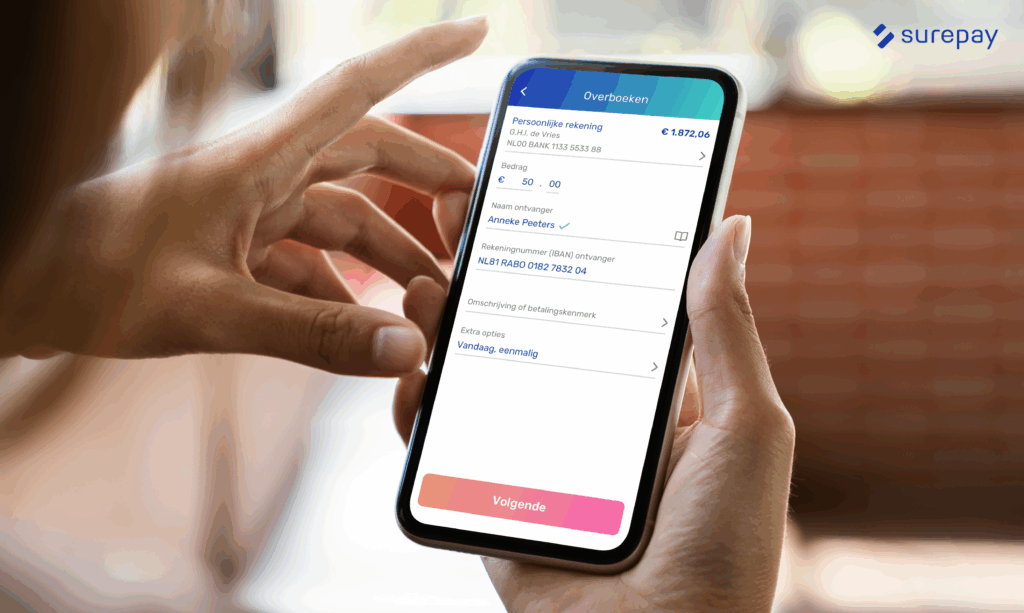
A2A payments continue to grow
-
News
-
Online payments
-
-

High confidence in Dutch payment system
-
News
-
Card payments
-
-

New bank account numbers Dutch Tax Administration
-
News
-
Account-to-Account payments
-
-

The Digital Euro and Stablecoins: Apples and Oranges
-
News
-
European legislation
-
-

Payment orders with unstructured address data will be rejected starting November 14 or 15, 2026
-
News
-
European legislation
-