
Payments newsletter: Betaaljournaal 23
Back to school! I hope everyone has had a lovely summer holiday and has been able to get back into the swing of things, full of inspiration and energy.
Thanks in part to the far-reaching harmonisation of European payments over the past few decades, our cross-border travel and holidays have already become incredibly easier. Electronic payments are possible everywhere, both within and outside the eurozone, with the Netherlands leading the way. Yet this harmonisation is continuing at a rapid pace. In this newsletter, you can read about the EU’s plans for the successor to PSD2, featuring a new PSR Regulation and a PSD3 Directive. Not to mention a legislative package concerning the digital euro – but more on that in a future issue of Betaaljournaal.
This harmonisation relies heavily on far-reaching digitalisation. This newsletter illustrates this with an update on travelling easily on public transport using a contactless debit or credit card, and the state of e-commerce in the Netherlands.
Not everyone is able to keep up with the rapid pace of this digitalisation. At the same time, it is important that as many people as possible are able to manage their day-to-day banking affairs independently – preferably digitally. That is why we are also providing the latest news on the pilot scheme involving banking information points and the extension of the Cash Covenant.
Plenty to read to get you fully up to speed for the new ‘payment season’.
Gijs Boudewijn, Managing Director

- Discounts when travelling with a payment card in Amsterdam
- Bank information points: High satisfaction, visitor numbers disappointing
- European Commission presents PSD3 and PSR legislative proposals
- Seven fallback options in the event of a debit card malfunction
- Additional agreements under the Cash Covenant
- Berlin Group and nexo standards are developing joint standards for payments using the digital euro
- Number of online purchases stabilises, spending rises
- Geldland
- Figures
- Calendar
Discounts when travelling with a debit or credit card in Amsterdam
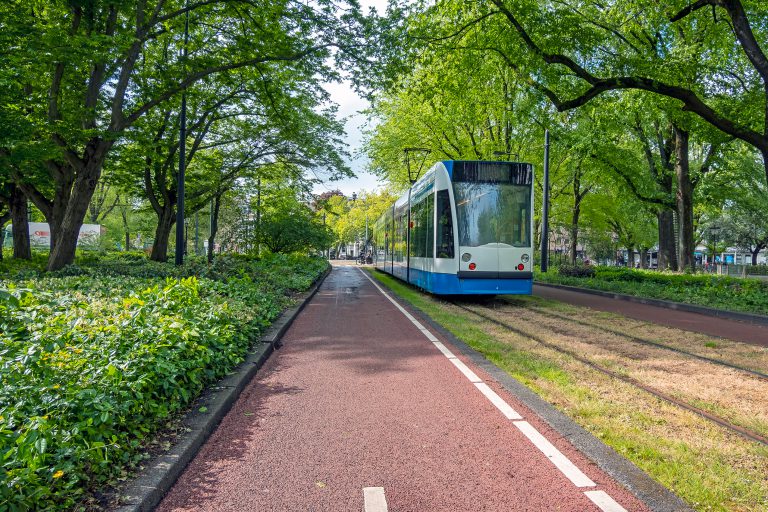
Amsterdam now offers the option to link a GVB discount product for frequent travellers to a debit or credit card . This will also become possible for age-related discounts in the future. To do so, a traveller must first register their debit or credit card online with the GVB in order to link the travel discount to it.
Until now, travelling with a debit or credit card has mainly been convenient for occasional public transport users and foreign visitors, as this was the only way to travel without a discount. It is expected that other transport operators will soon follow the GVB’s example.
Even without discounts, the use of debit and credit cards for checking in and out on public transport is already growing rapidly. In The Hague, 10% to 15% of tram and bus journeys are now made in this way. In October 2022, The Hague became the first major city to introduce travel using a debit or credit card. In Amsterdam, over 12 per cent of all journeys are made using a payment card. In Rotterdam, the system was only introduced last June, and the figure there is already 6 per cent.
Bank information points: High satisfaction, visitor numbers disappointing
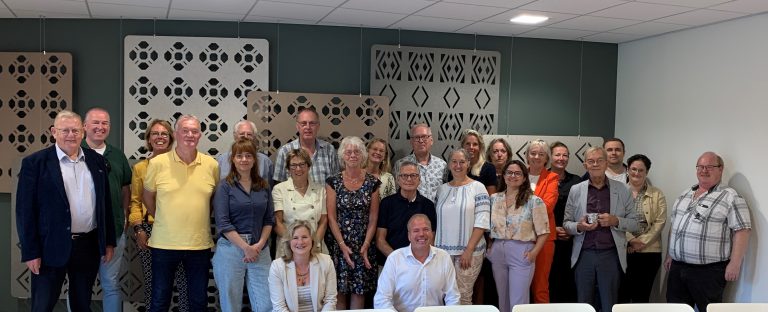
In line with the commitment made by banks on 30 January 2023 , we launched a pilot scheme involving banking information points on 1 June across 10 municipalities, spread across 19 locations. This pilot ran until the end of August and featured variations in location type, staffing (ranging from volunteers to professionals, both from the banking and non-banking sectors) and location (town or village).
The pilot has now been completed, except at a few locations where staff are still active. Research agency Perspective carried out an evaluation and presented the results to those directly involved, including the Accessible Banking working group, accessibility managers, libraries, Geldmaat and volunteers. All objectives were achieved; only the target number of visitors – an average of two per hour per location – was not met. Both visitors and information providers were very satisfied.
The study has produced various recommendations for the follow-up pilot, known as ‘Pilot 2.0’. A decision on this will be taken by the board in October. The locations for Pilot 2.0 will be selected in close collaboration with the partners, including the Digital Living Alliance, libraries and Geldmaat. The ultimate aim of Pilot 2.0 is to gather sufficient data to enable a final decision on the establishment of permanent banking information points. The full research report will be made available on the programme website at the end of September.
European Commission presents PSD3 and PSR legislative proposals
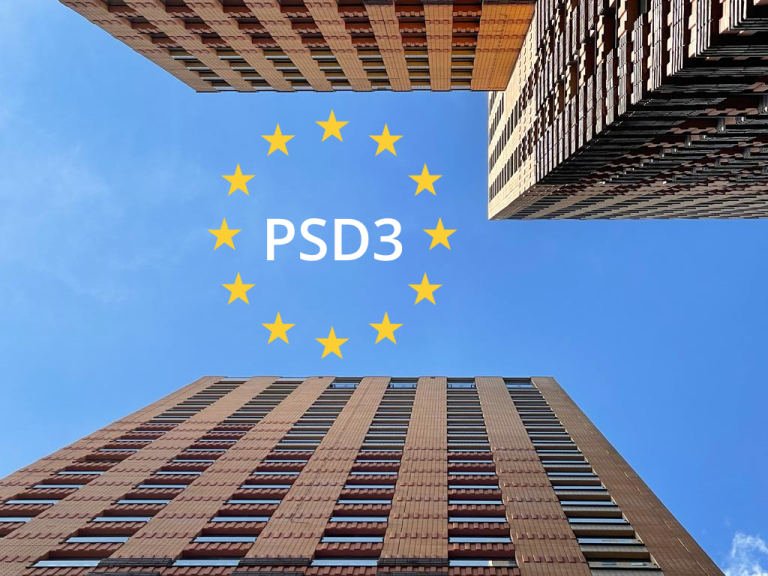
The European Commission has revised the PSD2 Directive. Following the amendment, addition or deletion of certain provisions, these were incorporated into a regulation and a directive on 28 June:
- Proposal for a Regulation of the European Parliament and of the Council on payment services in the internal market and amending Regulation (EU) No 1093/2010 (‘PSR’) (including annex);
- Proposal for a Directive of the European Parliament and of the Council on payment services and electronic money services in the internal market, amending Directive 98/26/EC and repealing Directives 2015/2366/EU and 2009/110/EC (‘PSD3’) (including annex)
It is important to note that the PSR is a regulation with direct effect, whereas PSD3 is a directive that must be transposed into the national legislation of each Member State. With the proposals for the PSR and PSD3, the European Commission has four main objectives:
- Better protection and greater confidence for users of payment services.
- Further development of the framework for ‘Open Banking’.
- Better enforcement and uniform implementation of the law.
- Easier access to payment accounts and payment systems for non-bank payment service providers.
The Dutch Payments Association is currently working with its members and the NVB on a joint response to these legislative proposals. This response is expected to be submitted on 27 September. The response focuses in particular on topics such as Open Banking, consumer protection, fraud detection, data exchange on fraud, Confirmation of Payee (CoP) and Strong Customer Authentication (SCA), as well as answers to questions for clarification raised by the sector. The full response from the Dutch Payments Association will be available on our website.
Seven fallback options in the event of a debit card payment failure
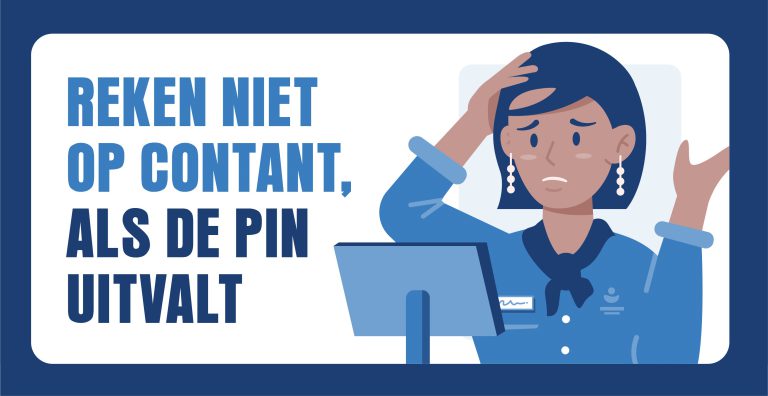
Fortunately, major debit card payment system failures are virtually unheard of. Partly because the debit card network is so reliable, shops are often ill-prepared should a disruption occur. These are usually short-lived, localised or limited disruptions, for example affecting a single shop, a single neighbourhood or a single telecoms provider.
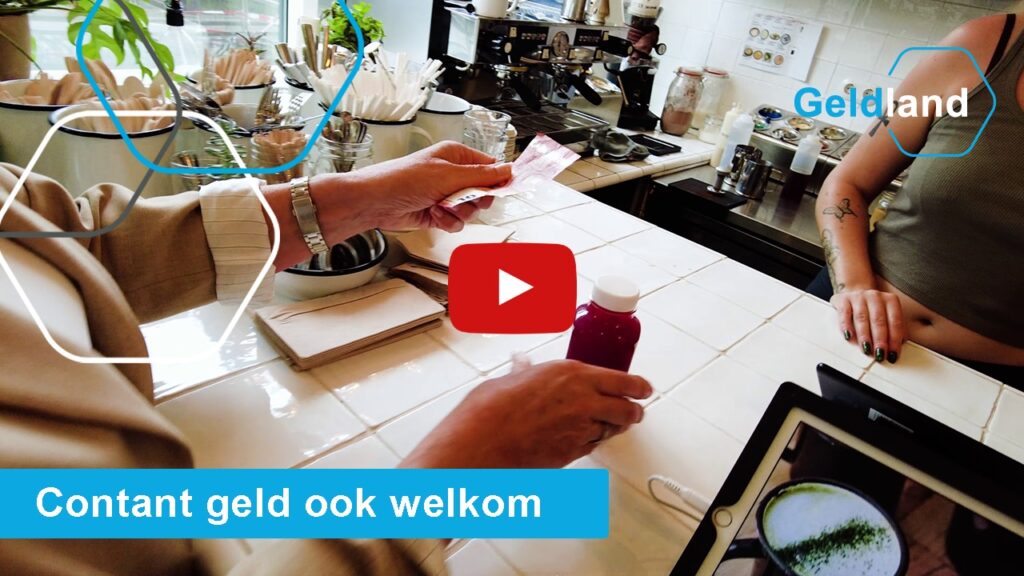
Fortunately, there are no fewer than seven different fallback options available to business owners if they are affected by a temporary debit card payment disruption, including iDEAL QR codes, mobile payment requests, deferred debit card payments and, of course, cash. Our Geldland video reviews all seven of them.
On PIN.NL, we have posted a simple interactive decision aid that allows business owners to find out which fallback options are best for them specifically.
Additional provisions under the Cash Agreement
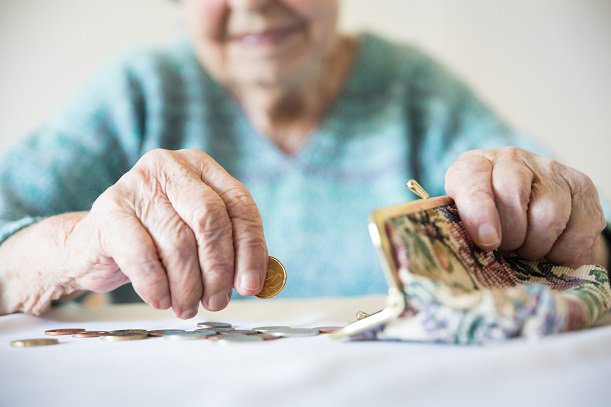
Under the Cash Covenant , the four major banks, the Dutch Payments Association, cash service providers, De Nederlandsche Bank and representatives of consumers, the elderly, retailers, the hospitality sector and petrol stations, agreed on 7 April 2022 to ensure that cash remains readily available and usable. On 12 June, all parties agreed to continue the Covenant, including a number of smaller banks that have since also endorsed it. A few additional agreements have been included in an addendum to the Covenant; these concern agreements proposed by DNB regarding the indexation of fees for cash services.
Berlin Group and nexo standards are developing joint standards for payments using the digital euro
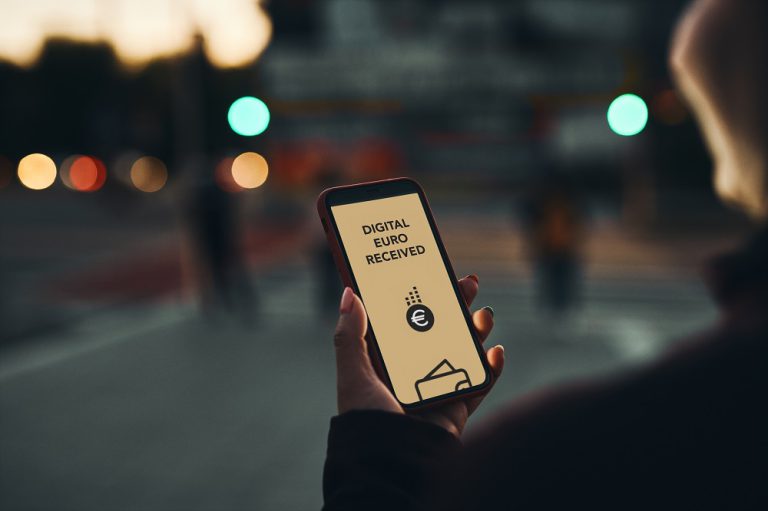
Although the introduction of the digital euro has not yet been finalised, nexo standards and the Berlin Group are already joining forces on this issue. They are developing joint standards to facilitate payments using the digital euro across the EU. These standards will ensure seamless integration with existing payment infrastructure and contribute to ease of use. The Dutch Payments Association is a member of the Berlin Group and is actively involved in this initiative.
Number of online purchases stabilises, spending rises
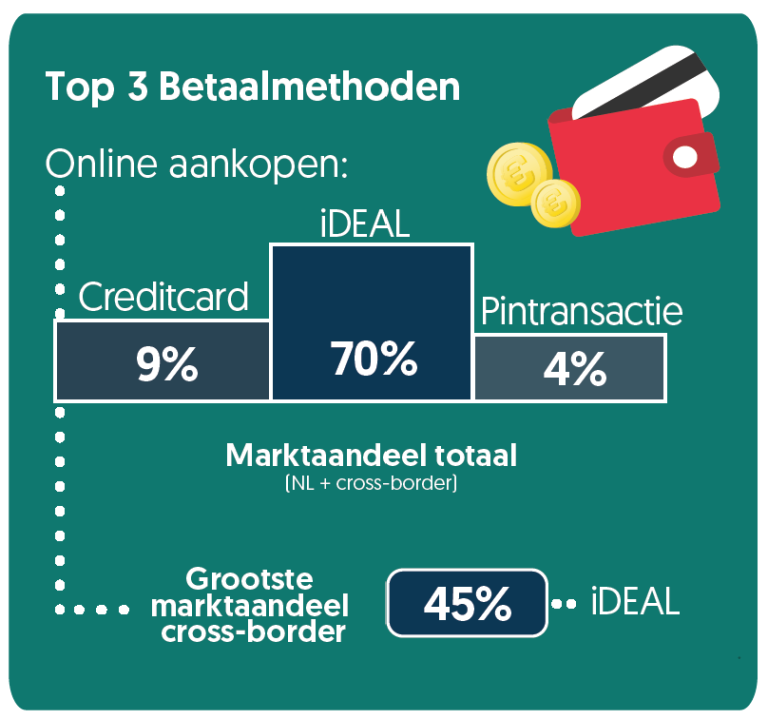
In the first quarter of 2023, Dutch consumers spent over €8.5 billion online, representing a 5% increase compared with Q1 2022. Although the number of purchases remained stable at 84 million, the average amount spent per purchase rose to €102. Among the product categories, the increase was particularly noticeable in the DIY/Garden category, whilst the Food/Nearfood category saw a decline.
The services sector in particular continues to grow, especially in the Tickets, Travel and Accommodation sectors.
Geldland

Watch our latest videos here:
Figures
In August, 40% of all debit card transactions were made using a mobile phone; that’s around 180 million transactions.
More key figures at pin.nl
Calendar
- 2 October – Giraal Stakeholder Forum/Card Forum
- 12 October – Shopping Today event
- 18 October – Board meeting
- 18 & 18 October – Open Banking Expo, London
- 15 November – General Meeting of Members, followed by the Annual Conference of the Dutch Payments Association
- 27 November – Digital Inclusion Day
- 28 November – Social Dialogue on Payment Transactions
Members’ Bulletin
In addition to this Betaaljournaal, the Dutch Payments Association also publishes Member Bulletins. In these, we inform members about practical matters of importance. The bulletins are usually published a few times a month and focus on a specific theme. Are you a member but not yet receiving these bulletins? You can ask to be added to the mailing list via secretariaat@betaalvereniging.nl.
Subscribe to the Betaaljournaal
Are you also interested in the latest developments in the payments sector? Stay up to date via the ‘Betaaljournaal’. You can subscribe here.
Related articles
-
Annual Report 2025: A Year of Innovation in Domestic and European Payments
-
Association news
-
-
Trial with €100 banknotes at Geldmaat
-
News
-
Cash payments
-
-

Grand Opening of Renovated Office Celebrated
-
News
-
-

Payments newsletter: Betaaljournaal 40
-
Payments newsletter
-
-

Industry organisations: involve the financial sector in the roll-out of digital wallets
-
News
-
Digital identity
-
-
Make digital euro useful, simple and affordable
-
News
-
European legislation
-