P2P payments

Recent developments in society
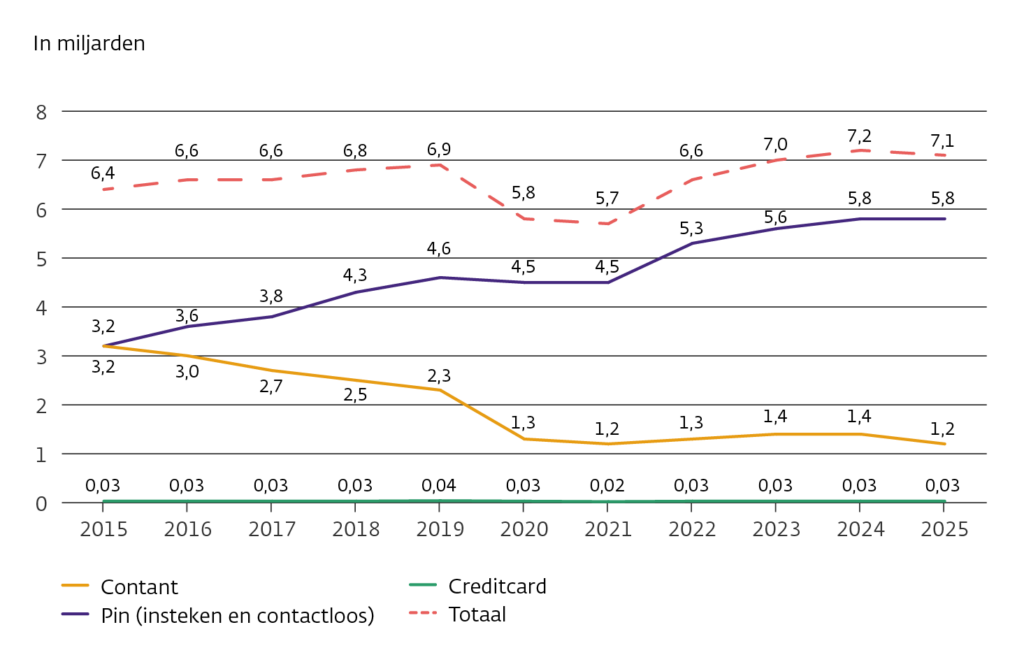
- Whereas peer-to-peer payments used to be made primarily in cash, they are now often made electronically. In 2025, 66% of all peer-to-peer payments were electronic.
- In 2025, the total value of all peer-to-peer payments amounted to approximately €28 billion, of which 74% was transferred electronically. That amounts to approximately €20.7 billion.
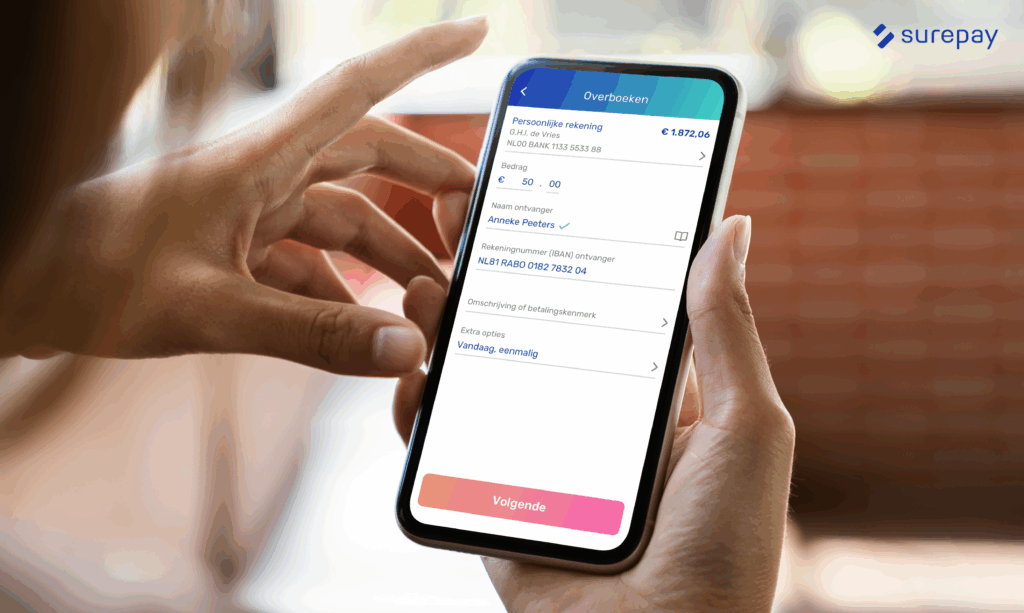
- Electronic peer-to-peer payments continue to increase, partly thanks to the convenience of request-to-pay functions via mobile apps. With just a few clicks, users can send a request-to-pay message via mobile messaging services, email, or SMS.
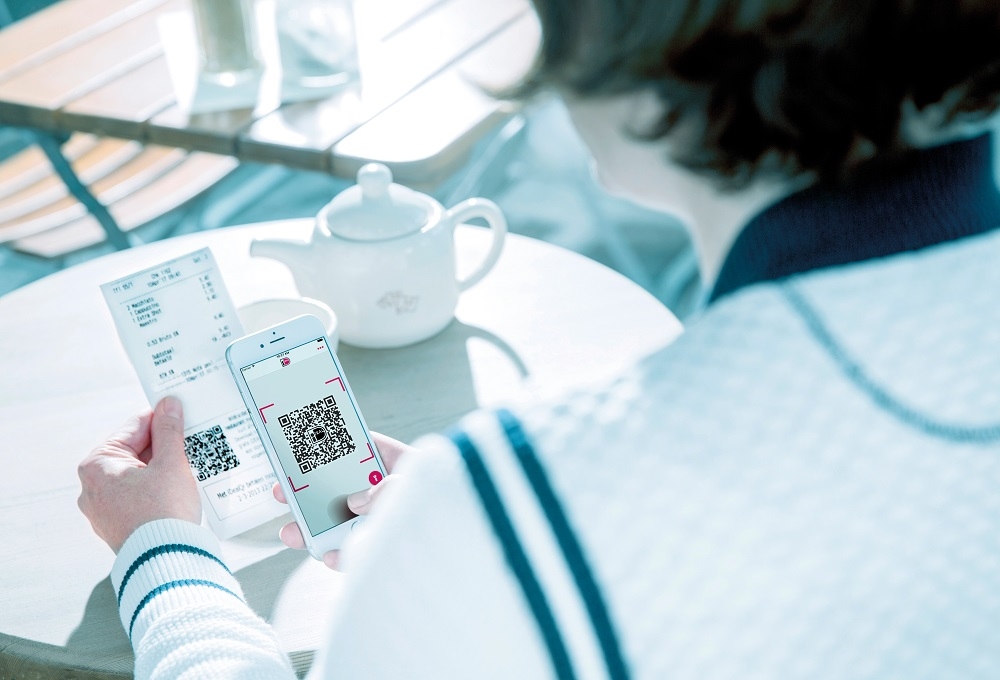
- These mobile apps also offer the option of using a QR code for easy peer-to-peer payments between people who do not know each other’s mobile number or email address.
Role of the Dutch Payments Association
The Dutch Payments Association plays an active role in monitoring and promoting reliable, easy, and efficient peer-to-peer payments. We collect and analyze (anonymous) data on the use of P2P payments, we collaborate with banks and fintechs on innovations, and we are committed to inclusion, so that everyone can make easy and reliable digital payments to each other.
Our vision for the future
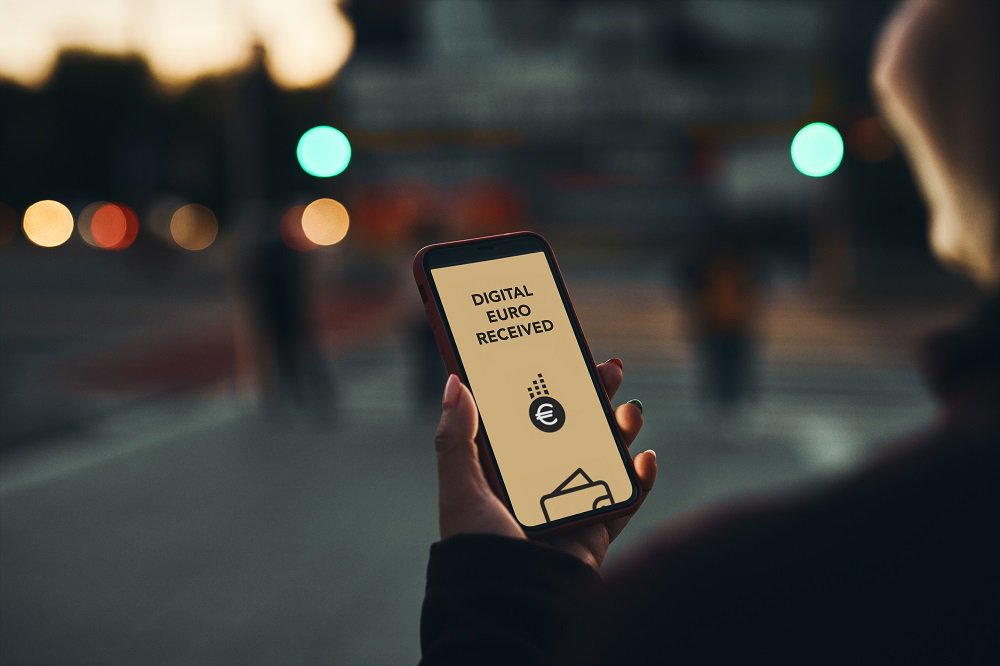
With the introduction of European regulations, such as the Instant Payments Regulation, and the further development of Wero (the successor to iDEAL) and the digital euro, the landscape of peer-to-peer payments will continue to change in the coming years. The Dutch Payments Association is monitoring these developments for its members and stakeholders with a view to ensuring accessible and future-proof peer-to-peer payments.
Facts and figures
-
608million In 2025, a total of 608 million peer-to-peer payments were made in the NetherlandsIn 2025, a total of 608 million peer-to-peer payments were made in the Netherlands
-
66% Of all peer-to-peer payments in 2025, 66% were made electronically, for example via online banking or mobile appsOf all peer-to-peer payments in 2025, 66% were made electronically, for example via online banking or mobile apps
-
€28billion The total value of all peer-to-peer payments amounted to €28 billion in 2025The total value of all peer-to-peer payments amounted to €28 billion in 2025
Latest news
-
A2A payments continue to grow
-
News
-
Online payments
The number of domestic account-to-account transfers (A2A credit transfers) has risen by 18% over the past three years, from 1.92 billion in 2022 to 2.27 billion in 2025. The number of transfers from the Netherlands to other European countries has risen by as much as 63% over the… -
A list of articles
-

High confidence in Dutch payment system
-
News
-
Card payments
-
-
Make digital euro useful, simple and affordable
-
News
-
European legislation
-
-
Elderly increasingly pay with debit card
-
News
-
Card payments
-
-
DNB presents ‘Payments Strategy’ until 2028
-
News
-
Availability and disruptions
-
Frequently asked questions
-
What is the Dutch Payments Association doing in this area?
The Dutch Payments Association promotes secure, accessible, and efficient peer-to-peer payments. We work together with banks, fintechs, and policymakers to promote innovation and ensure that everyone—regardless of age or digital skills—can participate.
-
Why do some people still use cash?
Although electronic payments are becoming increasingly popular, some people—such as the elderly or those on lower incomes—prefer to use cash. This may be due to habit, trust, or limited access to digital resources.
-
How does paying with a QR code work?
A QR code contains all payment details, such as the amount and the recipient’s IBAN. You scan the code with your banking app, check the details, and confirm the payment. This prevents input errors and speeds up the process.
-
What if I accidentally transfer the wrong amount?
If you make a mistake when making a payment, you can ask the recipient to refund the amount. Banks can mediate in some cases, but in the case of voluntary payments, recovery is not guaranteed.
-
Is it safe to pay via a request-to-pay?
Yes, as long as you use reliable apps and banking environments. Always make sure you recognize the request and check the name of the recipient. Don’t just click on links in unknown messages.
-
What types of peer-to-peer payments are there?
There are various ways to make peer-to-peer payments:
- Mobile requests-to-pay via apps such as Tikkie, Bunq, or your banking app.
- QR code payments, where you scan a code to pay immediately.
- Direct transfers via mobile or internet banking.
- Cash payments, especially for small amounts.
-
What are peer-to-peer payments?
Peer-to-peer payments are money transactions between consumers. Examples include refunding a movie ticket, splitting a restaurant bill, or transferring a contribution for a gift. These payments can be made in cash, electronically, or via a request-to-pay.
Downloads
Let's shape the future of payments together
Join the network of payment service providers working together to create a secure, reliable, accessible, and efficient payment ecosystem in the Netherlands.
- Access to up-to-date knowledge and developments in payments
- Influence on policy and standards in the Netherlands and Europe
- Representing the sector to stakeholders
- Part of the Dutch payment ecosystem