
COVID-19 boosts debit card use in 2020
COVID-19 boosted debit card use in 2020: for the first time, consumers paid by debit card more often than with cash in every sector.
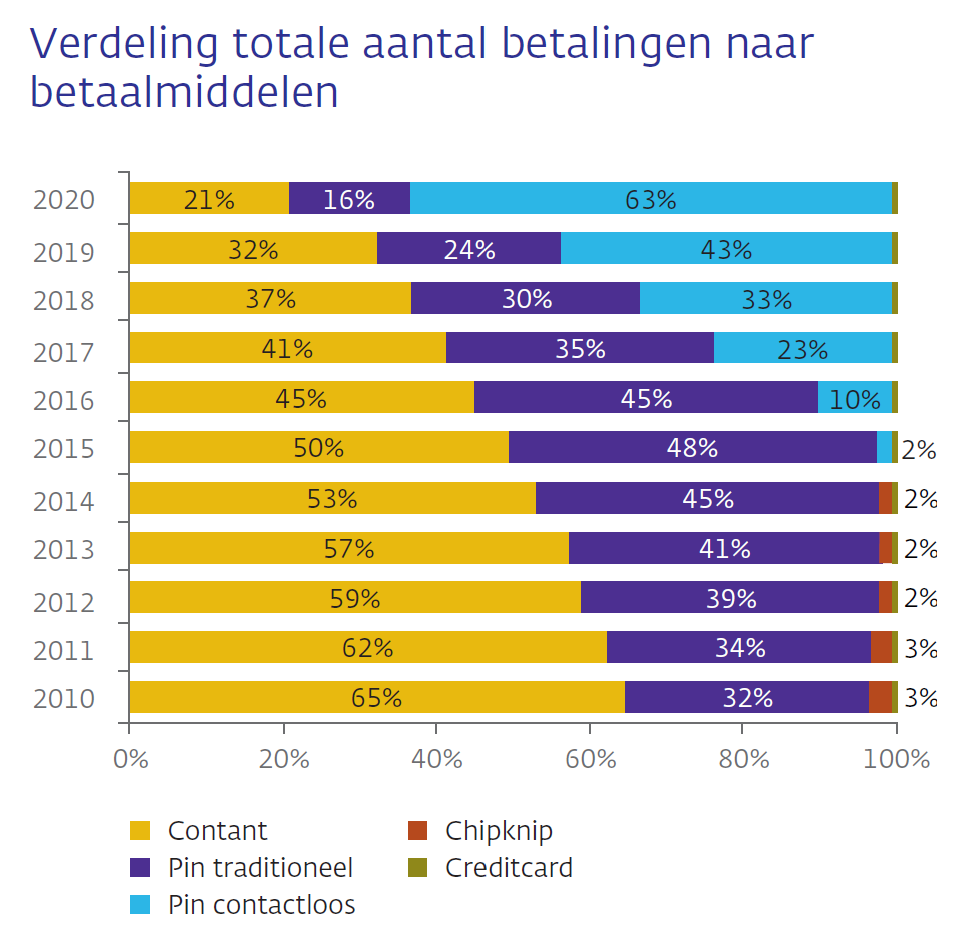
In 2020, consumers in the Netherlands paid for 79% of their purchases in shops, hospitality venues and similar locations using a debit card, smartphone or wearable. This was a substantial increase compared with 2019. As a result of these major shifts in payment behaviour, consumers paid by debit card more often than with cash in every sector for the first time in 2020. Partly because of the COVID-19 pandemic, Dutch consumers increasingly paid for purchases contactlessly. This caused not only cash use but also traditional debit card payments, in which the card is inserted into the payment terminal, to fall much more sharply than in previous years. These findings come from joint research by the Dutch Payments Association and De Nederlandsche Bank(opens in new window) .
Sharp drop in the number of cash payments at checkouts
Between 2019 and 2020, the total number of consumer payments in shops, hospitality venues, petrol stations, markets and service providers fell from more than 7.0 billion to 6.2 billion, a decrease of 12%. The average amount paid rose from €21.56 to €24.04. Consumers used cash much less often. In 2020, 1.30 billion purchases were paid for in cash, with a total value of €21 billion, compared with 2.28 billion purchases worth €32 billion in 2019. The number of debit card payments rose from 4.70 billion transactions worth €116 billion to 4.87 billion transactions worth €125 billion. Consumers now make around 80% of debit card payments contactlessly by holding their debit card or smartphone close to the payment terminal. Cash use fell particularly sharply in spring 2020, during the first lockdown, when retailers discouraged cash payments. Around one in five purchases is now paid for in cash. This is still substantially lower than before the pandemic, when consumers paid for three in ten purchases in cash.
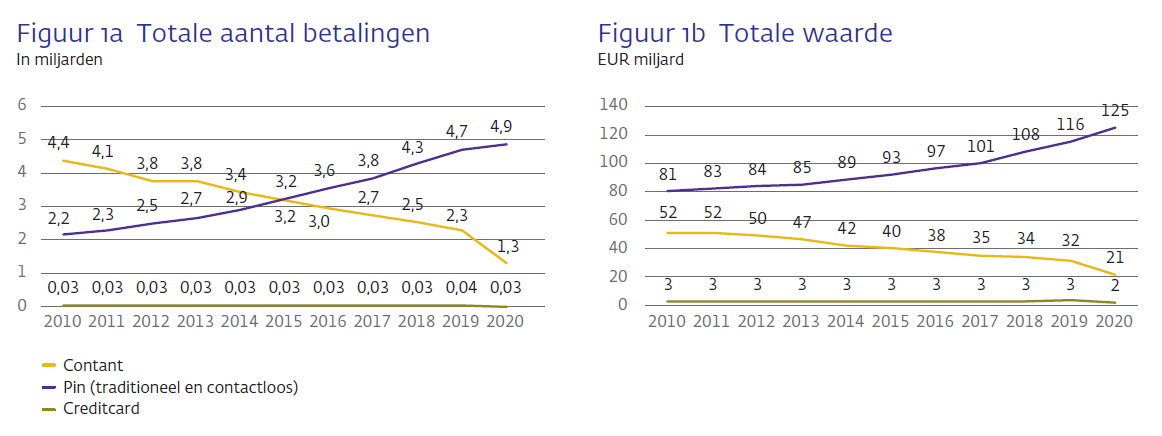
Figure 1b: Value of payments in € billions
Major shifts in payment behaviour in cash-intensive sectors
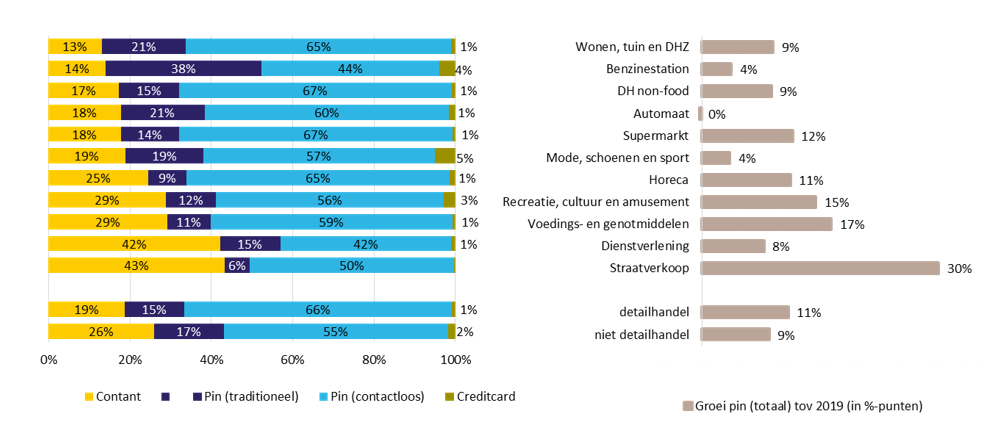
Consumer payment behaviour differs greatly by sector. In most sectors, purchases were paid for contactlessly more often in 2020, and cash and traditional debit card payments were used less often. As a result of this shift, consumers paid by debit card more often than with cash in every sector for the first time in 2020. The largest shift was seen in street vending, such as markets and chip stalls. Half of purchases in this sector were paid for contactlessly, compared with 18% in 2019. Cash use fell sharply from 74% to 43% of payments. Major shifts were also seen at specialist food shops, such as bakeries and delicatessens, and in the leisure sector. In both sectors, the share of purchases paid by debit card increased and cash use fell sharply. Consumers now pay for 29% of purchases there in cash, compared with 46% in 2019. At supermarkets, two-thirds of purchases are paid for contactlessly, compared with 47% in 2019; 18% are paid for in cash, compared with 30% in 2019; and 14% are paid for by inserting a debit card, compared with 23% in 2019. In sectors where consumers have traditionally used debit cards frequently, such as petrol stations and vending machines, shifts in payment behaviour were relatively small.
Sharp rise in electronic payments among people aged 75 and over
The rise in electronic payments last year was visible not only at checkouts but also in payments between individuals, including payments to family and friends. People of different ages often use different methods for these payments. People aged 25 to 39 pay for purchases at checkouts electronically most often (85%), while those aged 19 to 24 use electronic methods most often for payments between individuals (76%), for example through Tikkie, a payment request or a bank transfer in a mobile banking app. People aged 75 and over use electronic payments least often, but their use increased substantially compared with 2019. They paid for two in three purchases at checkouts by debit card, compared with 43% of their purchases in 2019. They mainly use cash for payments between individuals, such as pocket money for grandchildren, but electronic payment methods are gaining ground here as well. People aged 75 and over used online or mobile banking for 34% of their payments to other individuals, compared with 13% in 2019.
COVID-19 pandemic contributes to growth in electronic payments in 2020
In addition to the digitalisation that has been under way for some time, the COVID-19 pandemic contributed to the rise in contactless payments. Encouraged by retailers, consumers paid contactlessly more often to avoid transmission of the virus through contact with payment terminals or when handing over cash. However, according to the Dutch National Institute for Public Health and the Environment, the risk of infection from touching products or surfaces, including cash, is very small. Banks made contactless payments easier by temporarily raising limits so that consumers needed to enter their PIN less often.
All findings from the joint study by De Nederlandsche Bank and the Dutch Payments Association on the use of cash and electronic payment methods in the Netherlands for point-of-sale payments and payments between individuals in 2020 are available in the factsheet below.
Read the full factsheet:
Related articles
-
A2A payments continue to grow
-
News
-
Online payments
-
-
Dutch abroad pay most with cards in Spanish hospitality
-
News
-
Card payments
-
-
Tackling ATM attacks with ink, glue and synthetic DNA
-
News
-
Cash payments
-
-

High confidence in Dutch payment system
-
News
-
Card payments
-
-
Make digital euro useful, simple and affordable
-
News
-
European legislation
-
-
Cash accepted at 96% of points of sale
-
News
-
Cash payments
-