
Card payments
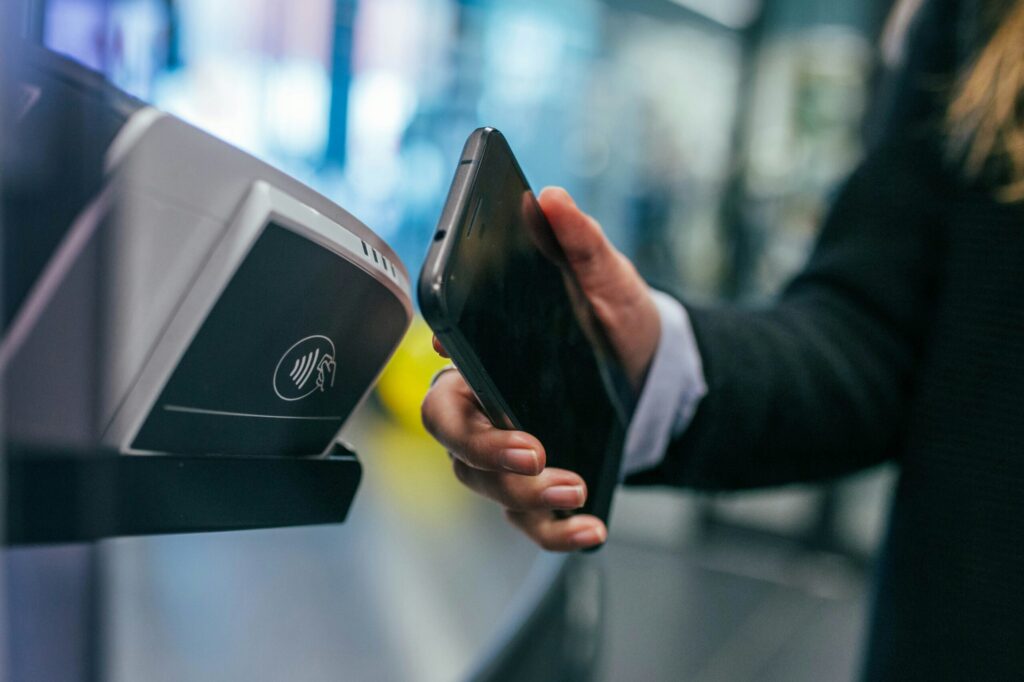
About 80% of all payments at the counter are made with a debit card, whether digital on a mobile phone or not. The remaining 20% are cash. Card payments in the Netherlands are made almost exclusively with debit cards (bank cards); less than 0.5% are made with credit cards.
With the introduction of contactless payments, cardholders have become accustomed to even faster secure payments at POS terminals, usually without a PIN code and increasingly using a digital debit card on a smartphone. Card refunds – for returning a recent purchase – are now also widely used.
A recent development is travelling by debit card on public transport. Dutch and foreign tourists can use their debit or credit card to check in and out without first buying a ticket and without a separate OV-chip card.
Recent developments in society
Developments in card payments are happening fast:
- Mobile payments are growing rapidly. More and more consumers are using their smartphones or smartwatches to pay, via Apple Pay or Google Pay.
- New debit cards enable worldwide use and online payments, thanks to the international card schemes Debit Mastercard and Visa Debit.
- The availability of card payments remains a point of attention. In the event of a card payment failure, it must still be possible to make payments, for example through digital digital fallback options.
Role of the Dutch Payments Association
The Dutch Payments Association works with its members and partners to ensure reliable, accessible, secure, and affordable payments. In doing so, we focus on:
- Guaranteeing the reliability and security of debit card payments;
- Promoting the accessibility of debit card payments so that everyone can use them; Strengthening continuity, for example with deferred debit card payments in the event of disruptions.
Our vision for the future
- Debit card payments remain dominant. Debit card payments will remain the most commonly used payment method at the point-of-sale for the time being, followed by cash.
- Tap-to-pay and mobile payments will continue to grow, especially via smartphones and smartwatches.
- Resilience in the event of disruptions is becoming more important. There is a growing focus on (digital) emergency solutions so that we can continue to make payments in the event of a disruption.
- New forms of payment such as Wero and the digital euro may further supplement retail payments in the long term.
Facts and figures
-
5.83billion In 2025, debit cards have been used to make 5.83 billion payments in the NetherlandsIn 2025, debit cards have been used to make 5.83 billion payments in the Netherlands
-
95% In 2025, more than 95% of all Dutch debit card payments were contactlessIn 2025, more than 95% of all Dutch debit card payments were contactless
-
In 2025, 6 out of 10 consumers said they preferred to pay with a mobile phone or smartwatchIn 2025, 6 out of 10 consumers said they preferred to pay with a mobile phone or smartwatch
Latest news
-

René Steenbeke nominated by EPC to the EPSG Cryptography Task Force
-
Association news
-
Standards in payment transactions
This Task Force develops scenarios for the migration to new cryptographic standards for payments that are resistant to the threat posed by quantum computers. -
A list of articles
-
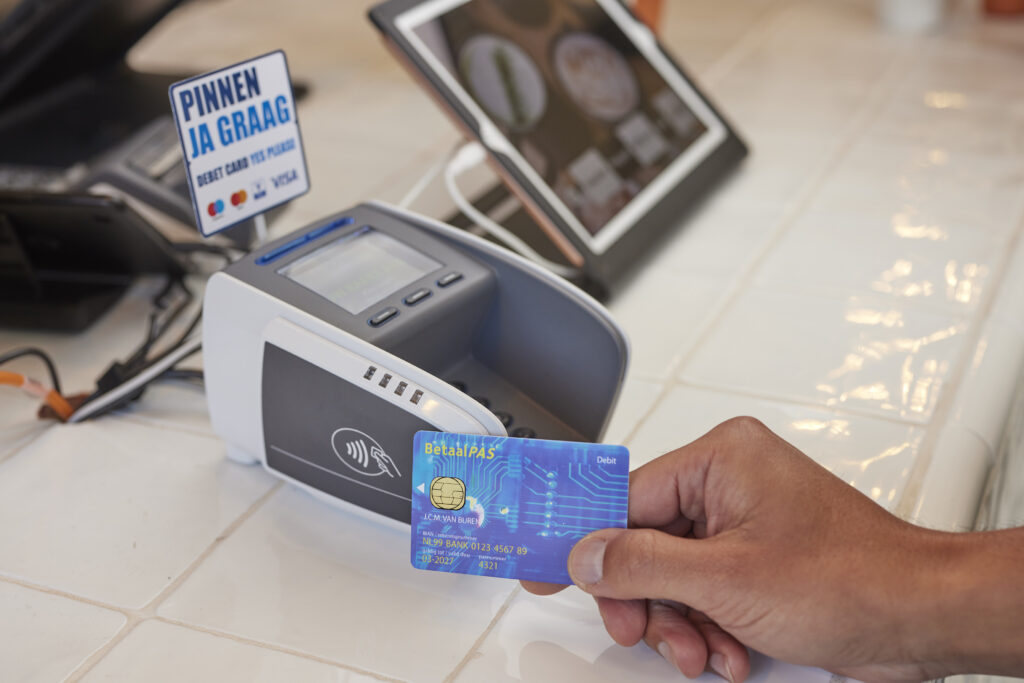
DNB payment figures available for 2025
-
News
-
Account-to-Account payments
-
-

Cardless card payments overtake payments wíth cards
-
News
-
Card payments
-
-
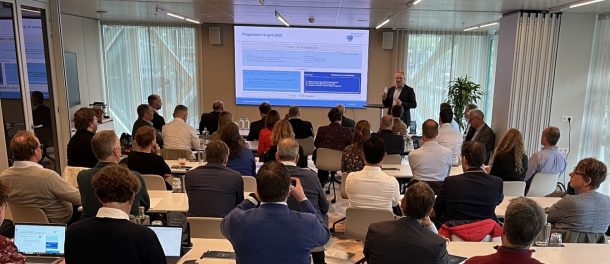
Stakeholder Forum looks (far) ahead
-
News
-
European legislation
-
-
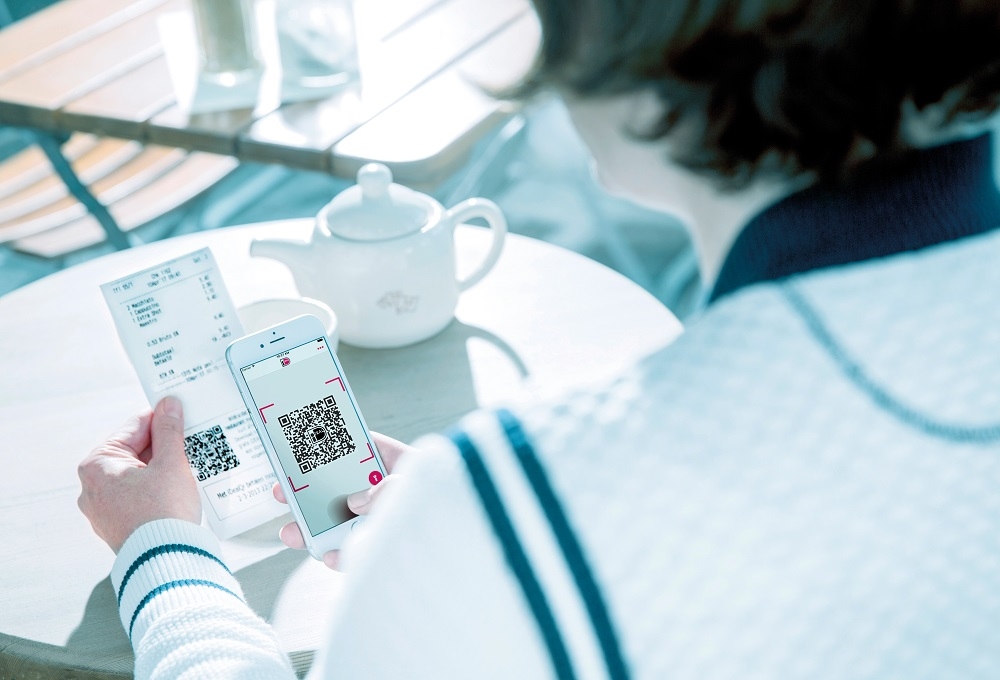
DNB presents ‘Payments Strategy’ until 2028
-
News
-
Availability and disruptions
-
Frequently asked questions
-
What is tap-to-pay?
Tap-to-pay is a quick and easy way to pay by briefly holding your debit card, credit card, mobile phone, or smartwatch close to the payment terminal at the counter. If you pay tap-to-pay with a physical card, you usually don’t need a PIN code for amounts up to €50; for amounts above €50, you always have to enter your PIN code.
Downloads
Let's shape the future of payments together
Join the network of payment service providers working together to create a secure, reliable, accessible, and efficient payment ecosystem in the Netherlands.
- Access to up-to-date knowledge and developments in payments
- Influence on policy and standards in the Netherlands and Europe
- Representing the sector to stakeholders
- Part of the Dutch payment ecosystem