
Security tips are well known but not always followed
People in the Netherlands give the security of electronic banking and payments an average score of 7.8 out of 10. This is the finding of research commissioned by the Dutch Payments Association among 1,200 respondents aged 16 to 74 (in Dutch). Nine out of ten respondents rate the security of their digital banking as satisfactory or better. Measures that people can take themselves to prevent fraud are generally well known, but are not always followed.
Little concern about risks
Almost two-thirds of people in the Netherlands estimated the likelihood of becoming a victim of electronic banking or payment fraud themselves that year at less than 50%. Only five per cent of respondents think their bank should take more or better measures to prevent fraud. One in ten would like more information about secure banking and payments.
Familiar with common types of fraud…
A large majority of respondents say they are familiar with common types of fraud such as phishing, malware, invoice fraud and shoulder surfing. They also know various measures for preventing these types of fraud.
…but do not always act accordingly
Knowing about measures is the first step; taking them is the next. Respondents fall short on the latter. Almost everyone says they know what phishing is, but only two out of three check the sender addresses of emails. More than one in ten people in the Netherlands say they sometimes lend someone their debit card together with its PIN. More than a third say they do not regularly update software on their computer, such as web browsers.
Misconceptions about contactless payments
A quarter of people in the Netherlands believe the risk of fraud involving debit card payments and debit cards is the highest. Around 15% are genuinely concerned about this. Contactless payments arouse the most suspicion: one-third say they are worried about them. This suspicion appears to be fuelled mainly by myths about ‘contactless pickpocketing’. In reality, contactless pickpocketing has never occurred in the Netherlands. Contactless payments also give criminals fewer opportunities to observe someone entering their PIN.
Little awareness of new threats
As part of the Alert Online campaign, the National Coordinator for Security and Counterterrorism (NCTV) conducted extensive research into cybersecurity awareness and skills among people in the Netherlands. The research found that many have a blind spot for new digital threats, such as unsecured Wi-Fi networks, juice jacking and keyloggers (Alert Online cybersecurity research, in Dutch(opens in new window) ). The Dutch Payments Association’s research (in Dutch) confirms these findings. Only half or fewer of the respondents say they avoid public Wi-Fi networks or check the reliability of unfamiliar websites.
Recommendations
Consumers can greatly reduce the likelihood of becoming victims of fraud by following several basic security rules (Veilig Bankieren, in Dutch(opens in new window) ). In response to the research, banks emphasise the importance of putting these rules into practice.
Related articles
-

The Payments Association at GDC26: digital identity and payments
-
News
-
Digital identity
-
-

Industry organisations: involve the financial sector in the roll-out of digital wallets
-
News
-
Digital identity
-
-
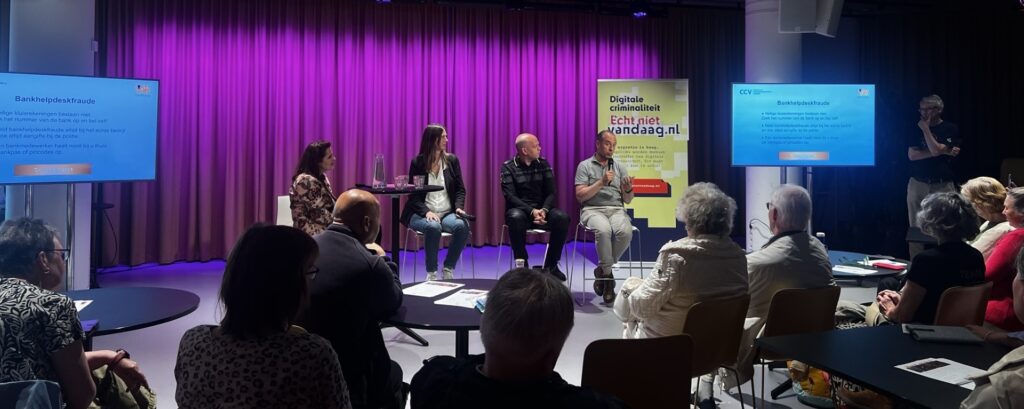
Digital Resilience and AI
-
News
-
Digital identity
-
-
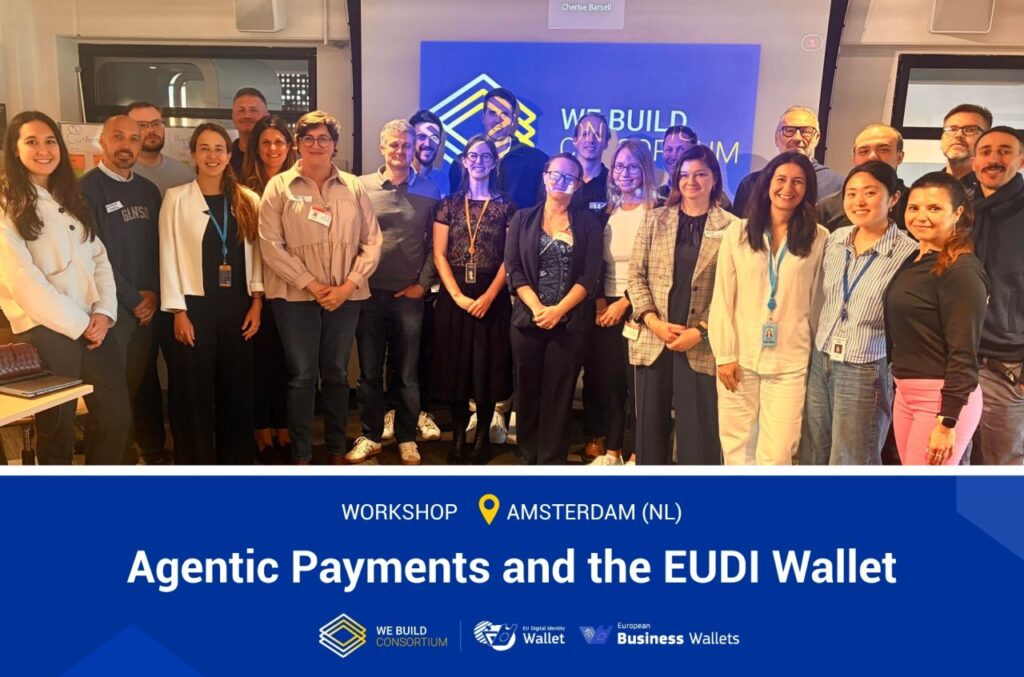
Workshop on agentic payments and the EUDI Wallet
-
News
-
Digital identity
-
-
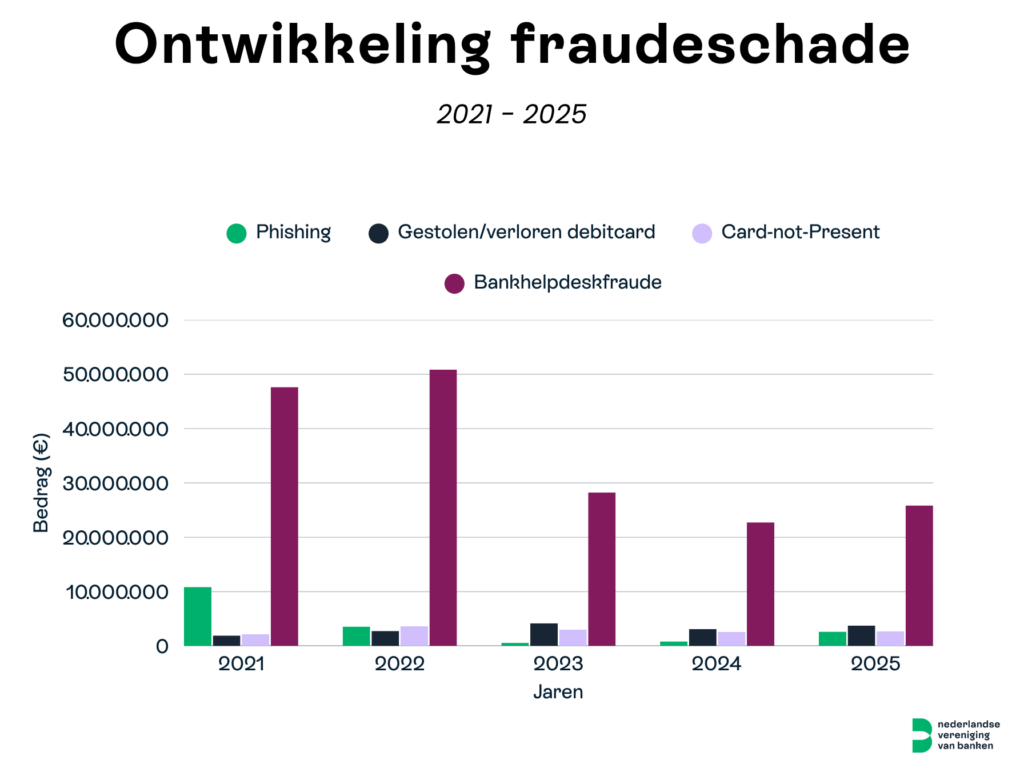
Banks are calling out social media platforms for their role in fraud and scams
-
News
-
Online payments
-
-
A2A payments continue to grow
-
News
-
Online payments
-