
Payments newsletter: Betaaljournaal 11
First of all, I hope you all had a good summer and were able to spend it in good health with your loved ones, whether in the Netherlands or abroad, despite COVID-19 and the disappointing weather, or wildfires and floods. Please hang in there a little longer, wash your hands and keep your distance. Fortunately, there is light at the end of the COVID-19 tunnel. It appears that we will be able to meet in person more often again, and I look forward to that. Perhaps we will see each other soon at a meeting, Money20/20, Euroforum or our Annual Conference on 18 November. We are awaiting the government’s advice, but remain hopeful. In this late-summer edition of Betaaljournaal, we highlight several recent activities. Read about the revamped Current Account Switch Service, our members’ accessibility initiatives and warnings about spoofing and WhatsApp fraud.
Gijs Boudewijn, Acting Managing Director
In this edition:
- Current Account Switch Service revamped
- Update: payment segmentation study
- Payments for all
- Inserting a card to pay is a thing of the past
- Netherlands as a benchmark
- Bank helpdesk impersonation fraud and WhatsApp fraud remain widespread
- Study of digital fallback alternatives for debit card payments
- Figures
- Agenda
- More events and activities
Current Account Switch Service revamped
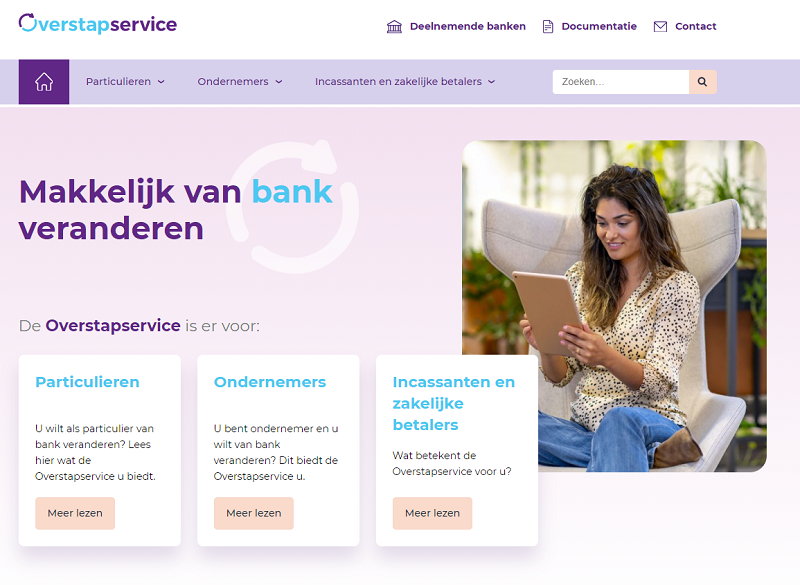
Overstapservice.nl(opens in new window) has had a makeover. The website has a fresh new visual identity and meets all current online requirements for responsiveness, speed and navigation. The Current Account Switch Service itself was also updated last year and new features were added. The most important is ‘Payer Information at Initiation (BIBI)(opens in new window) ’. This means that banks inform payers and direct debit collectors of the new payment account whenever a payment or direct debit is made to an old payment account. They can then update the address book held by their bank or their own records. All major consumer banks have now implemented BIBI in their apps and online banking environments. Customers therefore hardly ever need to inform payers and direct debit collectors themselves. The BIBI adjustment for batch payments will be implemented in the coming period.
Update: payment segmentation study
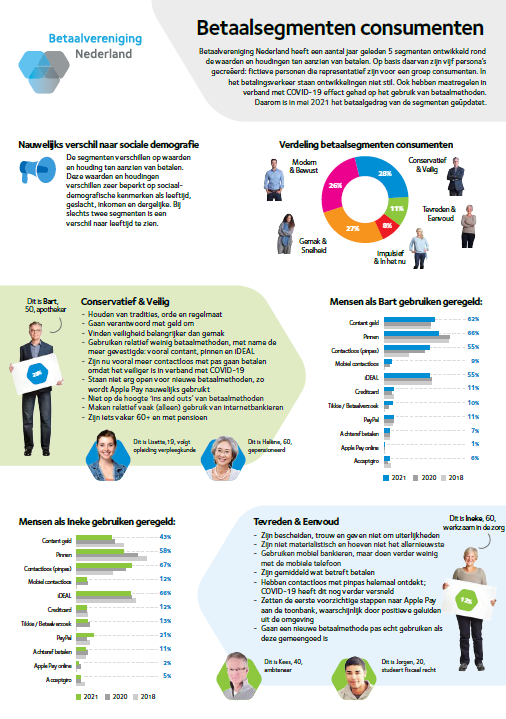
Why do some consumers use certain payment methods while others do not, or do not yet? Several years ago, the Dutch Payments Association developed five segments based on people’s values and attitudes towards payments. Each segment represents a group of consumers. Developments in payments never stand still, so new research was carried out to update the segments. View the infographic for an updated overview of the segments and the key findings.
Payments for all
Accessible payments mean payments for everyone. Banks therefore make digital banking as user-friendly as possible for all customers. As a result, more and more customers use online banking, mobile banking apps and electronic payments at checkouts. Banks naturally also pay attention to people in vulnerable situations. To support them, banks offer adapted products, specially trained care advisers, a wide range of courses, video banking and mobile advisers. Banks also work closely with local initiatives run by various institutions and organisations, including libraries, SeniorWeb(opens in new window) , charities and neighbourhood associations. We will report on these initiatives more frequently in the run-up to Accessibility Week from 4 to 8 October. A selection of banks’ accessibility activities is already available on our website.
Inserting a card to pay is a thing of the past

More debit card payments are now made at checkouts without a physical card—using a smartphone, smartwatch or wearable—than by inserting a debit card into the payment terminal. The growing success of contactless payments with smartphones and smartwatches appears to be driven mainly by the introduction of Apple Pay for iPhones and Google Pay for Android devices. Read more…
Netherlands as a benchmark
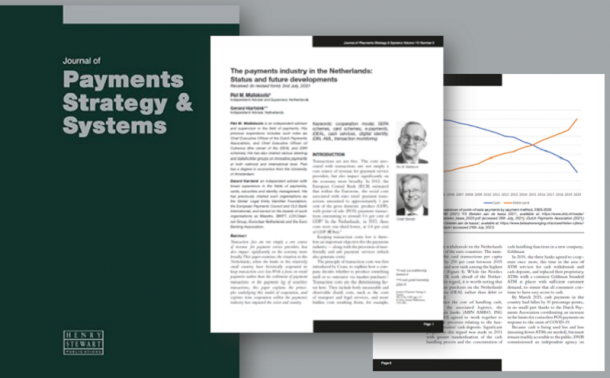
The Journal of Payments Strategy & Systems(opens in new window) will soon publish an article written by Piet Mallekoote, former Managing Director of the Dutch Payments Association, and Gerard Hartsink, a standardisation expert and editor of the journal. It is the first in a series of articles on payments in the twenty Financial Stability Board (FSB) countries. Piet supplemented his article in Alledaags en Academisch with current information on payment fraud, Geldmaat(opens in new window) and Transaction Monitoring Netherlands(opens in new window) . Gerard examines various developments in standardisation. We will publish a link to the article in the next newsletter.
A list of articles
-
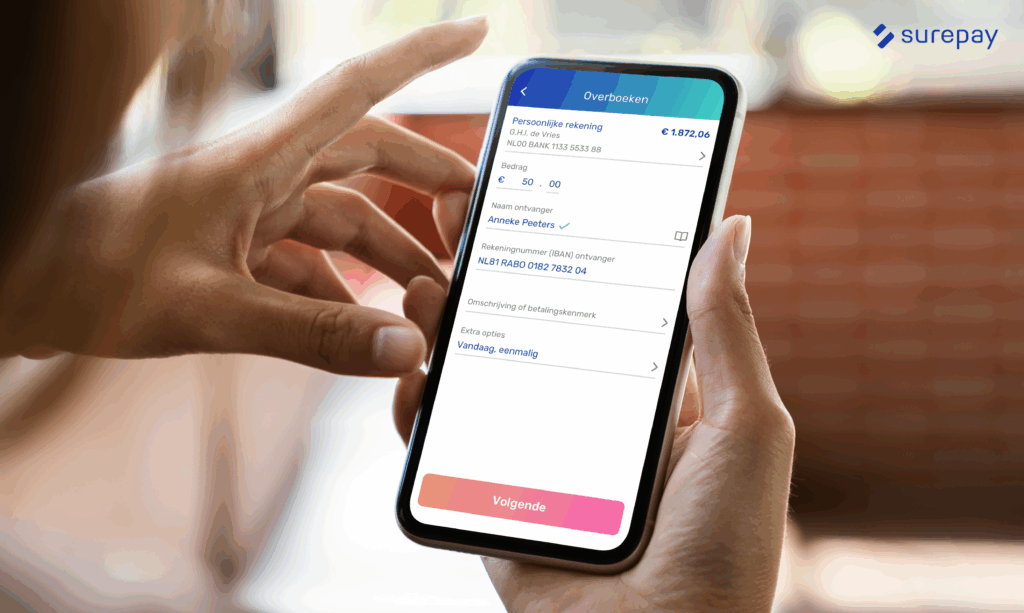
A2A payments continue to grow
-
News
-
Online payments
-
-
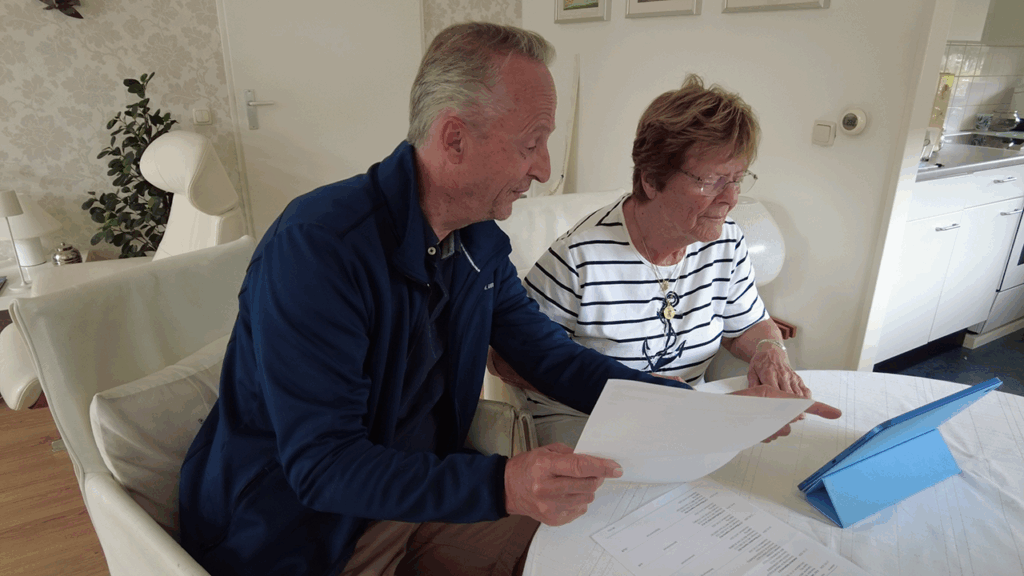
Your bank is always nearby!
-
News
-
Payments for all
-
-
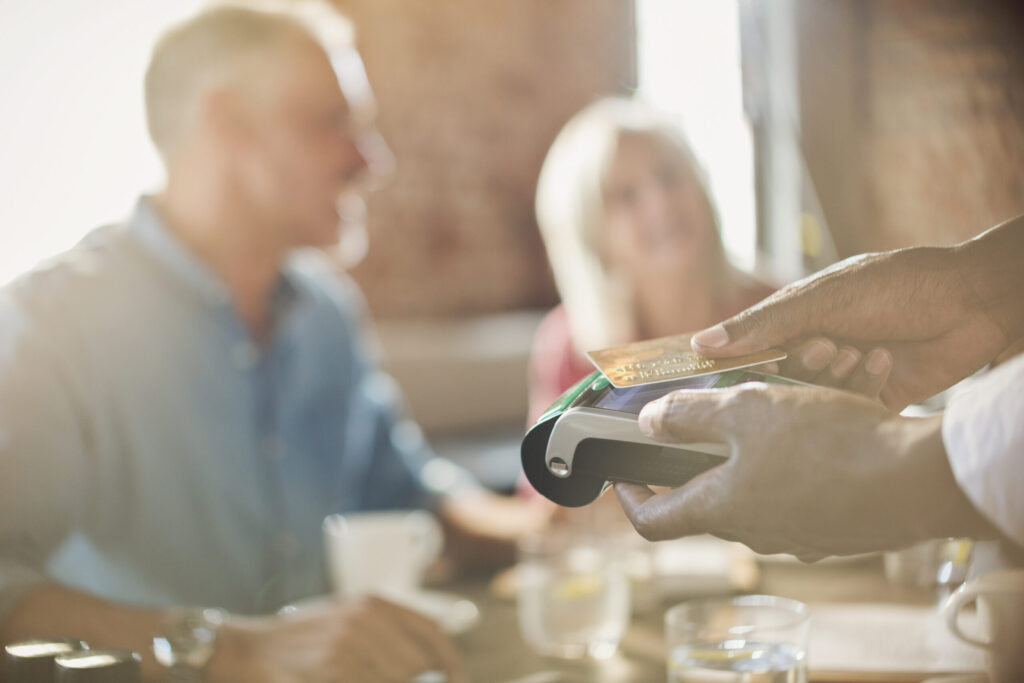
Dutch abroad pay most with cards in Spanish hospitality
-
News
-
Card payments
-
Related articles
-
Dutch abroad pay most with cards in Spanish hospitality
-
News
-
Card payments
-
-
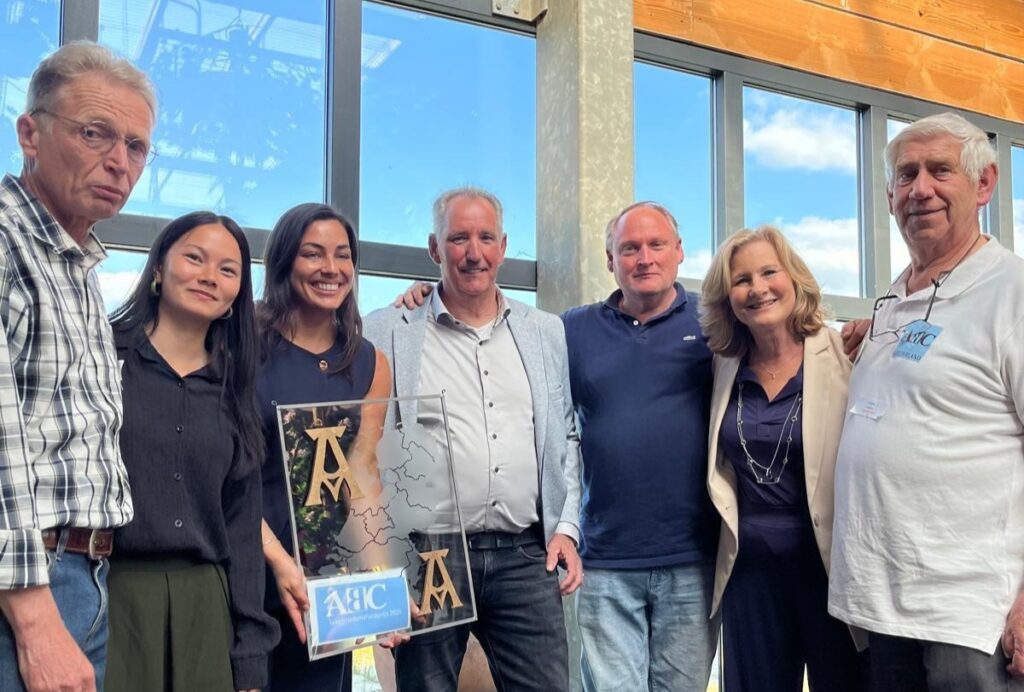
Accessible Banking Wins the ABC Trophy
-
News
-
Payments for all
-
-
Make digital euro useful, simple and affordable
-
News
-
European legislation
-
-
Growing number of people are satisfied with handling their daily banking affairs
-
News
-
Payments for all
-
-
Grand Opening of Renovated Office Celebrated
-
News
-
-
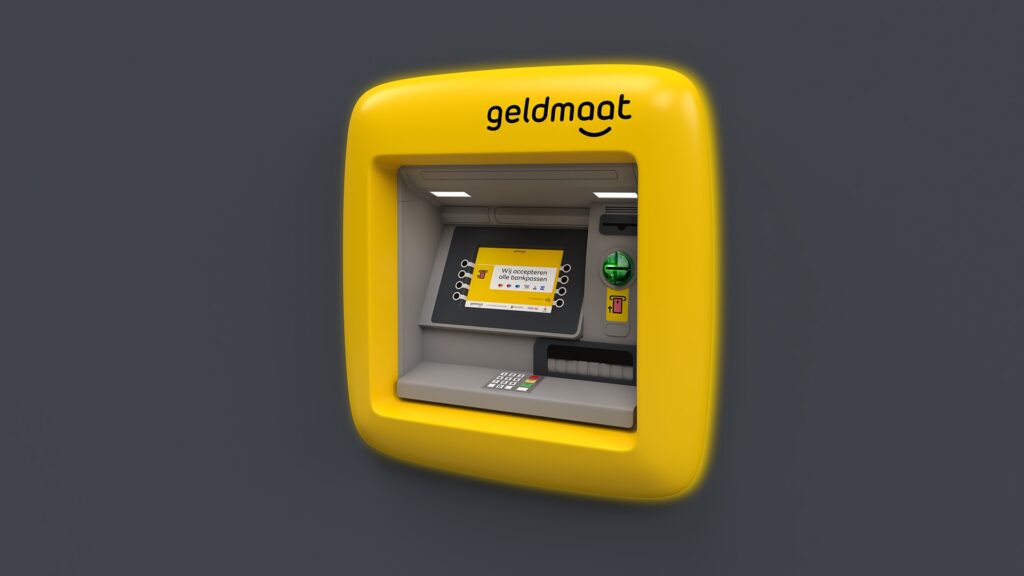
Trial with €100 banknotes at Geldmaat
-
News
-
Cash payments
-