
Less frequent PIN entry for contactless debit card payments
With immediate effect, banks are ensuring that customers need to enter their PIN on payment terminals less often when making contactless payments with a debit card.
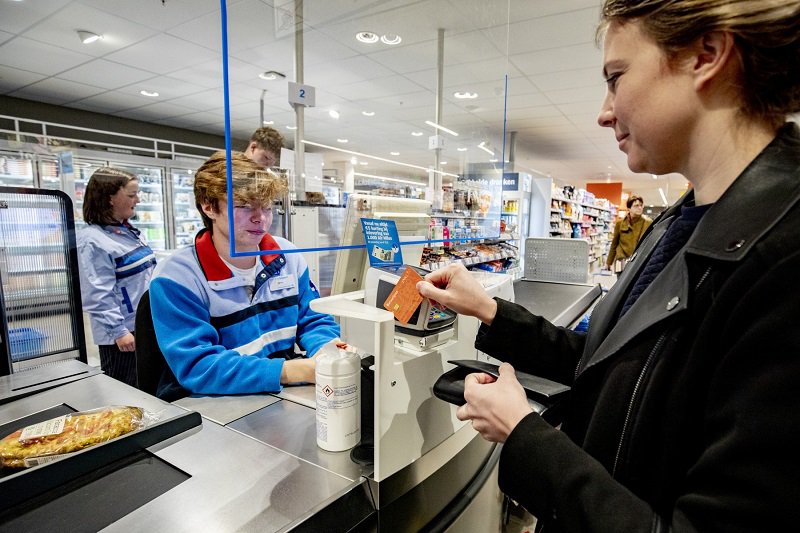
For small contactless payments of up to €25, customers in shops will hardly need to touch the payment terminal at all. Banks are taking this initiative for as long as special measures are needed to contain the spread of the novel coronavirus.
Cumulative limit
The cumulative limit for contactless debit card payments is being raised from €50 to €100. When making a contactless payment of up to €25, cardholders previously still had to insert their debit card into the terminal and enter their PIN regularly. This will now hardly ever be necessary.
Contactless
“We are calling on customers at supermarkets and other shops to pay contactlessly as much as possible,” says René Roorda, Managing Director of the Dutch Food Retail Association(opens in new window) . “We are therefore pleased with this swift initiative by the banks. It is in the interests of both our customers and our employees.”
Protected against misuse
Cees van Tiggelen, a representative of several organisations for older people, also supports the increase: “The easier it is for older people to pay contactlessly at the point of sale in these circumstances, the better. Bank customers remain well protected against misuse of contactless debit cards, so this is no obstacle to paying contactlessly.”
For the time being, cardholders will still need to enter their PIN for contactless debit card payments above €25.
Beware of scammers
Consumers and retailers do not need to do anything at all for this increase in the cumulative contactless payment limit. It will be introduced fully automatically for all existing debit cards and payment terminals. Banks will therefore not send unsolicited messages or call their customers about it. Do not be deceived by scammers and fraudsters exploiting the circumstances surrounding the novel coronavirus (COVID-19) to send fraudulent emails, text messages and letters (in Dutch)(opens in new window) or call people.
Related articles
-
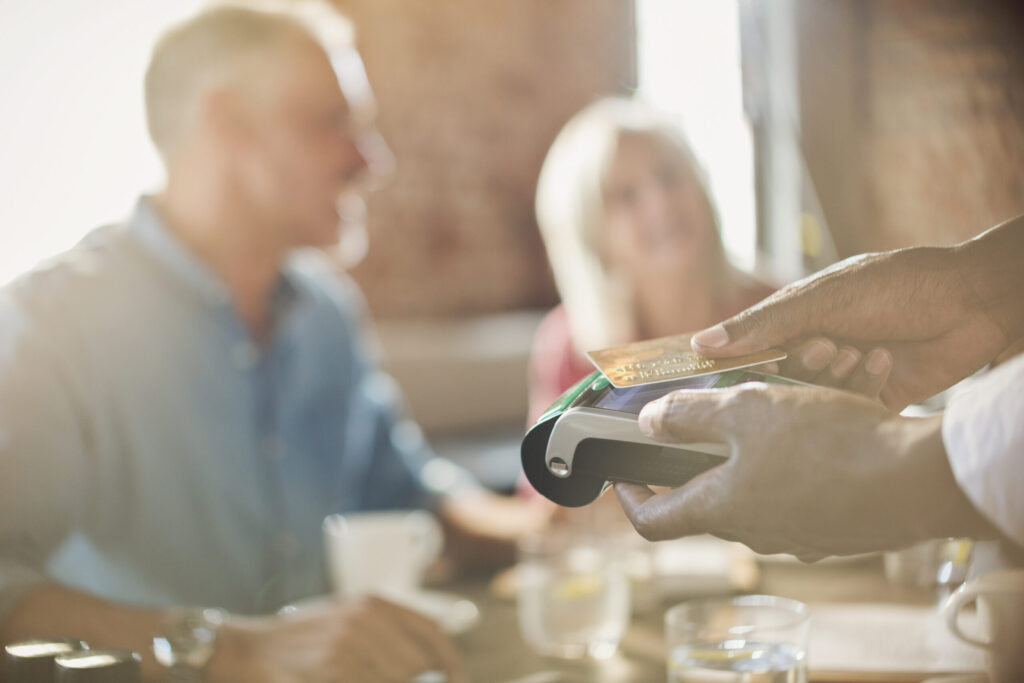
Dutch abroad pay most with cards in Spanish hospitality
-
News
-
Card payments
-
-

High confidence in Dutch payment system
-
News
-
Card payments
-
-
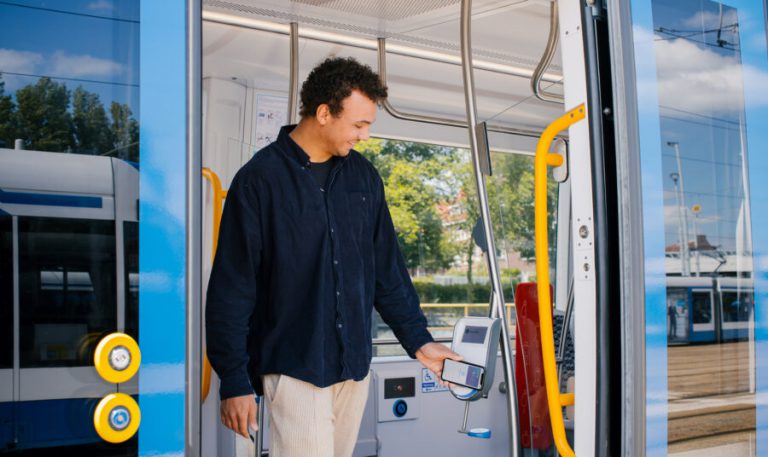
Checking In and Out on Public Transportation Is Now Even Smoother with Your Smartphone
-
News
-
Card payments
-
-
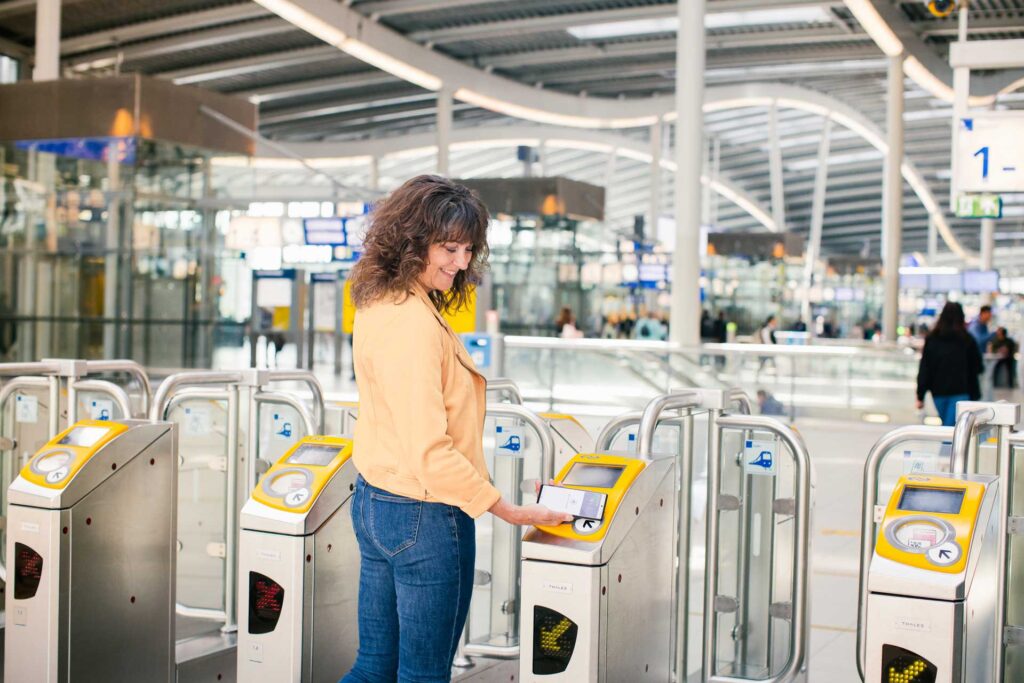
More travelers very satisfied about traveling with payment card
-
Press release
-
Card payments
-
-

Six out of ten retail business owners say they are prepared for card payments failures
-
News
-
Card payments
-
-
Make sure you have (digital) fallback options in case of a potential card payments failure!
-
News
-
Card payments
-