
Dutch Payments Association further develops its societal role
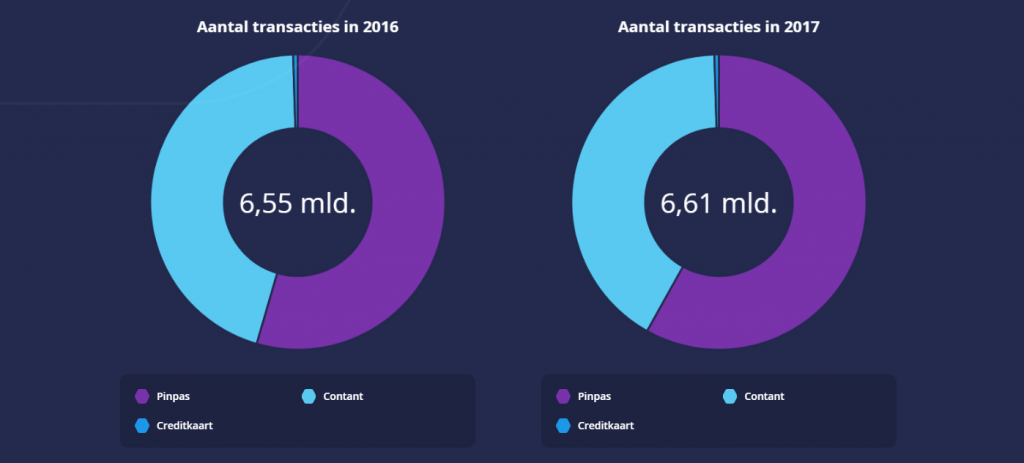
For the Dutch Payments Association and its members, 2017 was largely dominated by PSD2. Behind the scenes, work also continued on the introduction of Instant Payments in 2019 and the market launch of iDIN. With the appointment of former DNB Executive Board member Lex Hoogduin as its new Chair, the association and its members look with confidence to the years ahead and to the growing pace of change and societal challenges in payments. This is outlined in the 2017 annual report. Alongside the annual report, an online factsheet has been published with the key figures for payments in 2017 .
Safe, reliable and efficient
The Dutch Payments Association is a membership organisation of payment service providers that works to ensure safe, reliable and efficient collective payments. In doing so, it expressly takes account of the interests of stakeholders on the demand side of payments.
Stakeholders can provide advice both when asked and on their own initiative. Among other priorities, they attach importance to effective fraud prevention and the accessibility of payment methods, including for older people and other vulnerable groups. In 2017, the Dutch Payments Association provided information about safe electronic payments and banking (in Dutch) , offered real-time insight into the availability of internet and mobile banking, and monitored the distance between ATMs and the public.
Instant Payments meet bank customers’ wish to have payment balances available even faster, including at night, at weekends and on public holidays. The planned introduction of these fast payments in 2019 is fully on schedule.
Rapid digitisation and growing dynamism
The Dutch government will soon implement the revised European Payment Services Directive (PSD2) , as several other EU Member States have already done. PSD2 will also give new, non-bank providers access to bank customers’ payment accounts, with the aim of fostering innovation and competition in payments.
The Dutch Payments Association is working to raise awareness of societal responsibility among both new challengers and established providers, for example with regard to customer privacy and the effective protection of personal and transaction data.
A shared awareness of this societal responsibility will help safety, reliability and efficiency in payments keep pace with the payment market’s growing dynamism and digitisation. Under the Dutch Payments Association’s coordination, banks are simplifying and improving the Switching Service, while working closely with stakeholders to develop smarter alternatives to the paper Acceptgiro.
Growing importance of collective coordination
The rapid pace of technological development and increasing diversity of providers make independent coordination of complex payment chains ever more important. The Dutch Payments Association wants to open its doors to new service providers, whether as members or stakeholders. Around ten non-bank fintech payment institutions are already members of the association. The Dutch Payments Association can also help these fintechs correctly interpret and responsibly apply new European legislation such as PSD2 and the General Data Protection Regulation (GDPR).
By appointing Lex Hoogduin (in Dutch) as its new Chair, the Dutch Payments Association underlines its connecting role and societal relevance. Lex Hoogduin previously served as an Executive Board member at DNB and as Chair of the National Forum on the Payment System. He is now, among other roles, a professor in Groningen.
Related articles
-
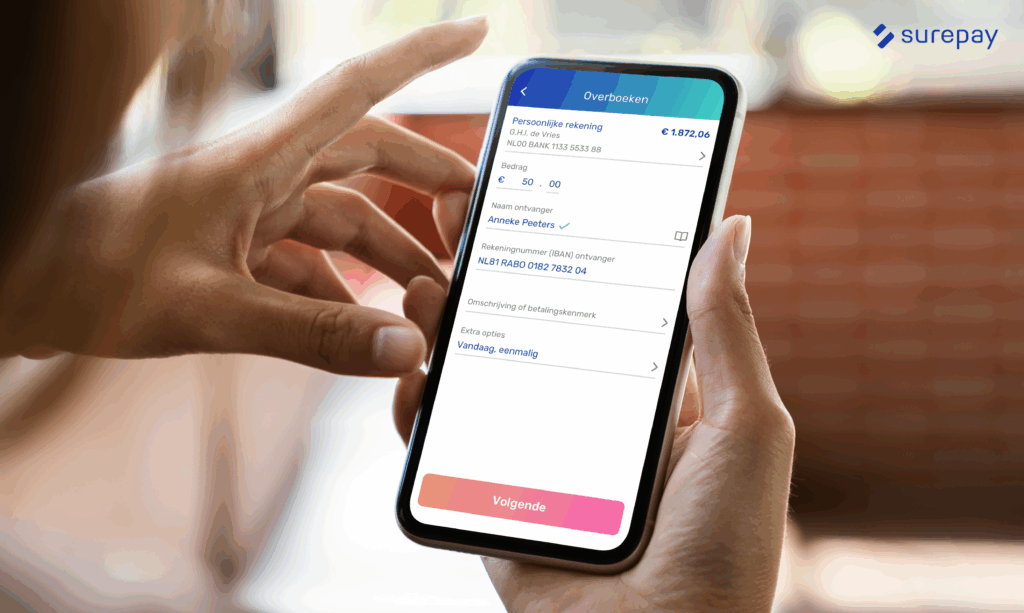
A2A payments continue to grow
-
News
-
Online payments
-
-
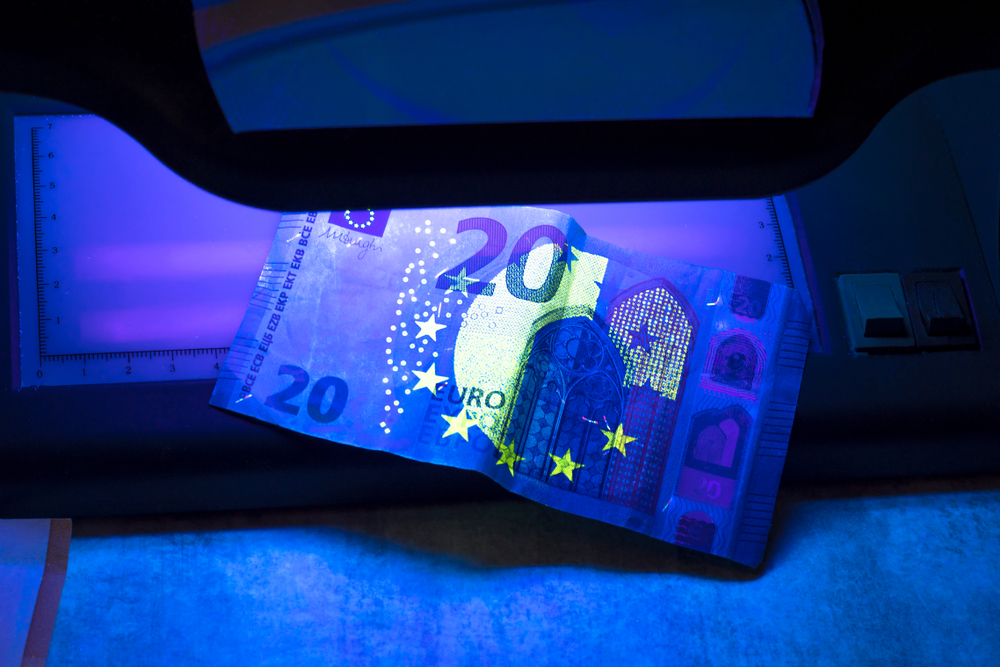
Tackling ATM attacks with ink, glue and synthetic DNA
-
News
-
Cash payments
-
-

High confidence in Dutch payment system
-
News
-
Card payments
-
-
Make digital euro useful, simple and affordable
-
News
-
European legislation
-
-
Cash accepted at 96% of points of sale
-
News
-
Cash payments
-
-
EU trilogue on the digital euro begins
-
News
-
European legislation
-