
Final report: use of digital fallback options
Electronic payments account for a large share of point-of-sale payments in the Netherlands: four out of five payments are debit card payments. Although all parties involved in processing these payments work together to ensure that consumers and retailers can rely on debit card payments at the checkout, debit card outages do occasionally occur.
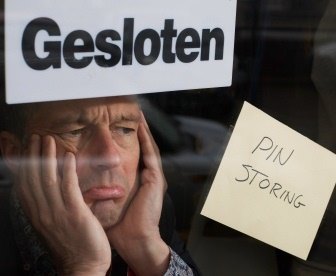
To gain a better understanding of the extent to which retailers are affected by debit card outages , a telephone survey was conducted over the summer among more than 450 retail branches. The survey asked what measures they had taken themselves to prevent outages and what they do if a customer does not have cash with them when an outage occurs. The survey shows that the number of debit card payment outages experienced by businesses each year is limited. Thirty-eight per cent of respondents said they never experience an outage. The main causes cited were interruptions to internet or telecoms connections and payment terminal malfunctions.
Key fallback options
Although many business owners still regard cash as an important fallback option, smaller businesses in particular are already using alternatives such as bank transfers or payment requests. In practice, these solutions are less suitable for large-scale retailers such as supermarkets. Few alternatives are currently available to this group. The ‘Digital fallback options for the debit card infrastructure’ project aims to ensure that these business owners also have access to adequate fallback options alongside cash. Read the report.
Related articles
-
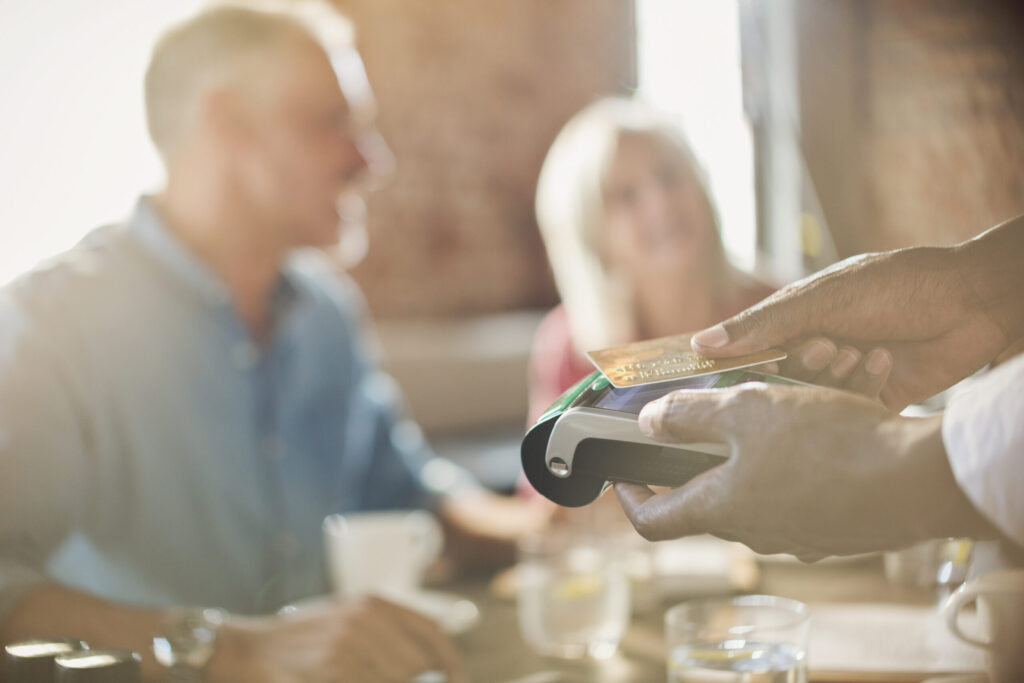
Dutch abroad pay most with cards in Spanish hospitality
-
News
-
Card payments
-
-

High confidence in Dutch payment system
-
News
-
Card payments
-
-
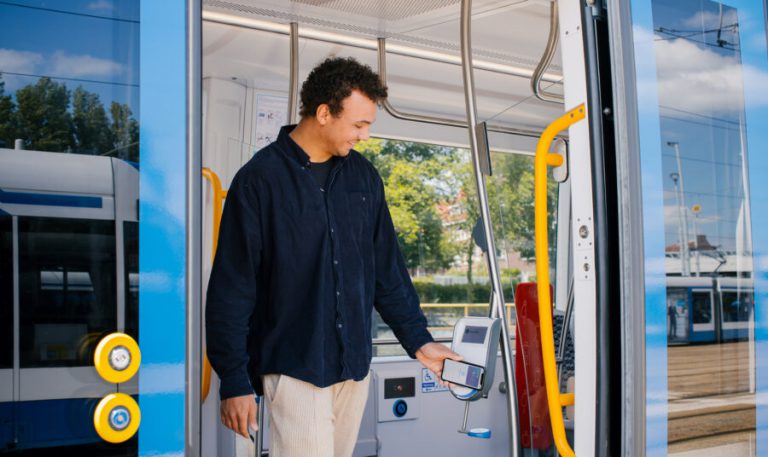
Checking In and Out on Public Transportation Is Now Even Smoother with Your Smartphone
-
News
-
Card payments
-
-
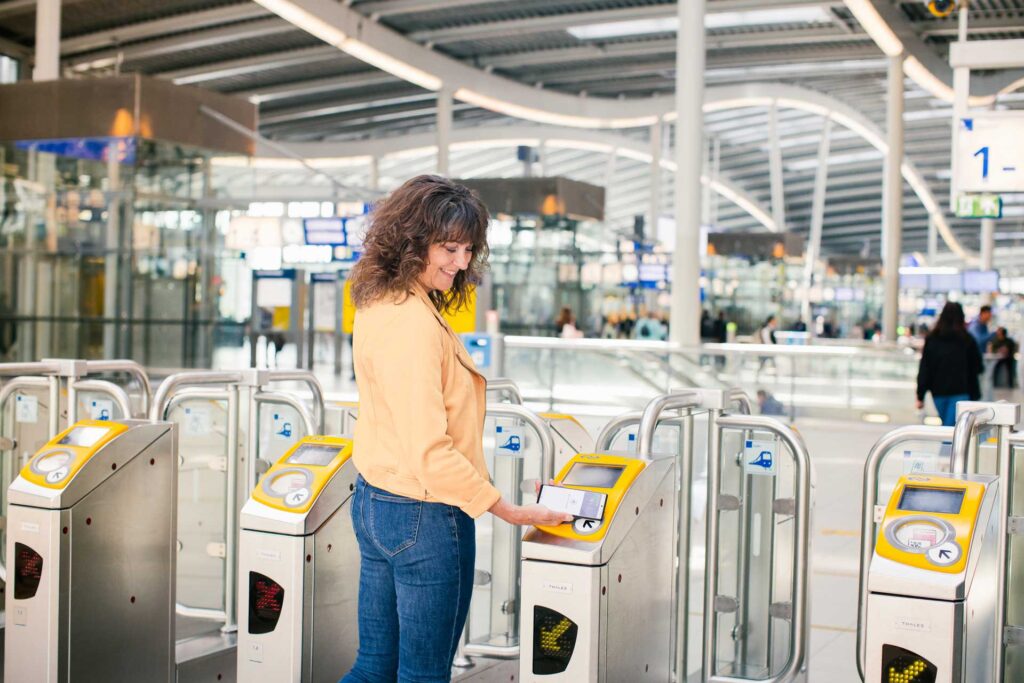
More travelers very satisfied about traveling with payment card
-
Press release
-
Card payments
-
-

Innovation Takes Center Stage at Annual DNB Symposium on Payments
-
News
-
Payments for all
-
-
Six out of ten retail business owners say they are prepared for card payments failures
-
News
-
Card payments
-