
Contactless payments are secure, easy and fast
The Dutch Consumers’ Association highlighted a possible form of contactless pickpocketing that had been described in the media several times. In reality, criminals were unlikely to be able to make unnoticed contactless payments in this way. This form of contactless card fraud had never occurred in the Netherlands. Should it happen, the banks would reimburse the losses. Cardholders generally shield their PIN carefully and store their debit cards securely in an inside pocket, wallet or deep inside a bag. The likelihood of a fraudster making a successful contactless payment without somebody noticing was therefore extremely small.
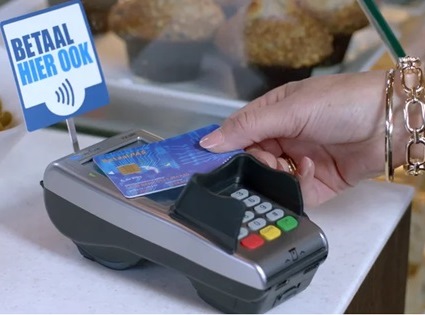
“The Dutch Consumers’ Association supports contactless payments, but there must be clarity about the applicable limit and about what happens after contactless pickpocketing,” the organisation said in a statement.
Read more about the security of contactless payments on PIN.NL (in Dutch).
Contactless payments grow rapidly
Contactless payments are fast, easy and secure (in Dutch). Customers finish paying more quickly, no longer have to hand over their debit card and there are fewer opportunities for others to see their PIN. “Contactless payments grew at an exceptionally rapid pace over the past year (in Dutch),” said Piet Mallekoote, managing director of the Dutch Payments Association. “That shows that businesses and consumers embrace the many benefits of this payment method.”
Sander van Golberdinge, director of Detailhandel Nederland, had every confidence in the security of contactless payments: “Contactless payments offer many benefits, including convenience and speed, and enable the transition to mobile payments. In practice, contactless payments work very well and we have not encountered any security problems. We are confident that the banks are doing everything they can to keep it that way.”
Security limits
To make a successful contactless payment, a debit card must be held less than five centimetres from a contactless payment terminal. For amounts above €25, the PIN must always be entered. No PIN is required for amounts up to and including €25. To prevent a thief from continuing to make payments without a PIN using a stolen debit card, there was a cumulative limit of €50. Once several consecutive small payments without a PIN together reached €50, the PIN had to be entered. The contactless debit card usually did not need to be inserted into the terminal, even for amounts above €50. However, a payment terminal would sometimes ask for the debit card to be inserted.
Some banks set fixed daily limits for contactless payments, for example €250 a day. At other banks, cardholders could set their own daily limits. Contactless pickpocketing therefore could not simply be used to debit thousands of euros unnoticed.
High risk of being caught
To commit fraud with a contactless payment terminal, an offender would have to register with the Dutch Chamber of Commerce and have a bank account. The fraudster would also have to register the terminal before it could accept payments. Payments were not credited to the fraudster’s bank account immediately; this took at least one working day.
Read more about the security of contactless payments on PIN.NL (in Dutch).
Related articles
-
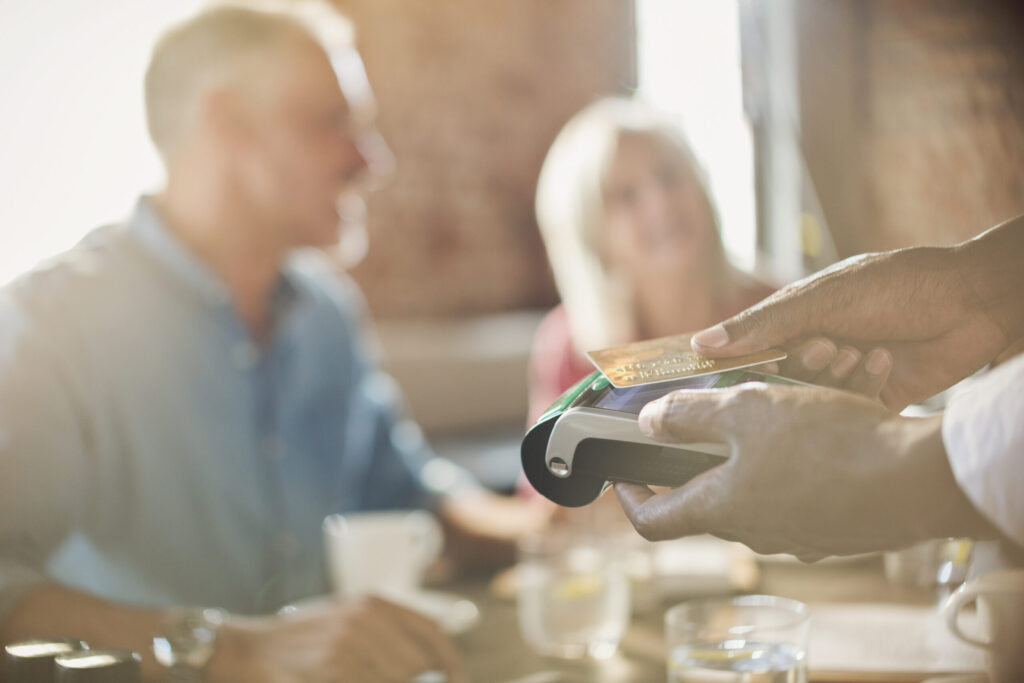
Dutch abroad pay most with cards in Spanish hospitality
-
News
-
Card payments
-
-

High confidence in Dutch payment system
-
News
-
Card payments
-
-
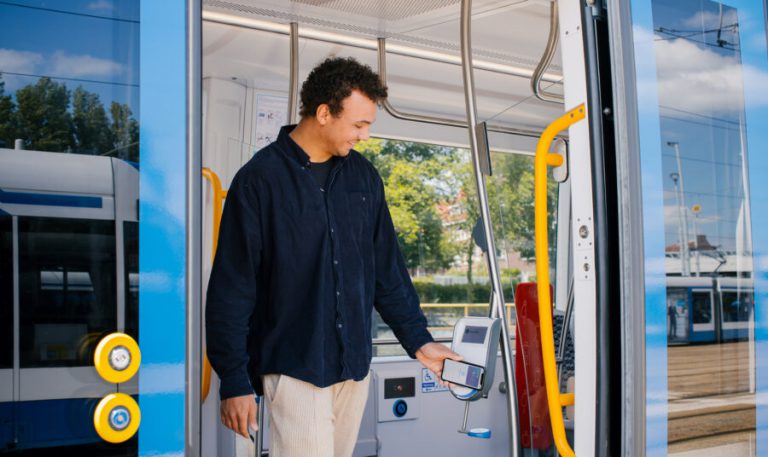
Checking In and Out on Public Transportation Is Now Even Smoother with Your Smartphone
-
News
-
Card payments
-
-
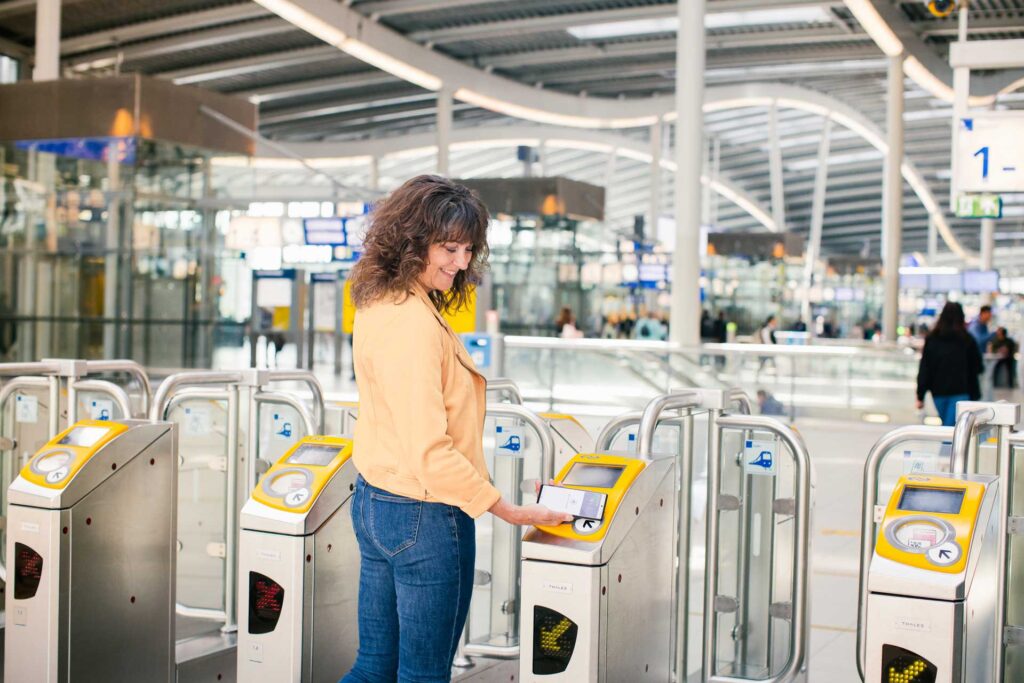
More travelers very satisfied about traveling with payment card
-
Press release
-
Card payments
-
-

Six out of ten retail business owners say they are prepared for card payments failures
-
News
-
Card payments
-
-
Make sure you have (digital) fallback options in case of a potential card payments failure!
-
News
-
Card payments
-