
Check first, then click!

You probably know the situation: you are sitting on a train, walking down the street or chatting to someone while checking your email or WhatsApp messages. There is a fair chance you are a little less alert at that moment, isn’t there?
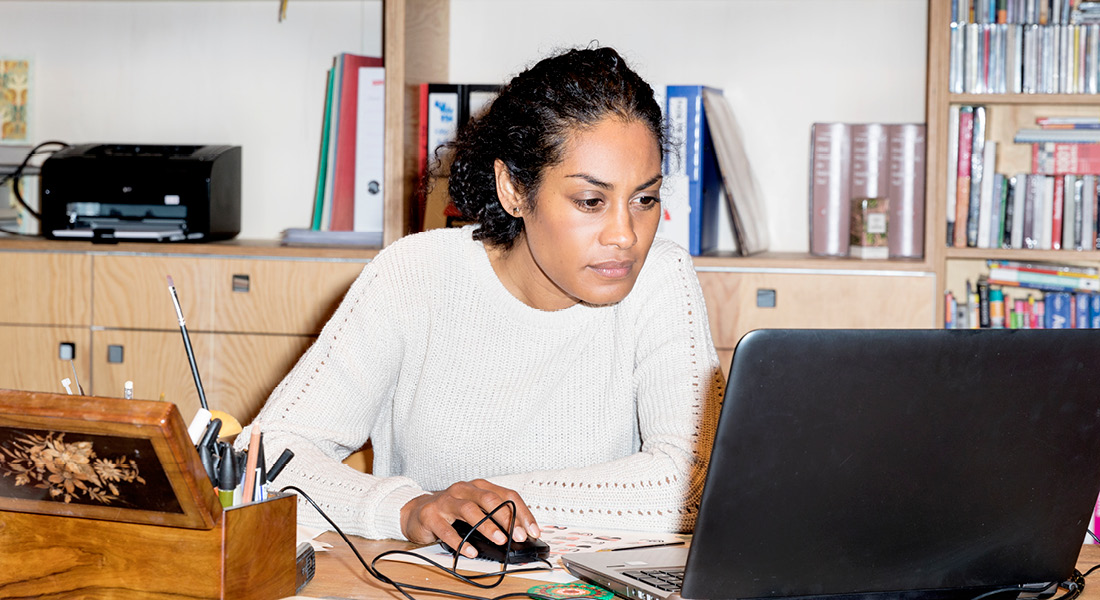
You might click a malicious link or open an attachment that you would have been better off leaving alone. That can be harmful: a link or file like that can give cybercriminals access to your computer. Or you might make a payment without paying attention to someone you do not know at all. So… check first, then click!
Check first, then click: do not click every link you see
An email, text message or payment request containing a malicious link is a common way to trick you into revealing your information. This is called phishing. Using information such as passwords or access codes, cybercriminals can steal a great deal of money from you. It is therefore important to stay alert. If you can recognise phishing and avoid clicking suspicious links and attachments, you make life much harder for cybercriminals.
Read the full article at veiliginternetten.nl (in Dutch)…
Related articles
-

The Payments Association at GDC26: digital identity and payments
-
News
-
Digital identity
-
-

Industry organisations: involve the financial sector in the roll-out of digital wallets
-
News
-
Digital identity
-
-
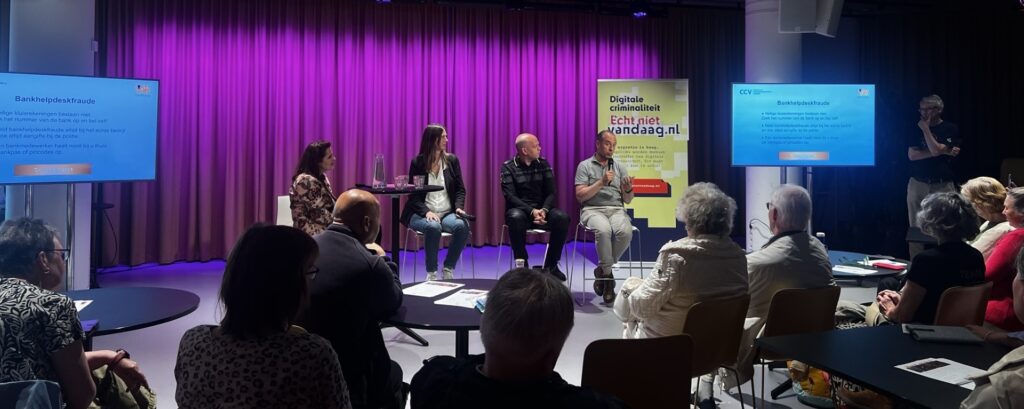
Digital Resilience and AI
-
News
-
Digital identity
-
-
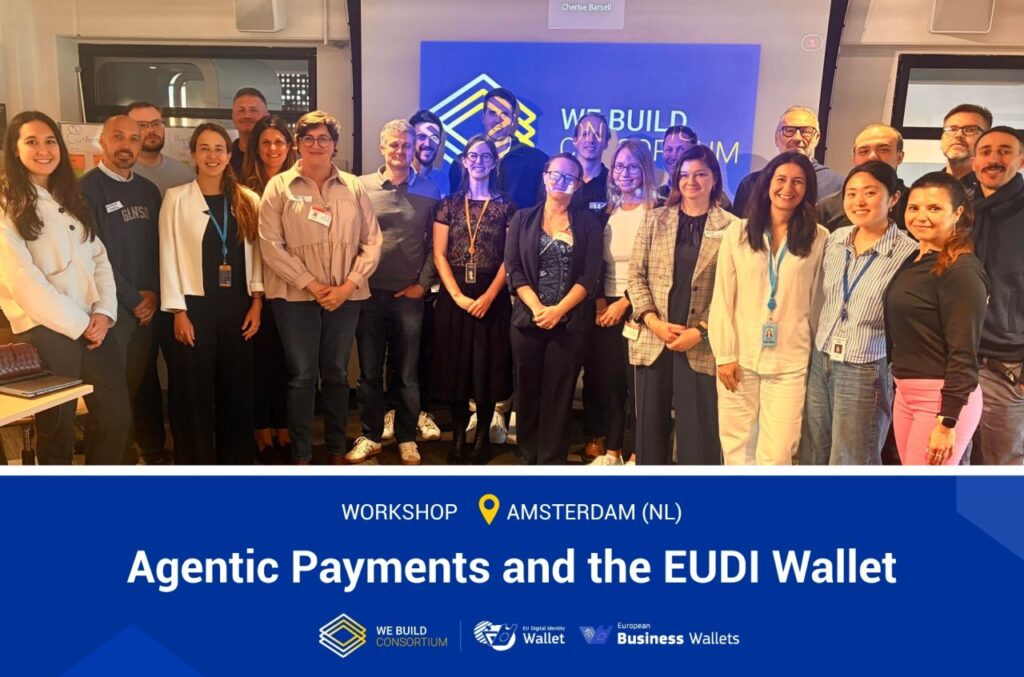
Workshop on agentic payments and the EUDI Wallet
-
News
-
Digital identity
-
-
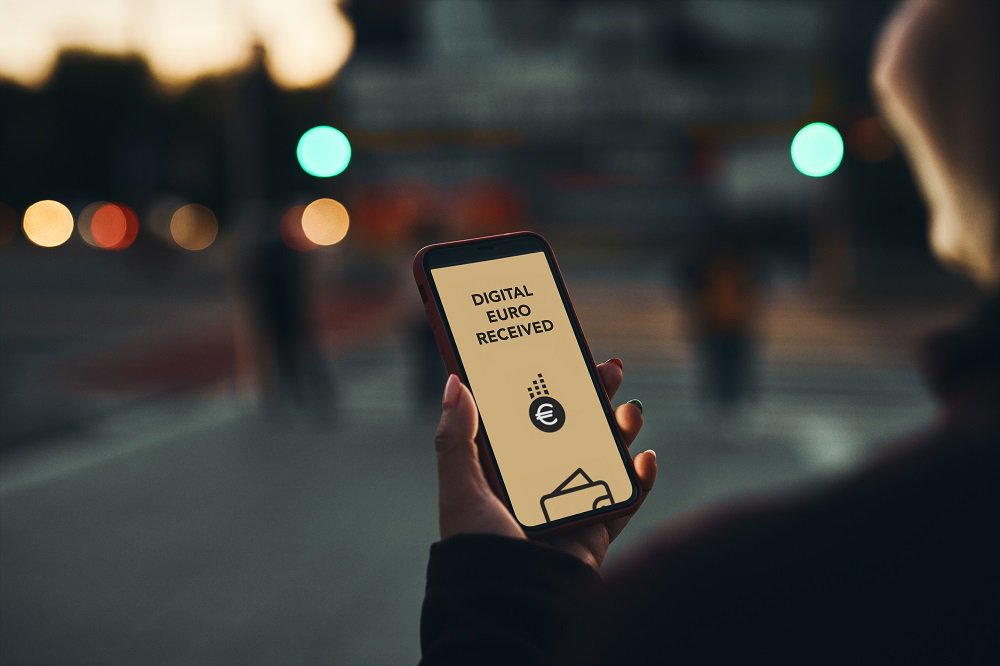
Make digital euro useful, simple and affordable
-
News
-
European legislation
-
-

Payments newsletter: Betaaljournaal 37
-
Payments newsletter
-