
Payments remain secure despite rise in fraud
Payment fraud rose to €92 million last year. Nevertheless, in view of the turnover involved, payments in the Netherlands remain extremely secure. This is according to figures presented today by the Dutch Banking Association.
Fraud mainly involved online banking and debit card skimming. Online banking fraud rose from almost €10 million in 2010 to €35 million last year. Losses caused by debit card skimming – copying card data – increased from €19.7 million in 2010 to €38.9 million last year.
In relative terms, fraud remains very limited. Turnover in online banking and debit card use is many times greater, at €3.2 trillion and €138 billion respectively. Fraud therefore represents only 0.001% of online banking turnover and 0.03% of debit card turnover in the case of skimming.
Boele Staal, chair of the Dutch Banking Association, says: “Payments are becoming increasingly digital and the amounts involved are rising sharply. With eleven million online banking users, the Netherlands has the world’s highest adoption rate. Unfortunately, criminals move with the times. They focus their attention wherever the money is. In the past that meant banknotes in the physical world; now it increasingly means electronic money in the digital world. The traditional bank robbery has almost disappeared.”
One important positive development is that banks are increasingly detecting cybercrime attacks in time. Criminals are also being arrested more often, as happened in Russia last week. “Cybercrime is a problem for society as a whole, affecting more than just banks and their customers.”
Banks invest many millions of euros to provide secure products. From today, the Dutch Banking Association is again broadcasting its television advert warning against phishing, in which criminals use the internet to obtain bank details. The advert ends with the message: “Keep your bank details and login codes secret!”
Debit card skimming also rose sharply last year. “We believe criminals launched one final, large-scale attack before the EMV chip became fully operational throughout the Netherlands on 1 January 2012.”
“In the best Dutch tradition, banks are maintaining heightened vigilance. Banks, the police and the Public Prosecution Service are working closely together to dismantle criminal gangs, and they are succeeding. Banks inform their customers about how criminals operate and make them aware of what they can do to protect themselves. Together, we keep payments secure,” says Boele Staal.
Dutch Banking Association
The Dutch Banking Association was formed in 1989 from several different bodies and represents the shared interests of Dutch banks. Almost all banks operating in the Netherlands, including branches of foreign banks, are members. The Association also serves as a knowledge and information centre for its members and interested parties. Banks work together to maintain trust. The Banking Code, which came into force on 1 January 2010 and applies to all banks in the Netherlands, puts the customer first. Diversity in the banking sector and the competitiveness of Dutch banks are also important principles in the Association’s policy.
A list of articles
-

Dutch abroad pay most with cards in Spanish hospitality
-
News
-
Card payments
-
-
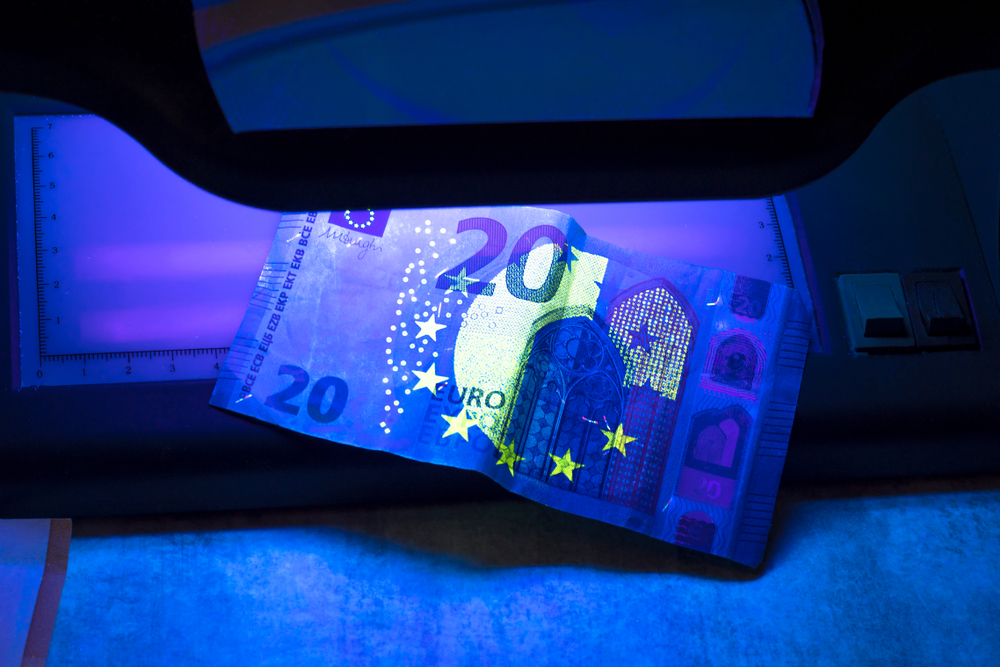
Tackling ATM attacks with ink, glue and synthetic DNA
-
News
-
Cash payments
-
-

The Payments Association at GDC26: digital identity and payments
-
News
-
Digital identity
-
Related articles
-
The Payments Association at GDC26: digital identity and payments
-
News
-
Digital identity
-
-

Industry organisations: involve the financial sector in the roll-out of digital wallets
-
News
-
Digital identity
-
-
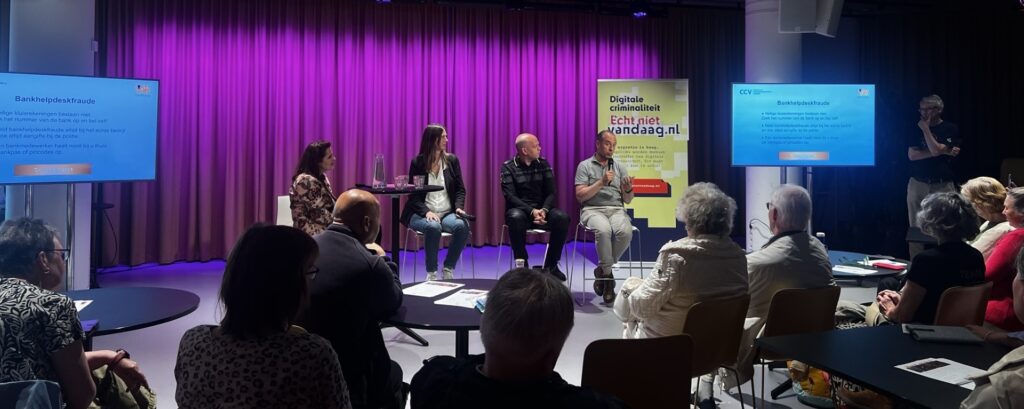
Digital Resilience and AI
-
News
-
Digital identity
-
-
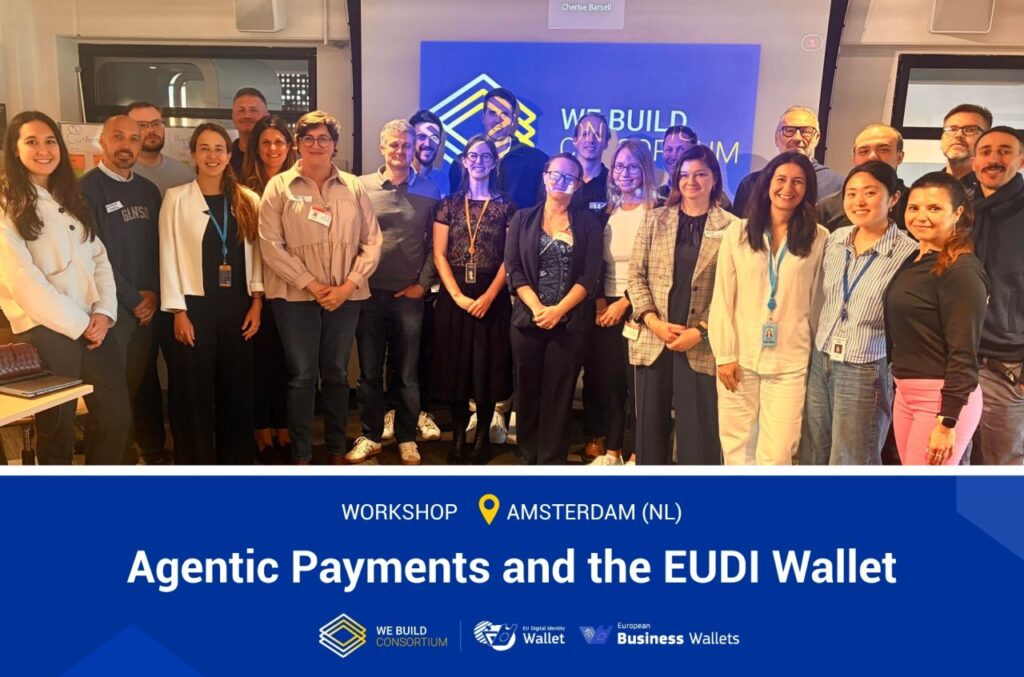
Workshop on agentic payments and the EUDI Wallet
-
News
-
Digital identity
-
-
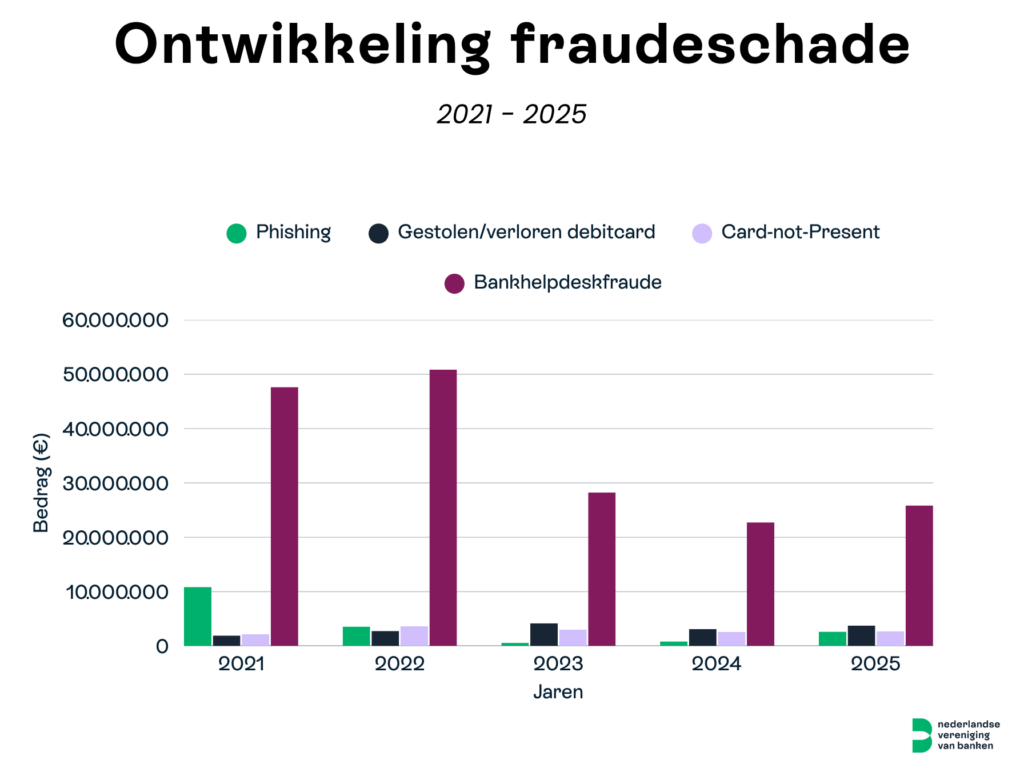
Banks are calling out social media platforms for their role in fraud and scams
-
News
-
Online payments
-
-
EU trilogue on the digital euro begins
-
News
-
European legislation
-