New EU rules make payment account fees more transparent and comparable
New EU rules designed to make the costs of payment accounts more transparent for consumers will apply from 31 October 2018. Payment account providers—mainly banks—must then comply with the transparency and comparability provisions of the Payment Accounts Directive (PAD).

Payment account providers will be required to inform consumers about the costs of a payment account and related services using standard documents. They must do so both in advance, through a ‘Fee Information Document’, and annually in arrears, through a ‘Statement of Fees’.
Fee Information Document
The Dutch Authority for the Financial Markets (AFM), which supervises compliance with the PAD in the Netherlands, explains on its website (in Dutch) that a payment account provider must give retail customers a Fee Information Document well before they open a payment account. This document sets out the fees for the services most commonly linked to payment accounts in the Netherlands, such as the charges for an account package.
Statement of Fees
Payment account providers must also supply an annual Statement of Fees. This lists the fees charged for all services linked to the payment account and any interest rates applied. According to the AFM, every retail account holder must have received such an annual Statement of Fees for the first time by 31 October 2019 at the latest.
National list of fee-based services linked to a payment account
Payment account providers must use standardised terminology in their consumer communications, as set out in the ‘National list of the most representative services linked to a payment account and subject to a fee (in Dutch) ’. From 31 October, providers must use this terminology in their contractual, commercial and marketing information for consumers, including the Fee Information Document and Statement of Fees described above.
The Payment Accounts Directive (PAD) is a European directive that pursues three objectives for consumers within the European Union:
- to make the costs of using payment accounts more transparent so they can be compared more easily;
- to make it easier to switch to another payment account provider;
- to guarantee access to a basic payment account for everyone legally resident in the European Union.
Related articles
-

High confidence in Dutch payment system
-
News
-
Card payments
-
-
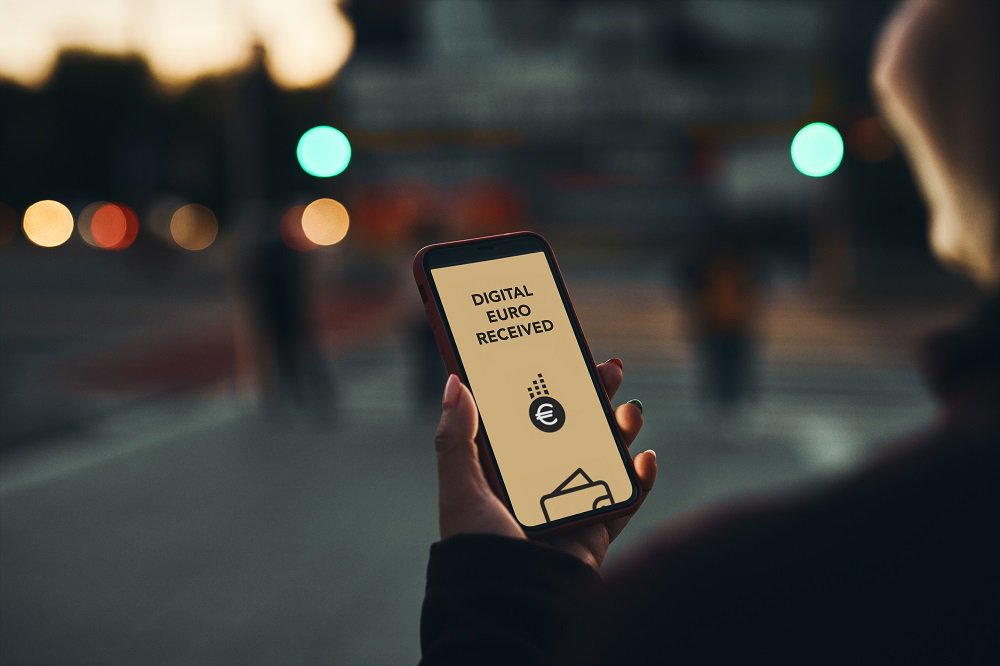
Make digital euro useful, simple and affordable
-
News
-
European legislation
-
-
EU trilogue on the digital euro begins
-
News
-
European legislation
-
-
New bank account numbers Dutch Tax Administration
-
News
-
Account-to-Account payments
-
-

The Digital Euro and Stablecoins: Apples and Oranges
-
News
-
European legislation
-
-

Payment orders with unstructured address data will be rejected starting November 14 or 15, 2026
-
News
-
European legislation
-