
Easy and secure online identification anywhere with iDIN
iDIN(opens in new window) is becoming widely available to companies and organisations that provide online services. Millions of consumers will be able to log in and identify themselves easily and securely with online service providers, online shops and organisations that offer iDIN on their websites. iDIN gives organisations assurance about the identity of their online customers.
iDIN is the online identification and login service(opens in new window) developed jointly by Dutch banks and the Dutch Payments Association. It allows individual account holders to identify themselves and log in online to participating organisations using their own bank’s familiar login method. With ABN AMRO(opens in new window) , ING(opens in new window) , Rabobank(opens in new window) , SNS(opens in new window) , ASN Bank(opens in new window) , RegioBank(opens in new window) and Triodos Bank(opens in new window) , most consumer banks in the Netherlands participate.
Positive pilot experience
Since the beginning of this year, this new way of identifying and logging in online has been tested in a pilot involving organisations including the Dutch Tax and Customs Administration(opens in new window) , Florius(opens in new window) , Interbank(opens in new window) , ONVZ health insurer, Verloning.nl(opens in new window) and Youfone(opens in new window) . The pilot shows that the technology works and users are enthusiastic. This has prompted the banks to offer iDIN to other organisations as well. Companies and organisations can enter into a contract to use iDIN with ABN AMRO, ING, Rabobank or SNS, or with a Digital Identity Service Provider (DISP).
iDIN offers many advantages to participating organisations. To begin with, millions of individual customers of the seven participating banks can use iDIN immediately. It also gives participating organisations assurance about the identity of online customers. Banks are required to verify every customer’s identity carefully, including personal data such as name and date of birth, when the customer opens an account.
Easy and secure
Identification or login with iDIN is very similar to the way people in the Netherlands use iDEAL:
“On the participating organisation’s website, you select your own bank. You are then redirected to your bank’s iDIN start screen, where you log in using your bank’s familiar login method. Your bank can then confirm your identity to the organisation. It is easy and secure,” explains Piet Mallekoote, Director of the Dutch Payments Association. “Creating and remembering secure login details for many different websites is a major frustration for many people. iDIN solves that problem.”
Users remain in control
“Customer privacy is safeguarded,” Mallekoote says. “Customers choose whether or not to use iDIN. Each time they use it, they must explicitly approve the sending of any personal data to a participating organisation. They can see exactly which data the organisation has requested, such as their name, address, age or gender. The customer therefore always remains in control.”
Participating organisations do not receive access to a customer’s financial data held by their bank, such as balances and transaction details. After identification or login, the connection between the bank and the organisation is closed again. Conversely, banks cannot access data about the customer held by a participating organisation, such as pages visited or orders placed.
More information about iDIN is available at iDIN.nl (in Dutch)(opens in new window) .
Related articles
-

The Payments Association at GDC26: digital identity and payments
-
News
-
Digital identity
-
-

Industry organisations: involve the financial sector in the roll-out of digital wallets
-
News
-
Digital identity
-
-
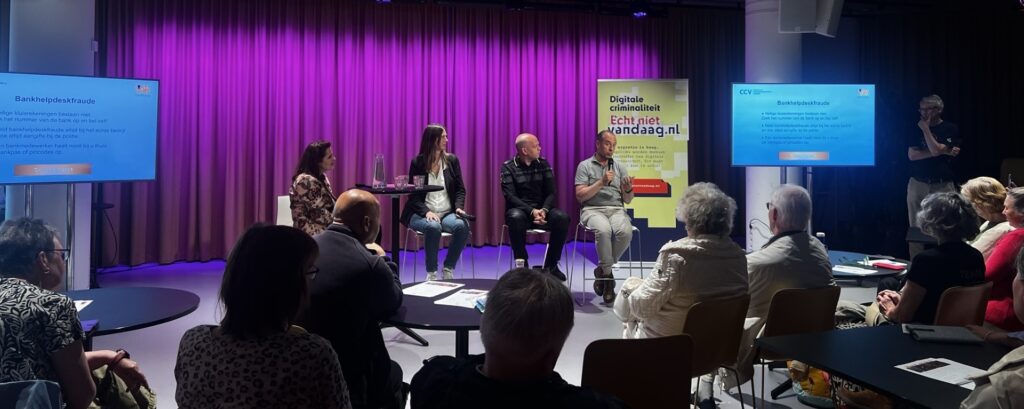
Digital Resilience and AI
-
News
-
Digital identity
-
-
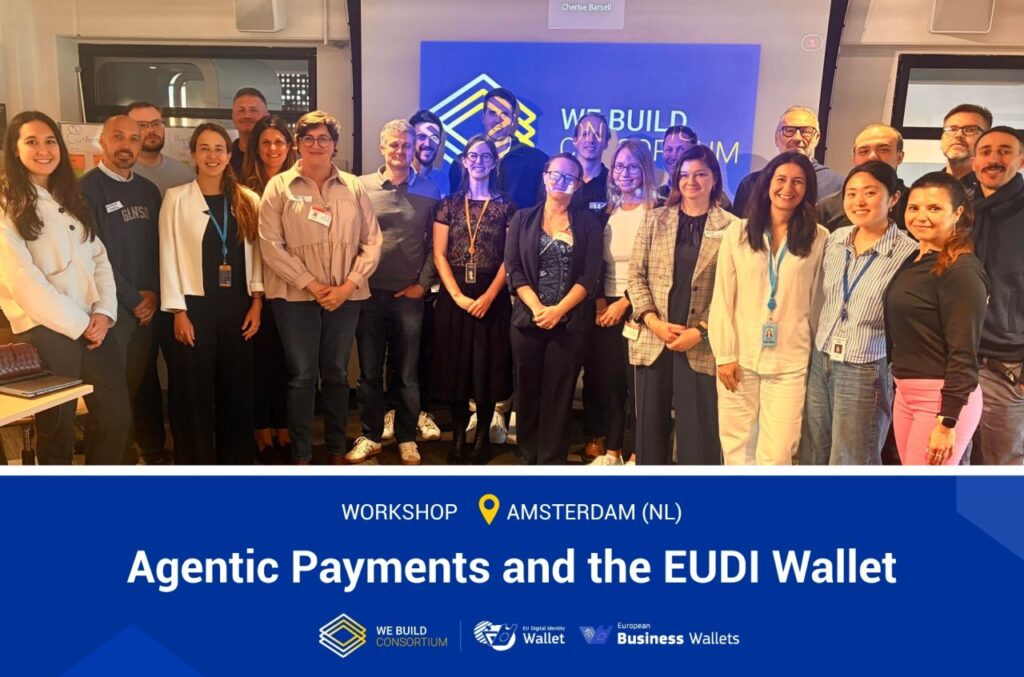
Workshop on agentic payments and the EUDI Wallet
-
News
-
Digital identity
-
-
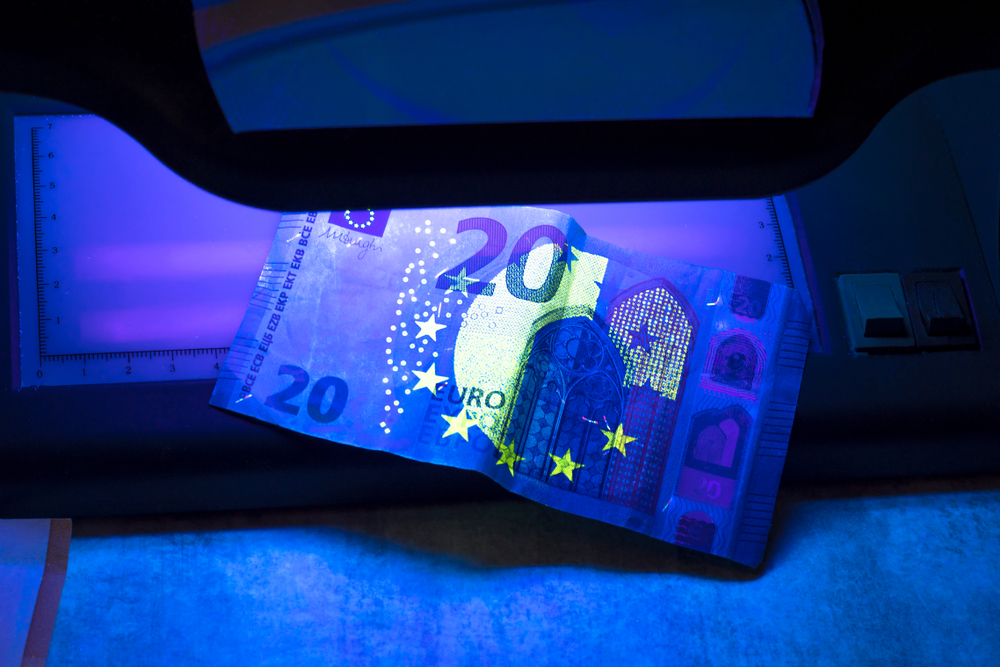
Tackling ATM attacks with ink, glue and synthetic DNA
-
News
-
Cash payments
-
-
Annual Report 2025: A Year of Innovation in Domestic and European Payments
-
Association news
-