
New campaign urges people to protect themselves better against cybercrime
Cybercriminals are becoming more sophisticated. This makes it increasingly difficult to recognise when they are using a fake message to misuse people’s personal data or steal their money.
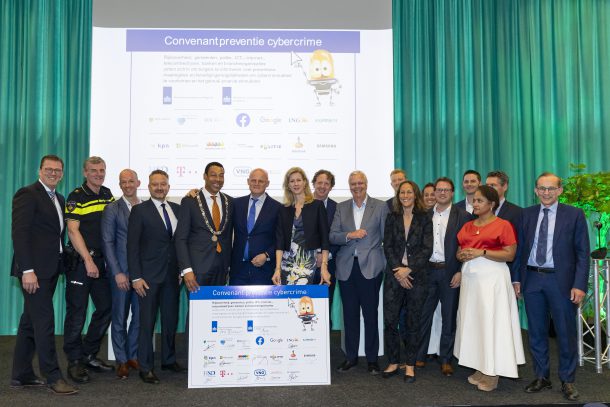
At the National Safety Day in Almere, Minister Grapperhaus of the Ministry of Justice and Security (in Dutch) launched the public-awareness campaign ‘Check first, then click’ (in Dutch) . The campaign urges people to protect themselves better against phishing and other forms of cybercrime. Minister Grapperhaus, State Secretary Keijzer of the Ministry of Economic Affairs and Climate Policy (in Dutch) and a large number of companies and trade associations also signed the Cybercrime Prevention Covenant. Together, they are joining forces in the fight against cybercrime.
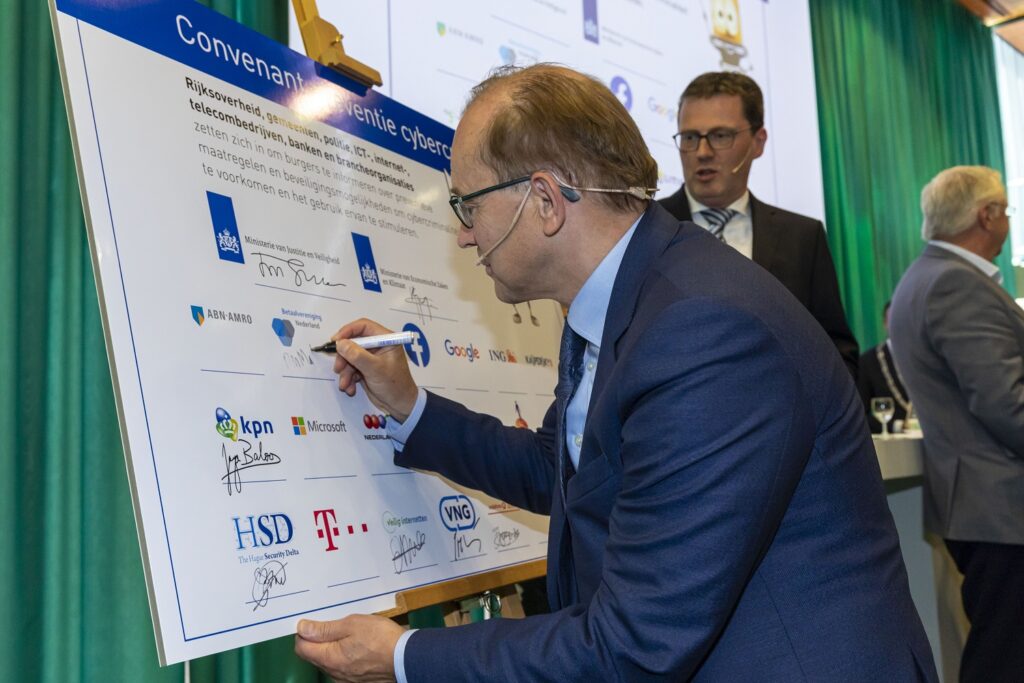
Police figures show that traditional crime, such as robberies, home burglaries and violent offences, is falling. This is not the case for cybercrime, however. Statistics Netherlands calculated that one in nine people fell victim in 2017. The government is therefore investing heavily in tracking down cybercriminals, but that alone is not enough. As cybercriminals become increasingly adept at gaining access to computers, tablets and smartphones, people must also become more vigilant online. The new campaign therefore urges people to check whether a link, attachment or payment request in an email, text message or chat message can be trusted, and to click only once they are sure.
Staying alert to phishing
“We must end the taboo around falling victim to phishing. It can happen to anyone and it is nothing to be ashamed of,” said Minister Grapperhaus at the National Safety Day in Almere on Saturday 25 May. “It affects everyone, so we must all do something about it. Be careful when clicking a link, attachment or payment request. Before you know it, you have given cybercriminals access to your digital life. Cybercriminals are becoming increasingly skilled at imitating emails, text messages and chat messages. That vigilance must become a habit, just like locking the door when you leave home. So: check first, then click.”
Cybercrime Prevention Covenant
Alongside central government, municipalities, trade associations and companies are also working to help people protect themselves better against cybercrime. More than twenty parties signed the Cybercrime Prevention Covenant on 25 May. In doing so, they agreed to encourage people to take preventive measures against cybercrime, such as using antivirus software and different strong passwords, installing software updates immediately and making regular backups. Banks and ICT, internet and telecoms companies will also encourage their customers to use both their existing security options and those still in development.
About the campaign
Through its public-awareness campaign against cybercrime, the Ministry of Justice and Security aims to help people protect themselves better. The campaign will appear on television, online and on social media from Monday 27 May. A large number of partners from the banking, ICT, internet and telecoms sectors, among others, support the campaign. Through their own channels, they urge people to protect themselves better against cybercriminals and share advice on how to do so. More information about the campaign is available at veiliginternetten.nl (in Dutch) .
Related articles
-

The Payments Association at GDC26: digital identity and payments
-
News
-
Digital identity
-
-

Industry organisations: involve the financial sector in the roll-out of digital wallets
-
News
-
Digital identity
-
-
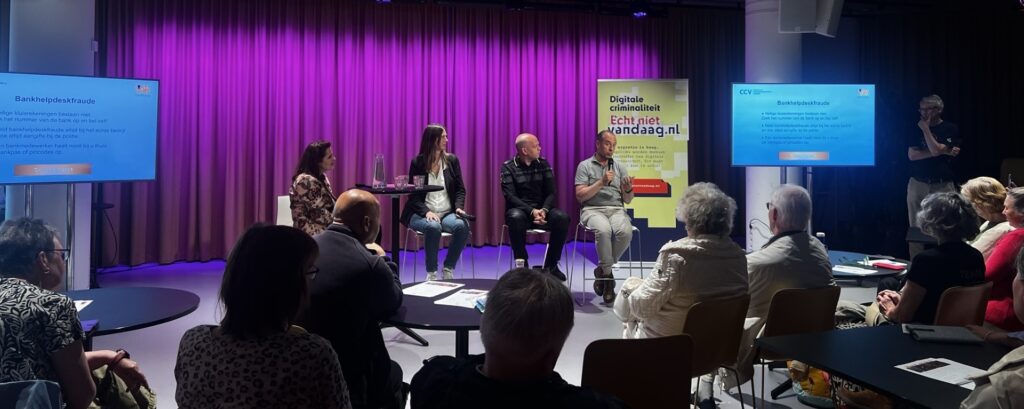
Digital Resilience and AI
-
News
-
Digital identity
-
-
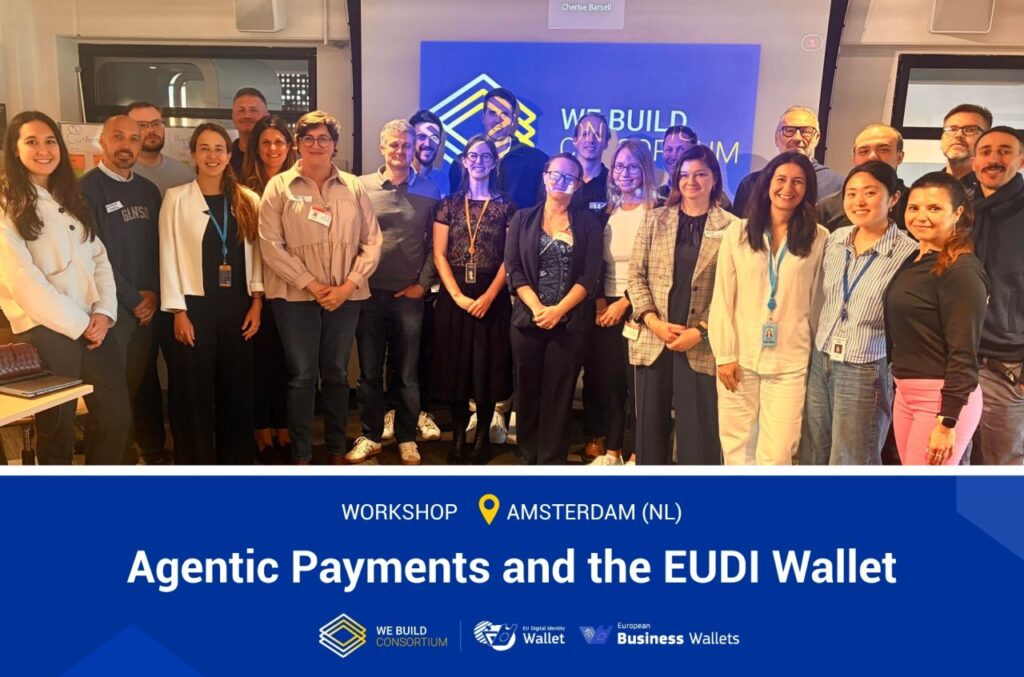
Workshop on agentic payments and the EUDI Wallet
-
News
-
Digital identity
-
-

Lower travel spending is putting pressure on overall online spending
-
News
-
Online payments
-
-
DNB payment figures available for 2025
-
News
-
Account-to-Account payments
-