Payments newsletter: Betaaljournaal 20
At the end of January, the De Nederlandsche Bank (DNB) published an important report entitled ‘The digitisation of payments: a boon for some, a challenge for others’ . This report makes it clear that digitalisation has brought many benefits to society, but that there are also people who struggle with it and are therefore sometimes unable to manage their day-to-day banking affairs independently. This includes older people, those with low literacy levels, people with disabilities and people from migrant backgrounds. Financial services must be accessible to everyone.
We welcome the report. It clearly identifies the key issues that we must address, in close collaboration with the relevant interest groups. On behalf of the sector, the NVB and we have responded to the report by making concrete commitments for the short and longer term. We have called this the ‘commitment’. You can read more about it in this newsletter. For us, this means that our priority area, ‘Accessible Payments’, will be pursued with even greater momentum, manpower and resources in order to intensify cooperation between banks and civil society organisations and to accelerate projects.
The ‘commitment’ has been issued by four banks. I warmly invite our other members to join the commitment and the multi-year programme!
Gijs Boudewijn, Managing Director

- Banks: more support for customers struggling with digital services
- Point-of-sale and online payments combined back above pre-pandemic levels
- From now on, you can also check in with a debit card or mobile phone on NS trains
- Green light for the TARGET2 migration as of 20 March 2023
- Discover Geldland
- The Netherlands on track for new debit cards
- The Dutch Payments Association and its members respond to the European Commission’s proposed legislation and regulations on Instant Payments
- Consultation on amendments to the SPAA Scheme Rulebook
- Finland and the Netherlands lead the way in card payments in the eurozone
- Euroforum conference on the future of payments with a member discount
- Figures
- Agenda
Banks: more support for customers struggling with digital services

ABN AMRO, ING, Rabobank and de Volksbank are set to provide extra support to customers who struggle with digital services. Research by De Nederlandsche Bank shows that people in vulnerable situations need, amongst other things, personal contact, human assistance and non-digital resources. In a ‘Commitment’ issued on 30 January, the banks guarantee that non-digital customers will be able to continue using basic non-digital banking services. The banks will work together and with other organisations to ensure that their support measures reach all customers. A long-term programme featuring numerous activities organised by the NVB and the Dutch Payments Association is to be launched, which will be developed in collaboration with consumer organisations. Among other things, the pilot scheme, run in partnership with libraries, will be expanded to at least ten locations where bank customers can go to ask questions. A joint ‘accessibility pathway’ will also be introduced to better guide customers towards services and assistance that are suitable for them. Other members of the NVB and the Payment Associations are being called upon to join the programme.
Point-of-sale and online payments combined back above pre-pandemic levels
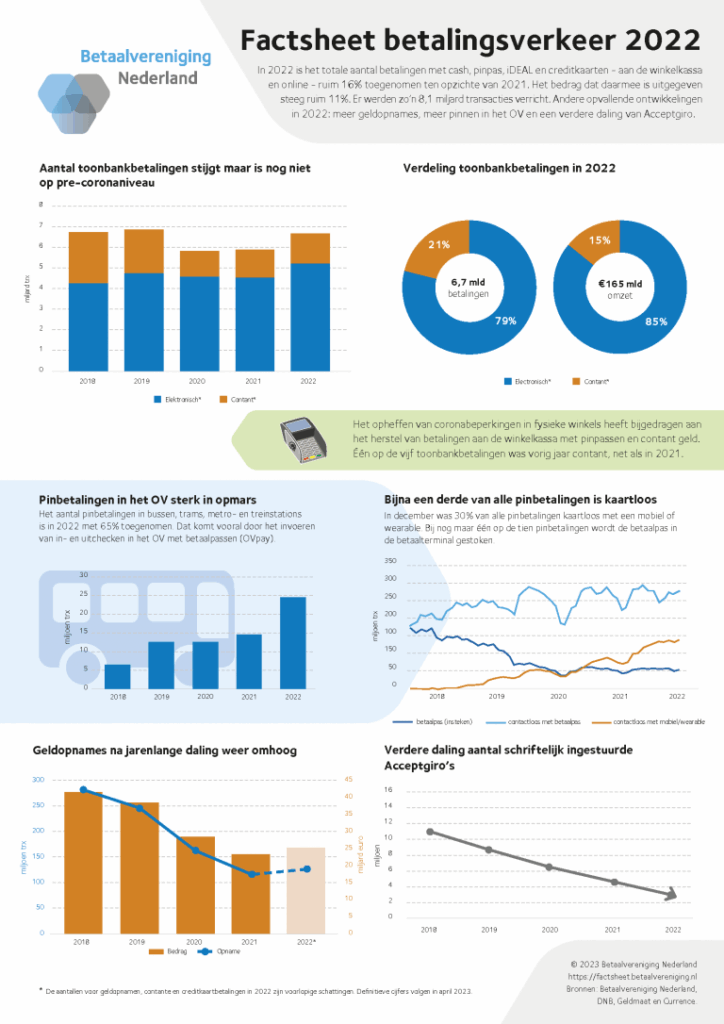
In 2022, the total number of payments in the Netherlands made using cash, debit cards, iDEAL and credit cards – both at the counter and online – rose by 16% compared with 2021. The total amount spent via these methods rose by 11% to nearly €282 billion. In-store payments caught up with online payments last year, rising by 18%. Online payments rose by 7%. Contactless payments via smartphone or smartwatch are becoming increasingly popular and accounted for 30% of all debit card payments in December 2021. The number of debit card payments on public transport rose by 65% in 2022, thanks to the introduction of checking in and out using payment cards. The number of cash withdrawals from ATMs also increased by 8%, and the total amount withdrawn rose by 13%.
Check-in with a debit card or mobile phone now also available on NS
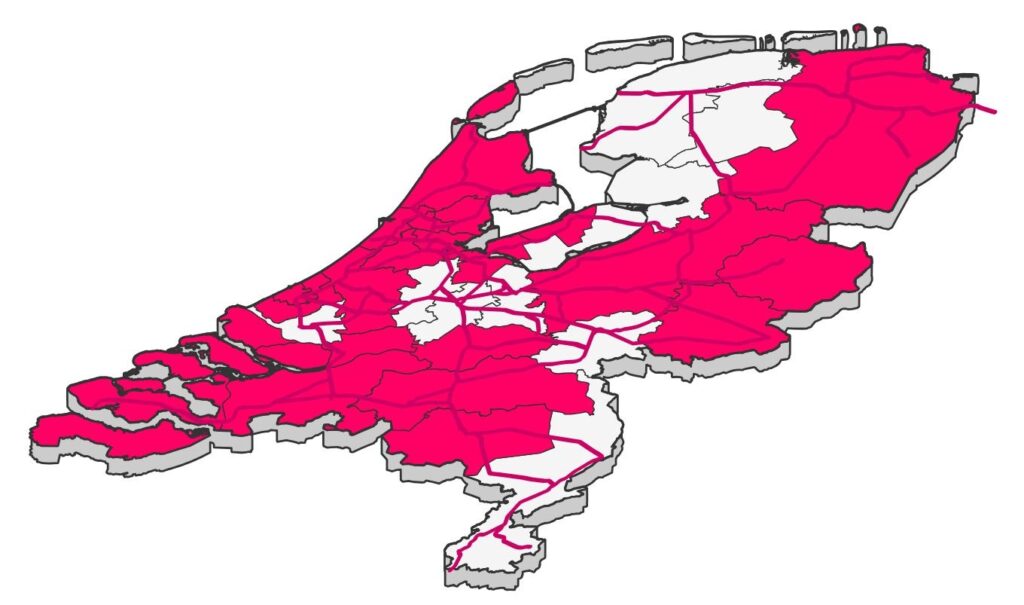
Since 31 January 2023, the Dutch Railways (NS) has been offering train passengers the option to check in and out using their debit card, in addition to the existing option of the OV-chipkaart. NS launched a pilot scheme at the end of August in which over 3,000 passengers took part, enabling the technology to be improved.
The roll-out of the OVpay campaign is progressing steadily. More and more regional and local transport operators are joining the scheme. For example, public transport operators Qbuzz and Arriva have also recently started allowing passengers to check in and out using their debit card. There are also an increasing number of participating banks. Knab customers have been able to use their debit card on public transport since 7 February. Triodos Bank will follow suit from the middle of this year.
It looks as though, from the end of March, it will be possible to use the debit card with all public transport operators (bus, tram, metro and train). Initially, you will only be able to use it to pay for single journeys at the full fare. Later in 2023, it will also be possible to travel using discounts, such as age-related discounts or off-peak discounts.
Green light for the TARGET2 migration as of 20 March 2023

On Friday 10 February, the Market Infrastructure Board (MIB) of the European Central Bank (ECB) issued a positive recommendation for the consolidation of TARGET2 and T2S into T2 with effect from 20 March 2023. This means that the settlement of securities transactions and high-value payments within the European Union will henceforth be consolidated via a single supporting platform. Furthermore, the current MT messages for payments will transition to the ISO 20022 standard. A final ‘go/no-go’ decision from the ECB’s Governing Council is still pending. That decision is expected on 24 February.
The migration will take place on 20 March according to a ‘Big Bang’ scenario; the plan is to switch everything over in one go. In November 2022, the migration was postponed due to the high risk of disruption associated with such a ‘Big Bang’. The parties involved have now had sufficient time to successfully complete all tests in a stable environment.
Introducing Geldland

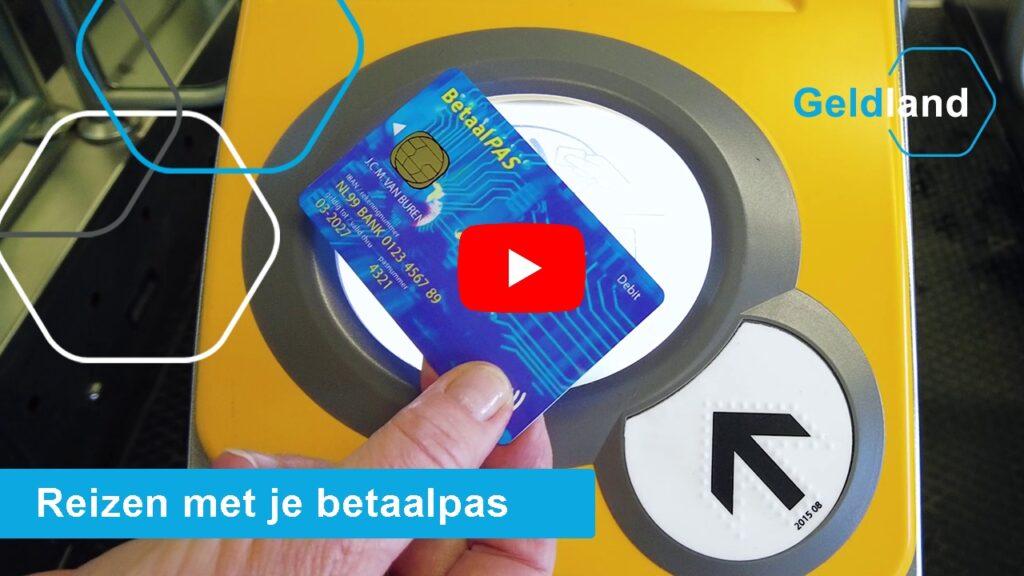
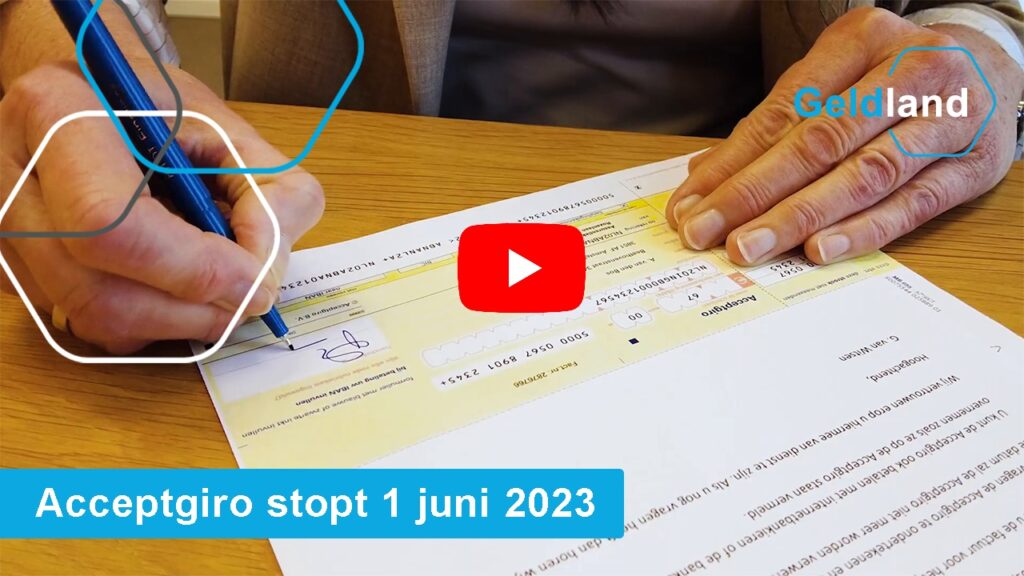
We launched Geldland on 10 January. Through Geldland, we provide consumers with information about various aspects of collective payments. Geldland explains what is involved in payments. We have started a YouTube channel featuring (monthly) videos. In addition, there will be a concise website featuring background information and the latest news on topics of interest to consumers. The first two videos are about OVpay and Acceptgiro. Upcoming topics will include, for example, making payments whilst on holiday and debit cards. Anyone who wants to keep up to date with what’s happening on Geldland can subscribe to the YouTube channel .
Watch our first two videos here:
The Netherlands ready in time for new debit cards

The Dutch Payments Association has completed the Debit Card Acceptance (DCA) project. Following the successful upgrade or replacement of 425,000 payment terminals, both foreign visitors and Dutch residents can now pay effortlessly in most Dutch shops using new Debit Mastercard and Visa Debit cards. This project was a collaboration between banks, point-of-sale providers, terminal suppliers, transaction processors, Visa, Mastercard and, of course, the Dutch Payments Association.
Over the coming years, 30 million Dutch Maestro and V PAY debit cards will be gradually replaced by new Visa Debit and Debit Mastercard cards. Until then, cardholders with a valid V PAY or Maestro card can continue to make payments and withdraw cash anywhere in Europe.
Both Debit Mastercard and Visa Debit can now be used for debit card transactions at 73 per cent of all payment terminals in the Netherlands. By the end of March, this percentage is expected to reach 90 per cent. Incidentally, at the remaining 10% of terminals that have not yet been upgraded, it will usually still be possible to pay using Visa Debit and Debit Mastercard, as seven out of ten of these terminals already accept credit cards.
The Dutch Payments Association is setting up a reporting centre for incidents to ensure that the acceptance process continues to run smoothly. The Dutch Payments Association will also draw attention to to merchants the importance of replacing outdated terminals and ensuring the availability of POS equipment. Businesses can order information materials from PIN.nl to display at the till, showing customers which types of cards they can use.
The Dutch Payments Association and its members respond to proposed EC legislation on Instant Payments

The European Commission has submitted proposals for legislation on Instant Payments , with the aim of making payment applications based on this technology easy to use and widely available. The Netherlands was the first country in the eurozone to introduce Instant Payments on a large scale and remains one of the frontrunners. Dutch banks and payment institutions have now processed nearly 1.5 billion Instant Payments between different banks, gaining extensive knowledge and experience in the process.
On behalf of our members, we have responded to the EC’s proposals and are calling for improvements to make the legislation and regulations faster and easier to implement. The EC’s proposals set out complex requirements for verifying the beneficiary in Instant Payments, a process we refer to as the IBAN-Name check. We highlight ways in which this verification can be provided in a simple, accessible and secure manner without infringing on consumers’ privacy or the commercial interests of retail businesses.
Consultation on amendments to the SPAA Scheme Rulebook
The European Payments Council (EPC) has launched a public consultation on the extension of version 1.0 of the SEPA Payment Account Access (SPAA) scheme rulebook (EPC012-22 version 1.0) regarding the use of Strong Customer Authentication (SCA). The outcome of this new, targeted public consultation will be incorporated into a revised version of the SPAA Scheme Rulebook. This public consultation will run for 90 calendar days, ending on 15 March 2023.
Finland and the Netherlands lead the way in card payments in the eurozone
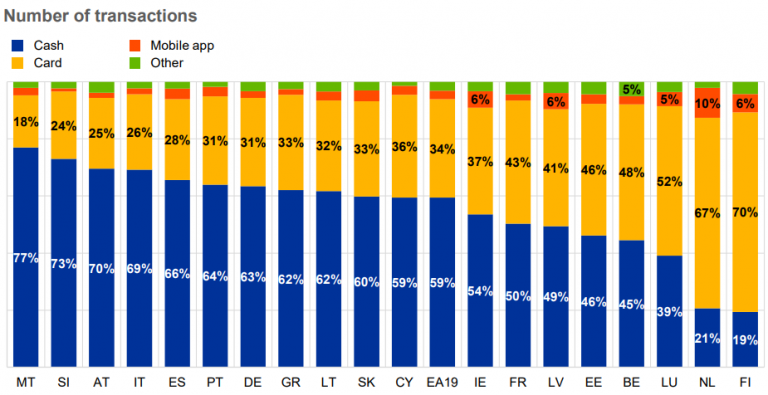
According to a recent study by the European Central Bank (ECB) , Finland and the Netherlands lead the way when it comes to card payments in the eurozone. The study shows that Finns pay with their payment card, smartphone or smartwatch slightly more often than the Dutch. In the Netherlands, around one in five payments at the till is still made in cash, whilst across the eurozone as a whole, this figure stands at three in five. In major eurozone countries such as Germany, Italy and Spain, cash payments are still made at an above-average rate.
The number of debit card payments in the Netherlands has risen sharply over the past year, following two years of the coronavirus pandemic with restrictions in physical shops. This year, for the first time, more than 5 billion debit card payments were made within a single calendar year, and around 30 per cent of all Dutch debit card payments are now made using a smartphone or smartwatch. The data for the Netherlands was obtained, amongst other sources, from the annual report ‘Betalen aan de Kassa’ (Paying at the Till) by the Dutch Payments Association and De Nederlandsche Bank (DNB).
Euroforum conference on the future of payments with a member discount
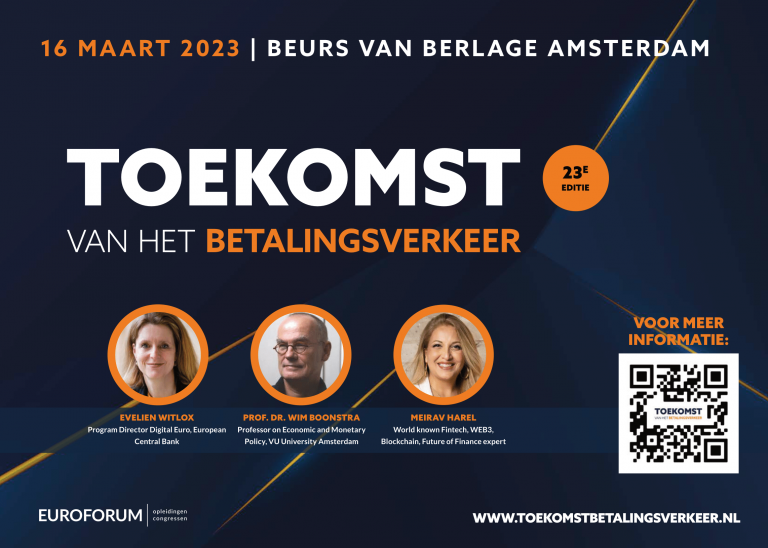
The annual conference ‘The Future of Payments’ has been the premier meeting place for all payment professionals in the Netherlands for over 20 years, and this year’s programme is once again both inspiring and interactive. In addition to the plenary keynote speeches, there are a range of breakout sessions to choose from. And, of course, the programme offers plenty of opportunity to network and engage in discussion with colleagues and experts in the payments sector. These are the five themes for 2023:
- Developments in PSD2 and PSD3, the digital euro and instant payments
- The Metaverse; the convergence of offline and virtual worlds
- How to design a simple, secure and inclusive market infrastructure
- ESG: environmental, social and governance factors in relation to the payments sector
- Impact of geopolitical and economic developments
Members of the Dutch Payments Association receive a special members’ discount of 20%. The cost is therefore not €899 but €719.20 (excl. VAT) per person: Click here to register now.
Figures
In 2022, 60,000 accounts (NL-IBAN) were opened for refugees from Ukraine.
More figures on refugees from Ukraine
Agenda
- Early March – Board meeting
- 6 March – Giraal Stakeholder Forum/Card Forum
- 16 March – Euroforum conference “The Future of Payments”
- 18 April – Open banking event “SPAA: open access beyond PSD2”
- End of April – Publication of the Dutch Payments Association’s annual report
- 17 May – Annual General Meeting
Members’ Bulletin
In addition to this Betaaljournaal, the Dutch Payments Association also publishes Members’ Bulletins. In these, we inform members about practical matters of importance. The bulletins are usually published a few times a month and focus on a specific theme. Are you a member but not yet receiving these bulletins? You can ask to be added to the mailing list via secretariaat@betaalvereniging.nl.
Subscribe to the Betaaljournaal
Are you also interested in the latest developments in the payments sector? Stay up to date via the ‘Betaaljournaal’. You can subscribe here.
Related articles
-

BIC and identifier ‘SNNNNL2A’ added to the SEPA BIC list
-
IBAN/BIC list
-
IBAN and BIC
-
-

Industry organisations: involve the financial sector in the roll-out of digital wallets
-
News
-
Digital identity
-
-
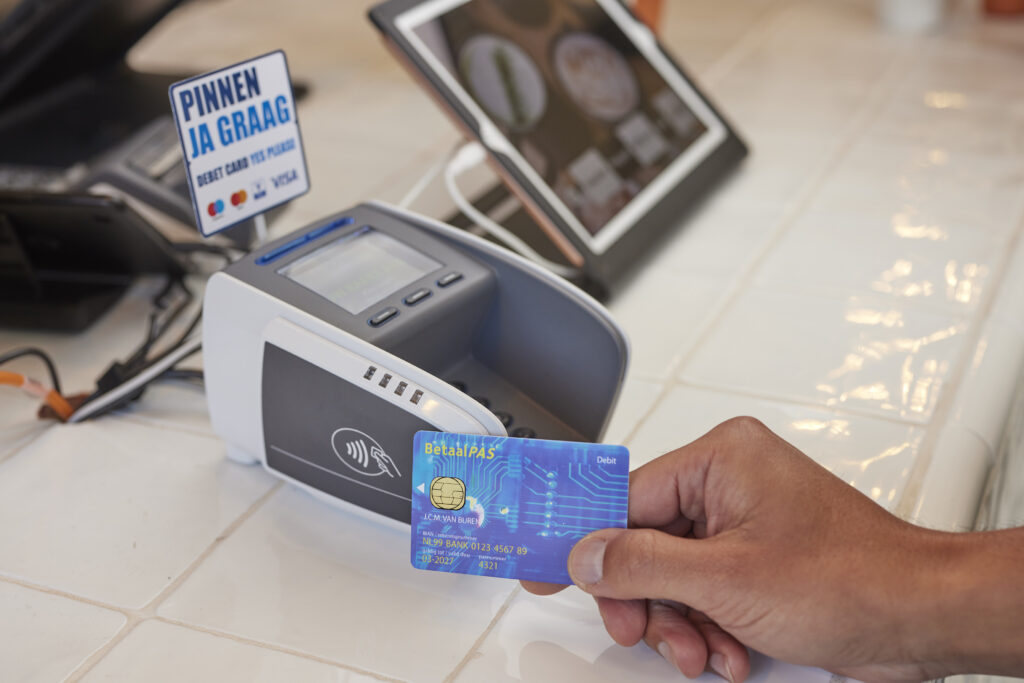
DNB payment figures available for 2025
-
News
-
Account-to-Account payments
-
-
Make digital euro useful, simple and affordable
-
News
-
European legislation
-
-
EU trilogue on the digital euro begins
-
News
-
European legislation
-
-
New bank account numbers Dutch Tax Administration
-
News
-
Account-to-Account payments
-