
Price tag of €800 million for introduction of mandatory cash acceptance
The social cost of introducing a statutory mandatory acceptance of cash at the counter amounts to €800 million or more in the first year. After that, the annual additional costs amount to at least €60 million. Especially filling stations and charging stations, the parking sector and public transport would have to dig deep to make cash payments possible everywhere and at all times. This is according to research by SEO Economic Research commissioned by Betaalvereniging Nederland and Dutch point-of-sale entrepreneurs (retail, catering and petrol stations).
Legislation is being drafted in both the EU and the Netherlands requiring point-of-sale establishments to accept cash from customers and citizens who want to pay with it. Currently, point-of-sale establishments can still refuse cash and nevertheless, you can pay in cash at 96% of Dutch point-of-sale locations.
Point-of-sale establishments and the Payments Association would like to contribute to a good and affordable acceptance of cash, for everyone who needs it. That is why they concluded the Cash Covenant in 2022 with De Nederlandsche Bank, together with the major banks, Consumentenbond, Geldmaat, elderly organisations and Ieder(in). A future legal acceptance obligation should take into account the concerns and objections of point-of-sale establishments, as already recognised by the Covenant, especially when it comes to the safety of employees and customers.
High investment for public facilities
The SEO study shows what Dutch point-of-sale establishments would have to invest once in mandatory full cash acceptance and what the annual recurring additional costs would be. SEO investigated this at eight types of establishments where consumers can pay at the counter or at a vending machine: municipalities, public transport, healthcare institutions, culture and entertainment, paid parking, petrol and recharging stations, retail and hospitality. The highest estimated costs for the (re)introduction of cash payments come from frequently used public facilities: public transport, refuelling, recharging, parking.
One-off investments are needed, among other things, to adapt or replace unstaffed vending machines that only support debit card payments, such as charging stations, parking meters and ticket machines. At staffed cashless outlets, properly secured cash registers and cash safes need to be set up.
Recurring costs include:
- emptying and refilling (with change) of cash registers and vending machines;
- additional working time for the time-consuming work around cash payments;
- transporting cash, either by entrepreneurs themselves or by cash transporters;
- extra maintenance of cash vending machines, as they break down more often.
Less cash for security reasons
Point-of-sale establishments that accept limited or no cash do so mainly for security reasons. This certainly applies to establishments in remote locations or open in the evening and at night, such as catering establishments, staffed petrol stations, public transport, cinemas and theatres. The same applies to vending machines in public spaces, such as parking meters and unstaffed refuelling and charging stations.
Incidentally, SEO’s estimates do not include various costs related to additional cash security. These include additional costs for security cameras and staff, alarm systems, insurance for theft, victim assistance, burglary and vandalism, and additional security training for shop staff and cashiers.
Read the full research report by SEO Economic Research
Related articles
-
Tackling ATM attacks with ink, glue and synthetic DNA
-
News
-
Cash payments
-
-
Make digital euro useful, simple and affordable
-
News
-
European legislation
-
-
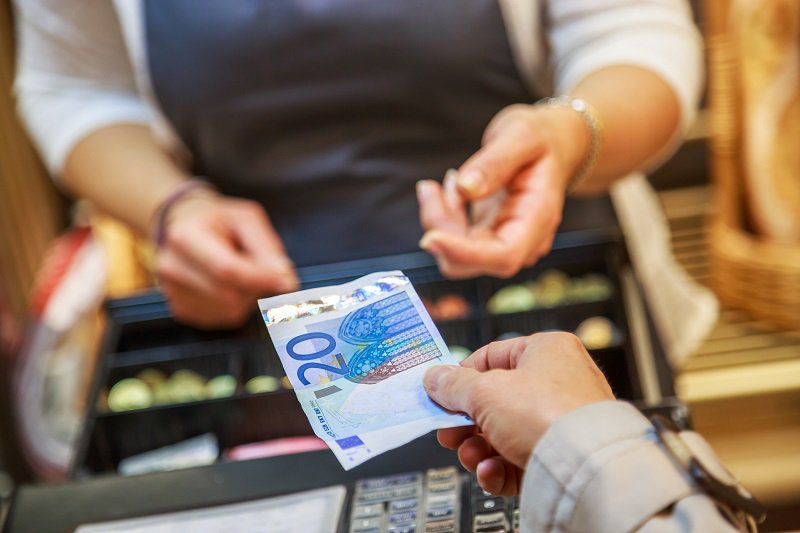
Cash accepted at 96% of points of sale
-
News
-
Cash payments
-
-
Vote on the Design of New Euro Banknotes
-
News
-
Cash payments
-
-
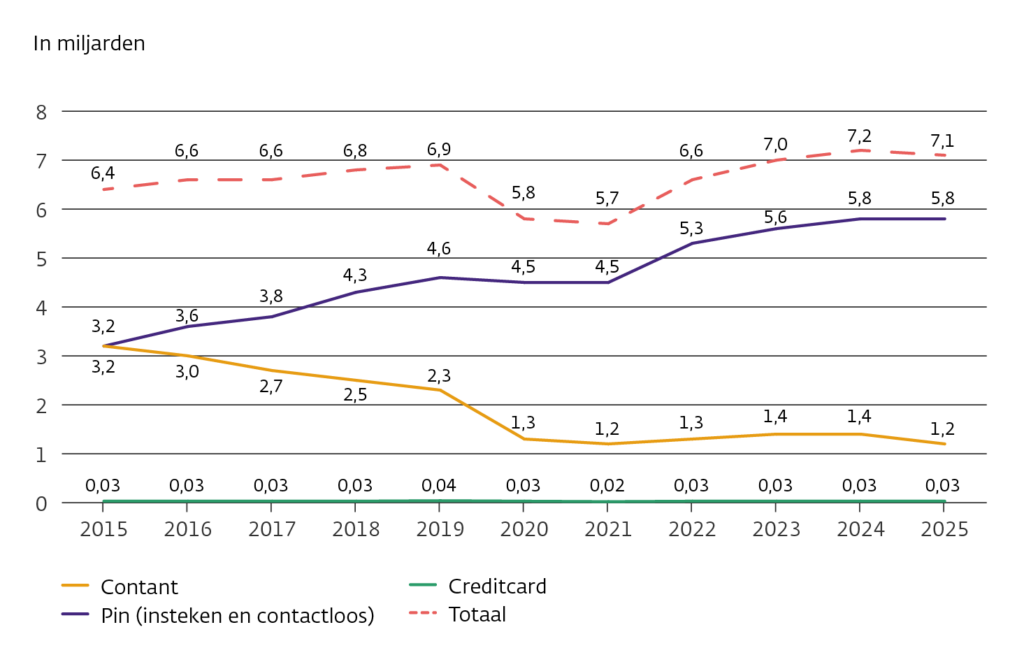
Elderly increasingly pay with debit card
-
News
-
Card payments
-
-
Trial with €100 banknotes at Geldmaat
-
News
-
Cash payments
-