
iDEAL QR now available to everyone
Following a successful one-year pilot, the banks and the Dutch Payments Association have announced that iDEAL QR is being made available to everyone.
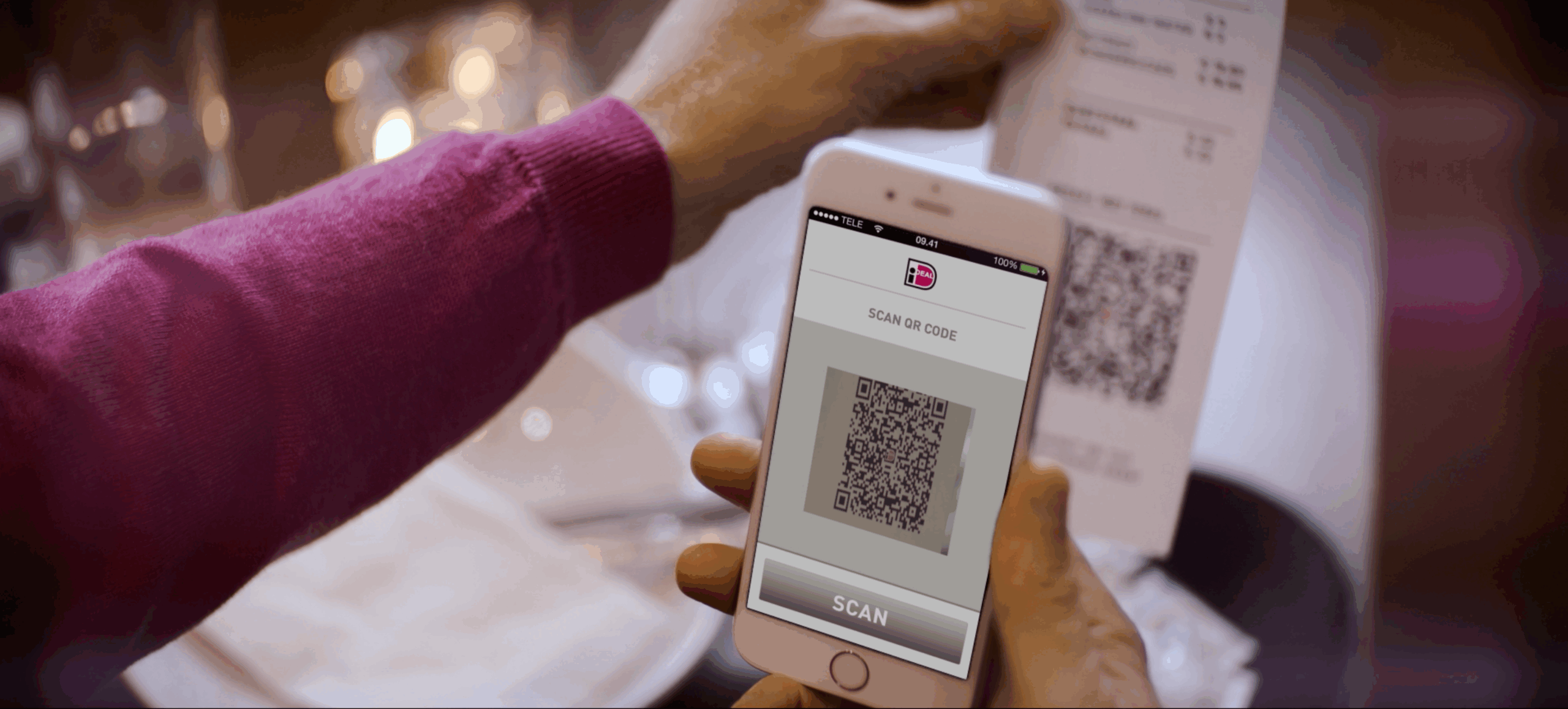
All companies and organisations can now offer iDEAL QR to their customers as an easy and secure payment option. iDEAL QR allows them to bridge the gap between their online environment and the physical point of sale.
With iDEAL QR, customers can scan a printed QR code using their smartphone or tablet to initiate a secure mobile iDEAL payment. An energy company could, for example, print an iDEAL QR code at the bottom of an invoice. The customer no longer needs to copy payment details into online banking, but can pay easily and without errors by scanning the QR code with their mobile phone’s camera.
Convenient applications
iDEAL QR codes can also be used to pay for home deliveries, make purchases directly from advertising posters or transfer a payment from a laptop or desktop computer to a mobile phone. The iDEAL website explains various convenient applications of iDEAL QR (in Dutch)(opens in new window) .
Coming soon to banks’ mobile apps
Consumers can currently use the free iDEAL QR app, available from the Apple App Store and Google Play Store, to scan iDEAL QR codes.
Banks have announced that they will soon add the ability to scan iDEAL QR codes to their own mobile apps. This will make payments using an iDEAL QR code even faster and easier. Adding the functionality to banking apps will also increase consumer confidence in iDEAL QR.
Highly rated by pilot participants
The organisations that participated in the pilot over the past year gave iDEAL QR an average score of more than 8 out of 10. They were particularly positive about how easily and quickly they could implement iDEAL QR. The pilot also showed that QR codes have the broadest acceptance among consumers, as almost every smartphone can scan them. Other technologies such as NFC and Bluetooth are considerably more expensive for merchants and create greater barriers for consumers.
Related articles
-
Dutch abroad pay most with cards in Spanish hospitality
-
News
-
Card payments
-
-

High confidence in Dutch payment system
-
News
-
Card payments
-
-
Next Phase of iDEAL Migration to Wero Begins in October
-
News
-
Online payments
-
-

Lower travel spending is putting pressure on overall online spending
-
News
-
Online payments
-
-

The Digital Euro and Stablecoins: Apples and Oranges
-
News
-
European legislation
-
-
Six out of ten retail business owners say they are prepared for card payments failures
-
News
-
Card payments
-