
Sharp rise in fake text messages purporting to be from banks
In recent months, Dutch banks have received a striking number of reports of ‘smishing’: phishing by text message. Banks are urging customers to forward fake text messages and emails to the bank being impersonated as quickly as possible (in Dutch) . This enables the bank to try to have the fraudulent websites behind those messages blocked.
This evening, Friday 27 September at 7.10 pm, Meldpunt, the consumer programme produced by Dutch broadcaster Omroep MAX (in Dutch) , will devote considerable attention to fake text messages. How do they work? How can you recognise them? And what can you do about them?
Number of smishing reports has doubled
A sample of several members of the Dutch Payments Association shows that the number of reports of fake text messages received by banks has more than doubled since the beginning of this year. At the start of the year, there were roughly 7,000 reports a month; in the first three weeks of September alone, there were already around 15,000.
The total number of reports about phishing in general remained approximately the same over that period. As a result, smishing reports as a share of all phishing reports also rose sharply: from 10% in February to 25% in August and September. Dutch banks receive around 50,000 reports of phishing each month on average.
Hundreds of thousands of fake messages each month
Many fake emails and text messages are also sent in the name of other major organisations, including the Dutch Tax Administration, the Central Fine Collection Agency, DigiD, online retailers and telecoms companies.
Fraudsters probably send between half a million and one million fake messages in the name of banks alone each month. By no means all fake emails and text messages received by customers of banks and other companies are reported.
How can you recognise smishing?
- The text message arrives unexpectedly and purports to be from your bank.
- The message puts you under pressure: it claims the matter is urgent or that something bad is about to happen.
“Your debit card must be replaced immediately.” “A large amount will shortly be debited from your account.” “Your banking app is no longer secure.” - The message contains a link that you are told to click to sign in somewhere.
- Visit Veilig Bankieren (in Dutch) for more information and advice.
- If in doubt, call your bank.
What can you do about it?
- Set your phone to place text messages from unknown senders in a separate folder automatically. Some phones can block all links in messages from unknown senders.
- Do not click the link. You can check it using checkjelinkje.nl (in Dutch) .
- Forward the text message to the bank being impersonated.
See Veilig Bankieren (in Dutch) for the reporting details of all banks. - Make sure you include the complete link from the message when forwarding it to the bank.
- Delete the text message.
- Have you become a victim? Call your bank immediately.
Related articles
-

The Payments Association at GDC26: digital identity and payments
-
News
-
Digital identity
-
-

Industry organisations: involve the financial sector in the roll-out of digital wallets
-
News
-
Digital identity
-
-
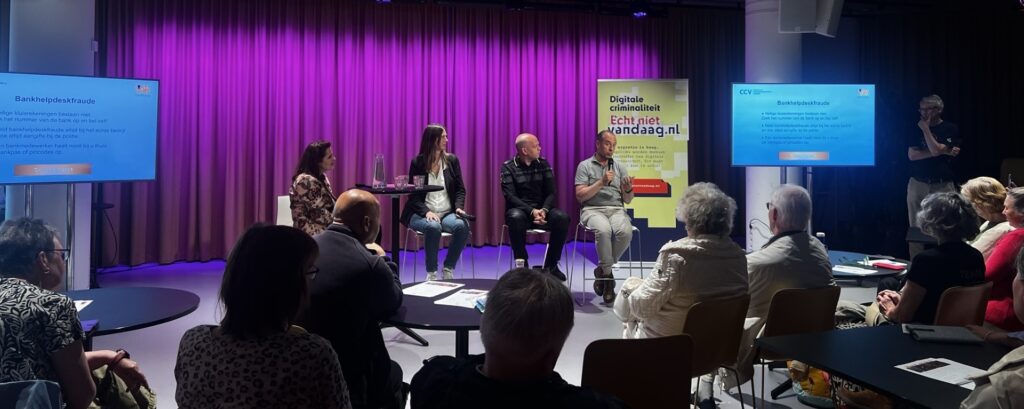
Digital Resilience and AI
-
News
-
Digital identity
-
-
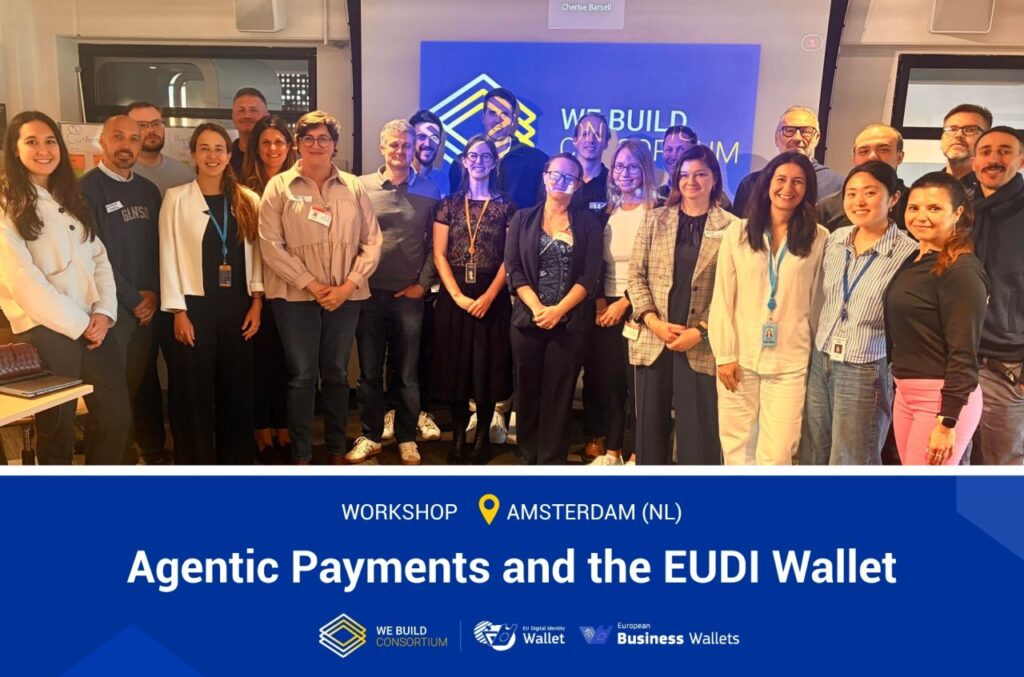
Workshop on agentic payments and the EUDI Wallet
-
News
-
Digital identity
-
-
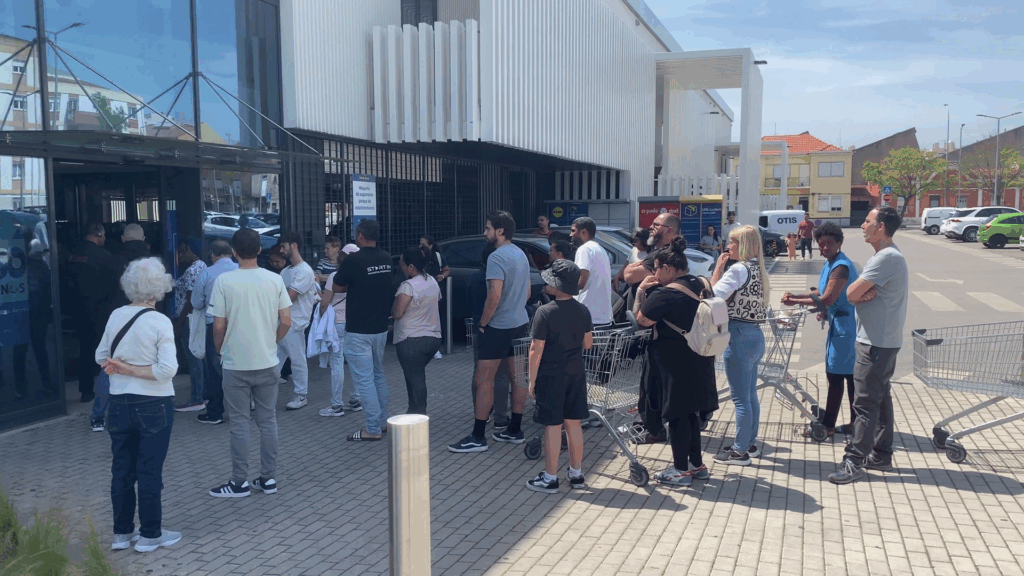
Make sure you have (digital) fallback options in case of a potential card payments failure!
-
News
-
Card payments
-
-

BIC and Identifier ‘BCDMNL22’ removed from the SEPA BIC list
-
IBAN/BIC list
-
IBAN and BIC
-