
Payment fraud causes losses of €12.9 million
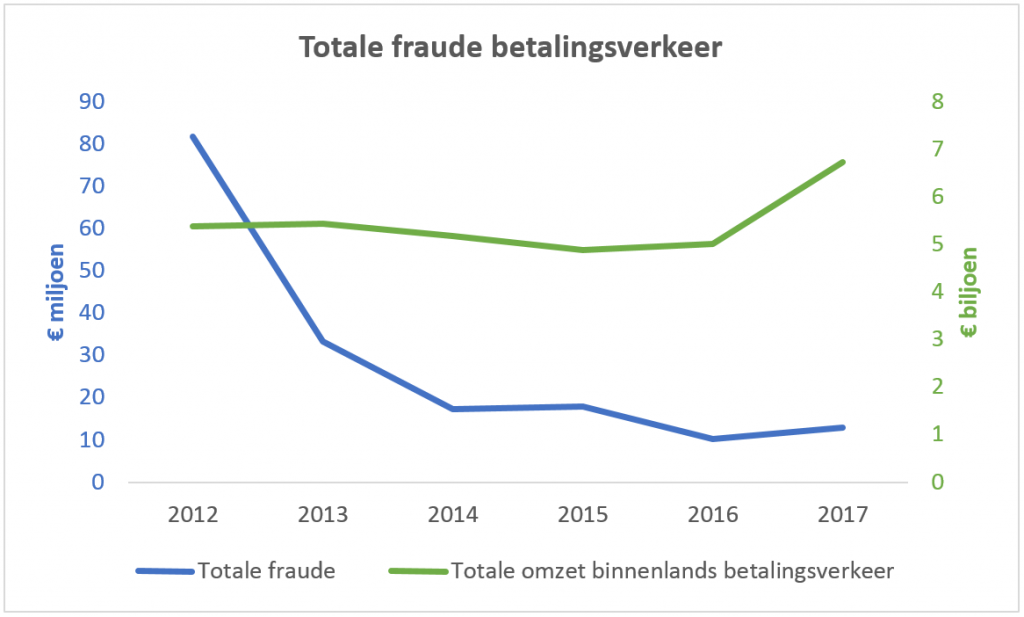
Losses from fraud in Dutch payments totalled €12.9 million in 2017, an increase of €2.7 million compared with the previous year.
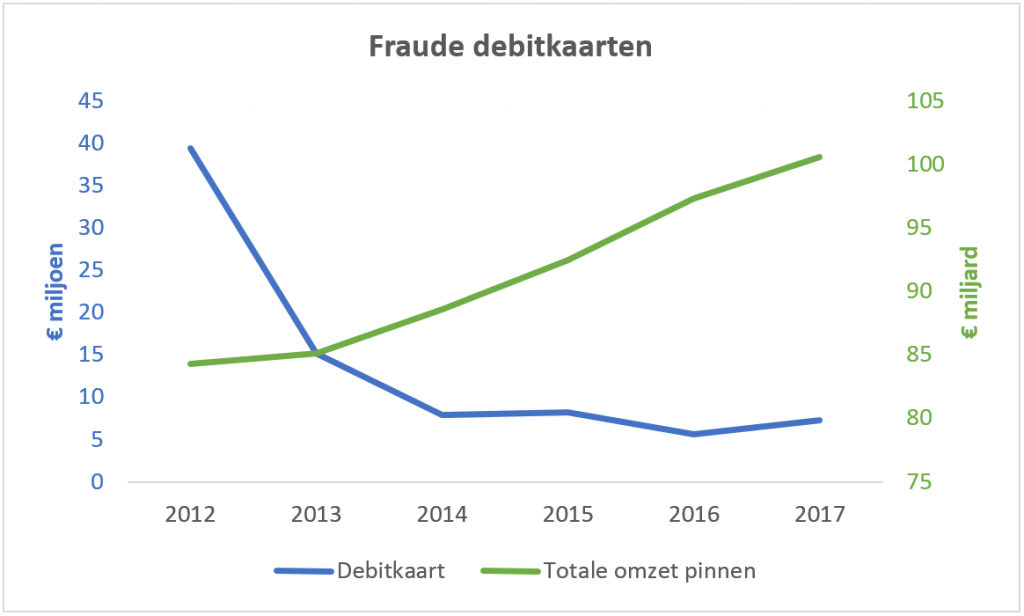
This temporarily brought an end to the decline in fraud seen over many years. The largest losses, €3.5 million, were caused by fraud involving stolen or lost debit cards. Online banking fraud increased by €392,000 in 2017 to €1.2 million. Banks reimbursed 96.7 per cent of these losses to the victims. The figures come from the Dutch Payments Association and the Dutch Banking Association.
Convincing phishing emails
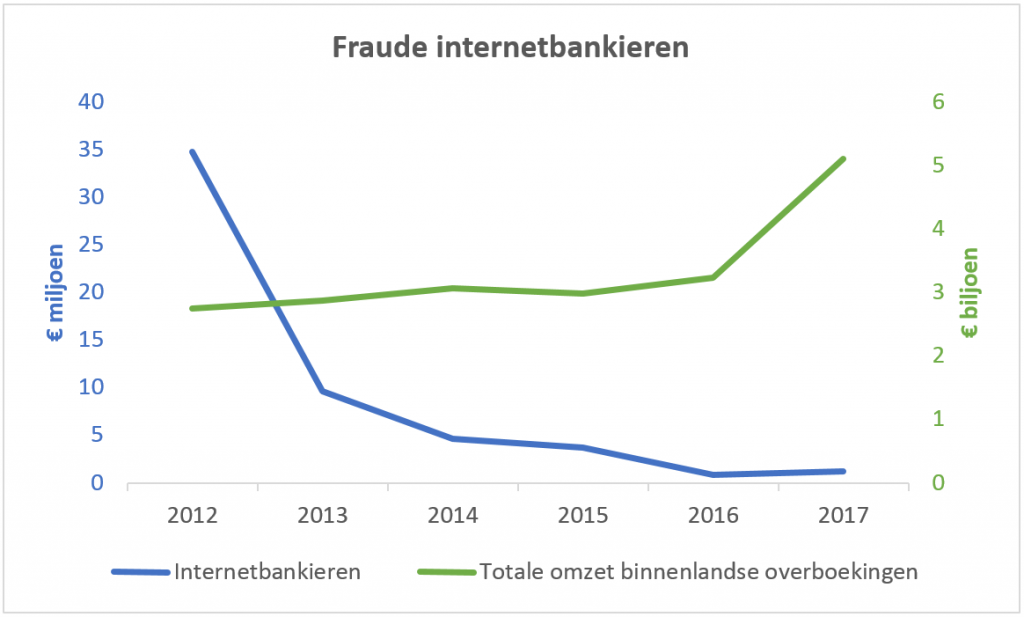
The rise in online banking fraud appears to be primarily the result of more convincing phishing emails. In historical terms, however, losses remain low. In 2011, online banking fraud still caused losses of more than €35 million.
According to De Nederlandsche Bank, the total value of domestic payments rose to more than €6.5 trillion last year, from more than €5 trillion in 2016. As a result, the proportion of fraudulent transactions fell to less than 0.0002 per cent of the total payment volume, despite total losses increasing by a quarter compared with 2016.
Banks and payment institutions continually invest in improving the monitoring and detection of fraudulent transactions. Across the sector, they share as much information, knowledge and experience as possible about fraud methods.
Fraudulent direct debits and forgeries
Fraud involving direct debits and forged transfer forms also increased in 2017. Together, these two types of fraud caused losses of almost €1.3 million. Tighter controls by banks sharply reduced direct debit fraud again in the second half of the year. In addition, close cooperation with the police led to the arrest in late 2017 of six people involved in stealing and forging transfer forms.
New payment methods remained fraud-free in 2017
Relatively new ways of paying and banking remained fraud-free last year, despite their rapidly growing use. As in previous years, no cases of contactless pickpocketing involving contactless debit cards were reported in 2017. Nor were any losses from fraud involving mobile banking apps reported. Banks and payment institutions remain fully alert to new forms of fraud involving these electronic payment methods.
Related articles
-

Pay-by-Bank, what is it?
-
News
-
Online payments
-
-
A2A payments continue to grow
-
News
-
Online payments
-
-

Dutch abroad pay most with cards in Spanish hospitality
-
News
-
Card payments
-
-

The Payments Association at GDC26: digital identity and payments
-
News
-
Digital identity
-
-

High confidence in Dutch payment system
-
News
-
Card payments
-
-

Industry organisations: involve the financial sector in the roll-out of digital wallets
-
News
-
Digital identity
-