
Electronic payments grow as digital payment fraud declines
As in previous years, debit card and online payments grew sharply in 2013. Nevertheless, electronic payment fraud more than halved. Financial losses fell from over €82 million in 2012 to less than €34 million in 2013.
In its 2013 annual report, the Dutch Payments Association concludes that its joint efforts with banks to combat skimming, phishing and malware in particular are bearing fruit. The Netherlands has also almost completed its migration to uniform European payment standards.
- Refunds to bank accounts using Retourpinnen, a debit card refund service.
- Innovations and public information make electronic payments easier and more secure.
- Migration to European payment standards is almost complete.
Debit card innovations and fewer cash payments
The number of debit card payments rose by 7.5% in 2013, while the number of cash withdrawals from ATMs fell by 4.5%. Small amounts of up to €10 in particular are increasingly paid by debit card. In line with this trend, debit card use in the hospitality and parking sectors increased sharply. Combined with the strong growth of online payments, including iDEAL, at webshops, this helps explain the decline in cash payments.
Debit card and online payments are becoming easier and more secure as a result of new developments. At the end of 2013, banks introduced fast and secure dip & go payments at parking machines. In 2014, they are introducing Retourpinnen and contactless payments. Meanwhile, mobile debit card acceptance and shopping by smartphone and tablet are growing rapidly. These innovations make electronic payments a cheaper, easier and more secure alternative to cash.
Skimming almost eradicated
Despite the strong growth in debit card payments, skimming had almost disappeared by the end of 2013. Security at ATMs and unattended payment terminals was further improved in 2013 to combat skimming. Payment terminal suppliers, banks and the Dutch Payments Association worked closely together on this. The introduction of debit cards with EMV chips has made skimming within Europe impossible. Most banks have disabled debit cards for use outside Europe by default. Awareness campaigns by banks and the Dutch Payments Association have also encouraged cardholders to shield their PINs more effectively and remain alert to tampered payment terminals and ATMs.
Online banking fraud losses fell by almost three-quarters in 2013, partly due to banks’ investments in real-time fraud detection systems. The Dutch Payments Association works closely with banks on interbank cybersecurity initiatives. It participates in the National Cyber Security Centre (NCSC), for example, and runs campaigns on secure banking.
SEPA migration almost complete
By the end of 2013, the Netherlands was among the leading countries in the transition to SEPA payment products. At the start of 2013, SEPA credit transfers and direct debits still accounted for only a very small share of payments in the Netherlands. However, the transition to European payment standards accelerated in the second half of the year. All banks and most businesses then switched to IBANs and SEPA payment products. From 1 August 2014, credit transfers and direct debits without an IBAN will no longer be possible.
Related articles
-

Dutch abroad pay most with cards in Spanish hospitality
-
News
-
Card payments
-
-
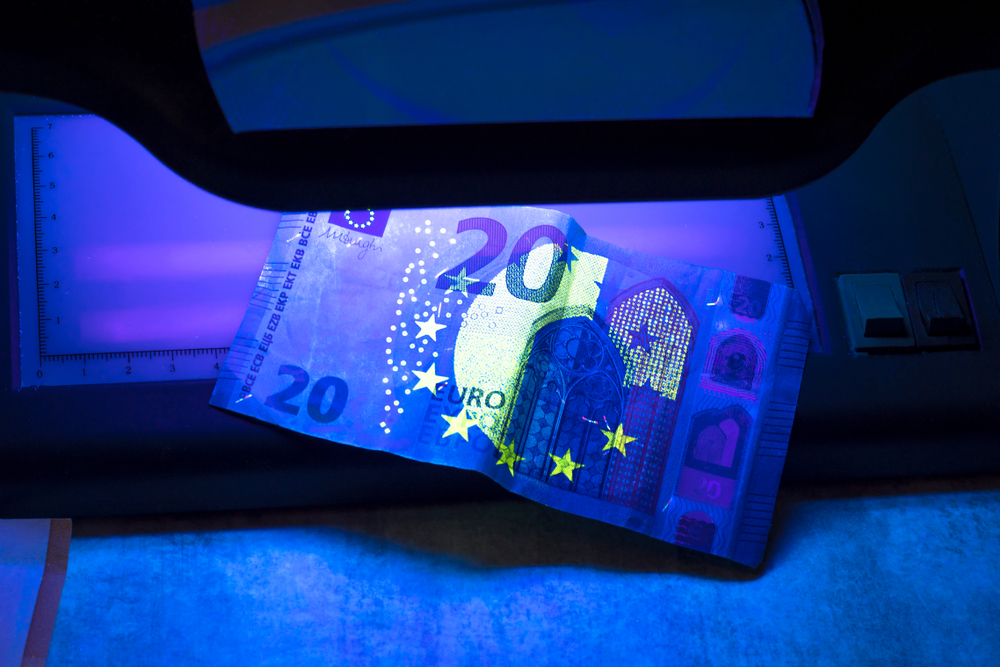
Tackling ATM attacks with ink, glue and synthetic DNA
-
News
-
Cash payments
-
-

High confidence in Dutch payment system
-
News
-
Card payments
-
-
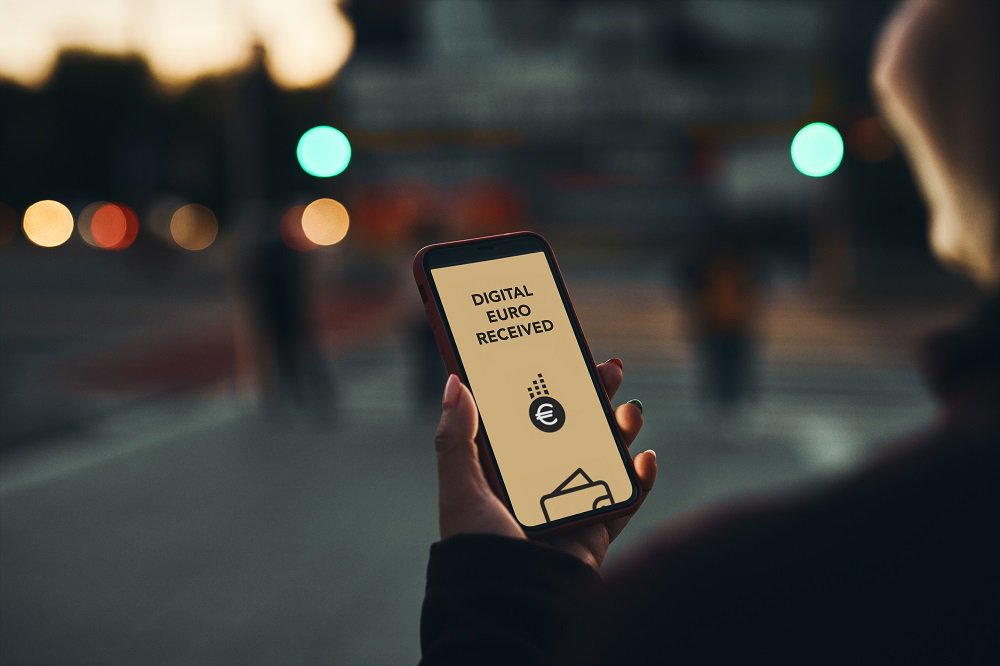
Make digital euro useful, simple and affordable
-
News
-
European legislation
-
-
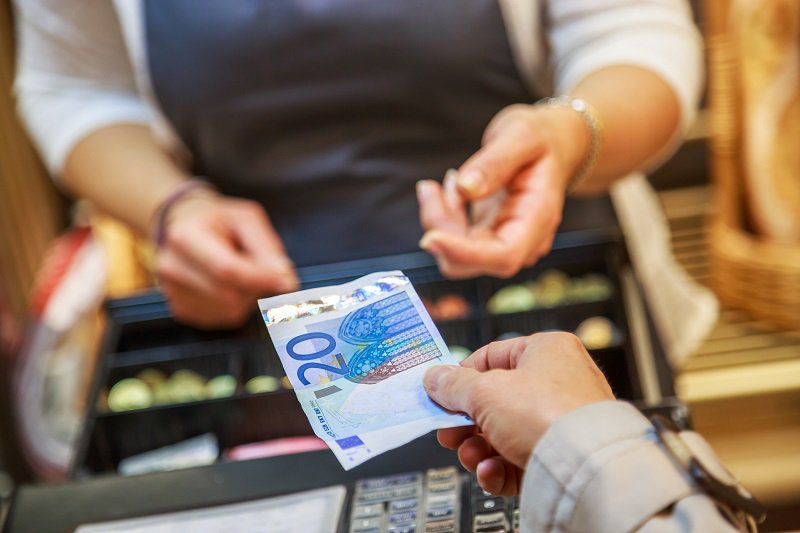
Cash accepted at 96% of points of sale
-
News
-
Cash payments
-
-
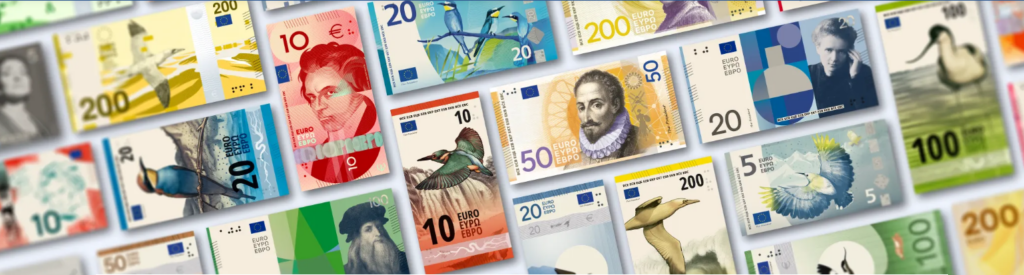
Vote on the Design of New Euro Banknotes
-
News
-
Cash payments
-