
Debit cards accepted at 8 out of 10 oliebollen stalls
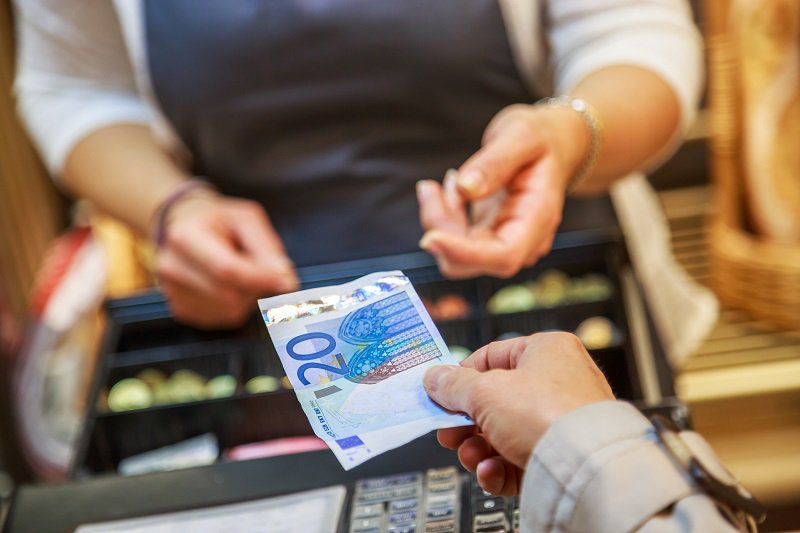
Debit card payments have become commonplace at oliebollen stalls: 79 per cent of these Dutch doughnut stalls have a payment terminal. Almost all of those terminals (91 per cent) support fast and hygienic contactless payments by debit card or mobile phone. These findings come from the annual survey of Dutch oliebollen stalls conducted by Roamler Retail Analytics on behalf of the Efficient Payments Foundation and the Dutch Payments Association.
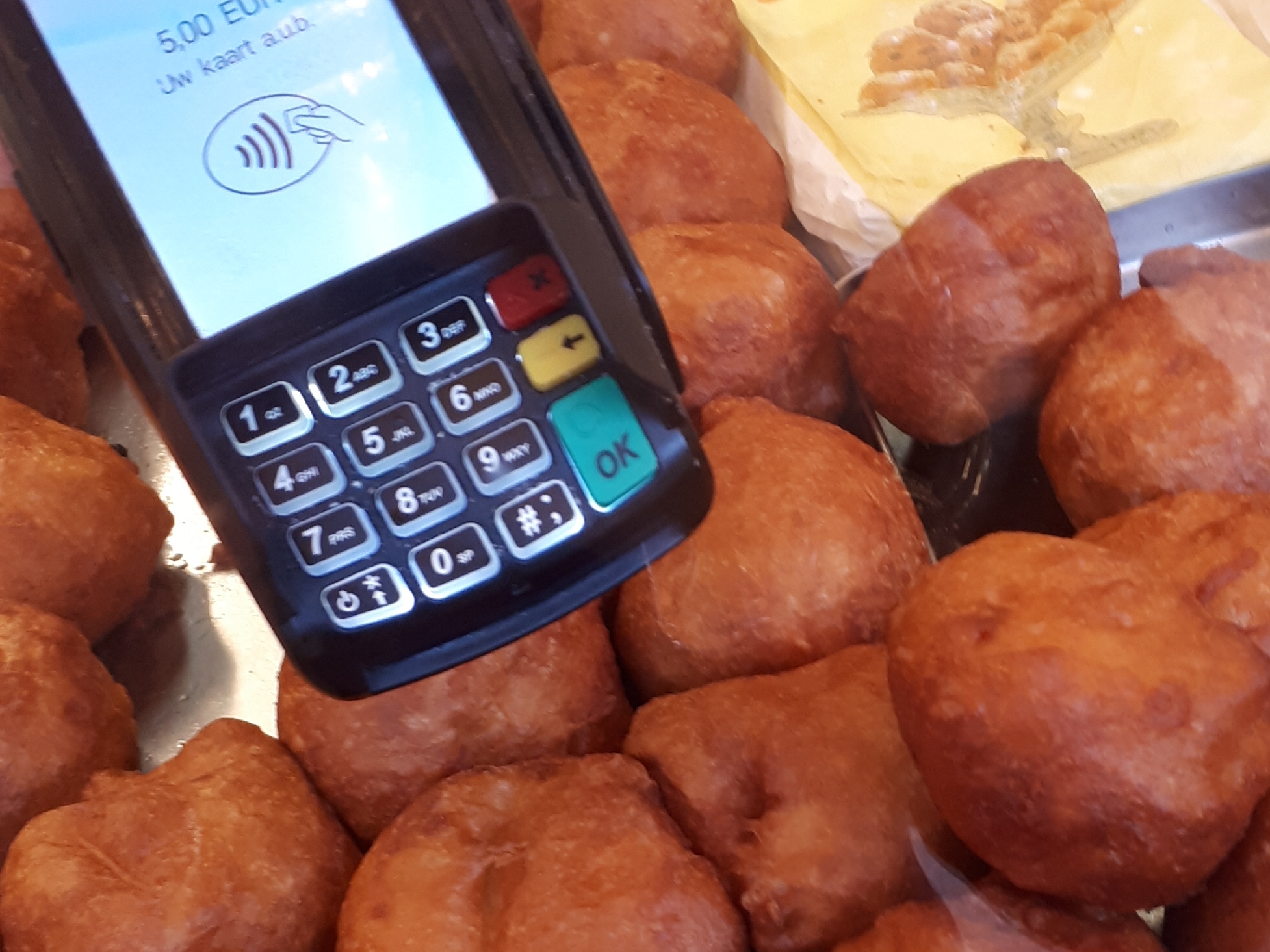
Not every oliebollen seller makes it clear that debit card payments are accepted, so customers sometimes have to ask: 31 per cent do not advertise this with a sticker or sign. Oliebollen stalls have come a long way. Two years ago, customers could pay electronically for their fritters, beignets and oliebollen at only 40 per cent of stalls; the previous year, the share was estimated at 10 per cent.
Cash still common in Limburg and Overijssel
Roamler participants themselves prefer oliebollen with currants (65 per cent chose this variety). They found that these cost about the same as oliebollen without currants: an average of €0.95 each, one cent more than last year. At an average of €1, an oliebol in North Brabant is more expensive than in other provinces. The cheapest oliebollen are found in Friesland, at €0.87. Limburg lags behind in debit card acceptance: only 60 per cent of stalls accept debit cards. Cash is also still often needed in Overijssel, where 68 per cent accept debit cards. Almost no stalls charge extra for paying by debit card; 4 per cent impose a fee, for example on amounts below €10.
All findings are plotted on oliebollenkaart.nl (in Dutch) .
Research while shopping
The survey of oliebollen stalls was carried out by Roamler, a smartphone app that mobilises consumers to take part in paid market research.
Related articles
-
Dutch abroad pay most with cards in Spanish hospitality
-
News
-
Card payments
-
-
Tackling ATM attacks with ink, glue and synthetic DNA
-
News
-
Cash payments
-
-

High confidence in Dutch payment system
-
News
-
Card payments
-
-
Make digital euro useful, simple and affordable
-
News
-
European legislation
-
-
Cash accepted at 96% of points of sale
-
News
-
Cash payments
-
-
Vote on the Design of New Euro Banknotes
-
News
-
Cash payments
-