
Economic crisis slows decline in cash payments in 2013
Consumers paid for purchases with banknotes and coins just as often in 2013 as in 2012, interrupting the downward trend in cash payments. The economic crisis may have caused the decline to stall, as it had its greatest impact on household finances in 2013. The lower people’s income and spending power, the more purchases they paid for in cash.
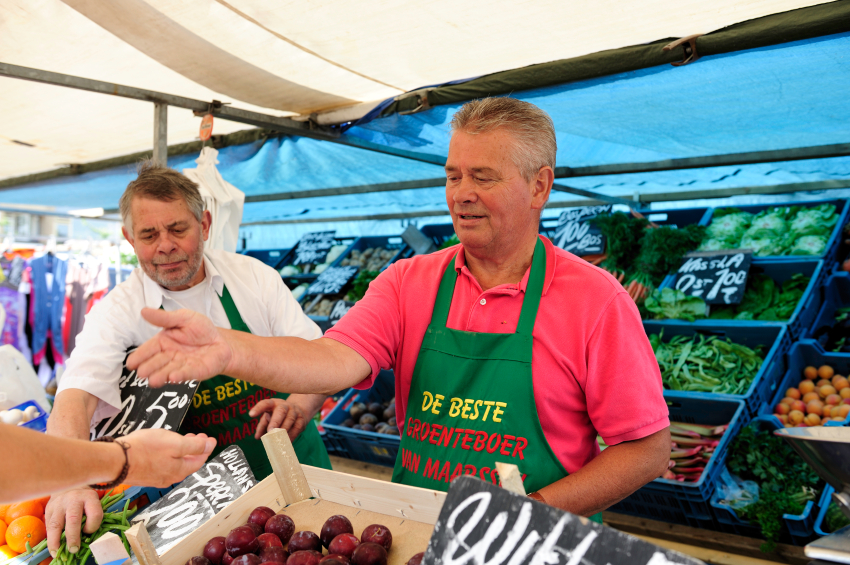
Consumer payment behaviour in 2013 was shown by joint research conducted by the Dutch Payments Association and De Nederlandsche Bank. Consumers made 3.8 billion cash payments at the point of sale in both 2012 and 2013. However, their total value fell from €50 billion to €47 billion. People in the Netherlands also paid by debit card more often than before. Between 2012 and 2013, the number of debit card payments grew from 2.5 billion to 2.7 billion and their total value rose from €84 billion to €85 billion.
Although the crisis had already lasted several years, it had its greatest impact on household finances in 2013. According to Statistics Netherlands and the Netherlands Institute for Social Research, low-income households in particular lost more spending power in 2013 than in previous years. Income has a major influence on payment methods at the point of sale. People on low incomes paid for most purchases in cash, while those on high incomes paid by debit card more often than in cash. This may explain why the decline in the number of cash purchases stalled in 2013.
Cash use for everyday shopping stabilises
For people with little to spend who needed or wanted to monitor their budget carefully, cash in their wallet was often a way to keep track of their expenditure. This appeared to occur more often in 2013, particularly in sectors where people bought everyday groceries, such as supermarkets and specialist food shops. While the share of debit card payments increased in other sectors compared with previous years, cash use in these sectors stabilised or even rose slightly. People with less to spend were also more likely to visit several shops in search of bargains*. The increase in bargain hunting in 2013 was reflected, among other things, in the fall in the average value of cash transactions.
*Nederland bezuinigt: Onderzoek naar de bezuinigingsstrategieën van Nederlanders, NIBUD, April 2013 (in Dutch).
All findings from the joint DNB and Dutch Payments Association study of cash and debit card use in the Netherlands in 2013 were published in the factsheet ‘Payments at the point of sale 2013’. It contained information about cash and debit card use in general and by transaction amount, sector and demographic characteristics, people’s preference for cash or debit cards and their attitudes towards contactless payments.
Related articles
-

Dutch abroad pay most with cards in Spanish hospitality
-
News
-
Card payments
-
-
Tackling ATM attacks with ink, glue and synthetic DNA
-
News
-
Cash payments
-
-

High confidence in Dutch payment system
-
News
-
Card payments
-
-
Make digital euro useful, simple and affordable
-
News
-
European legislation
-
-
Cash accepted at 96% of points of sale
-
News
-
Cash payments
-
-
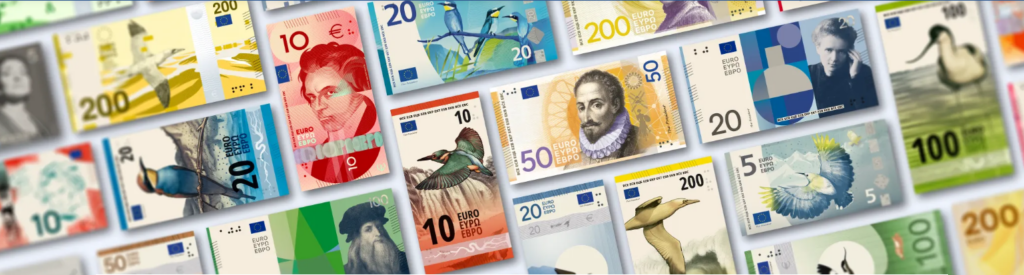
Vote on the Design of New Euro Banknotes
-
News
-
Cash payments
-