
Major differences between online payment methods
The structure and level of fees charged by providers of payment methods for online shops vary widely. There are also clear differences in the costs of the payment methods themselves.
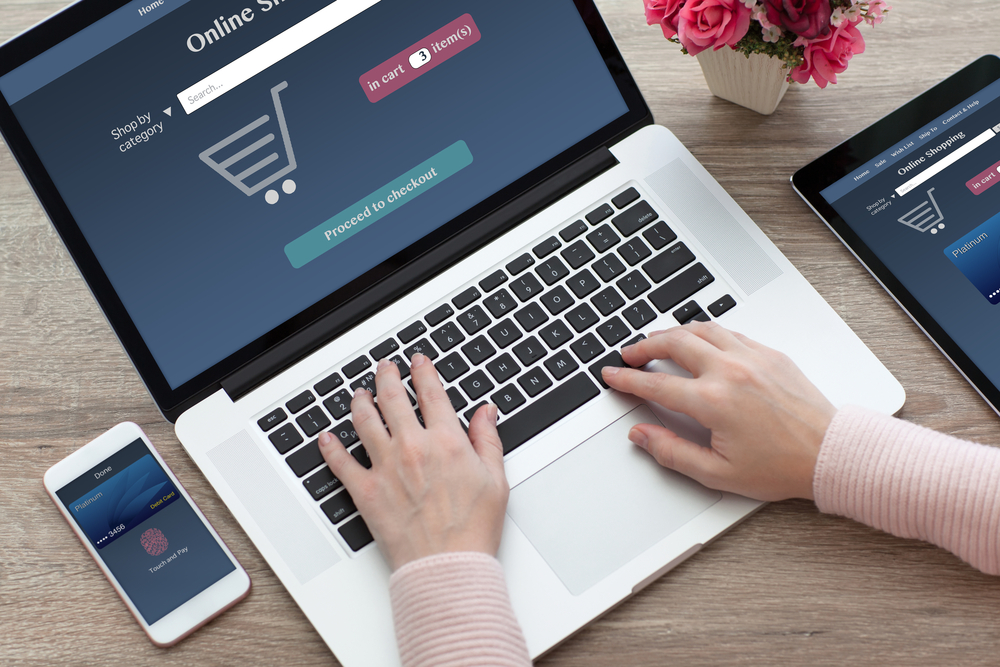
For payments at the point of sale – debit card, cash, credit card and others – businesses focus heavily on costs. For online transactions, they are guided mainly by convenience and customer preferences. Compared with point-of-sale payments, online payments are still modest in scale: 142 million transactions compared with 6.5 billion, and €8.4 billion in turnover compared with €136 billion. Online payments are growing, however, and are also becoming more important in offline environments. Businesses should therefore compare costs regularly, negotiate firmly with their providers and steer customers towards the most efficient payment methods.
Main cost items
Research by Panteia shows that internal staff costs account for the largest share of total costs in point-of-sale payments, at 67%. Costs associated with human handling are limited to 5% for online payments. These costs are determined mainly by the fees charged by Payment Service Providers (PSPs) for their varied services and by the costs of the payment methods themselves. Three-quarters of online shops use a PSP. In terms of payment methods, iDEAL and bank transfers are the least expensive, while AfterPay/Klarna and PayPal cost the most.
Six case studies
There are around 32,000 online shops focused primarily on internet sales and roughly the same number of online shops belonging mainly to physical businesses. Most online shops are small or very small: 94% have just one person working in the business. The research examined six case studies with clear variations in costs. Total transaction costs range from 0.3% to 2.9% of turnover. The percentage is higher for businesses with few transactions and relatively high use of deferred payment, credit cards or PayPal. PayPal and deferred payment are often offered as payment methods but are still used relatively little in the Netherlands. iDEAL(opens in new window) is by far the most frequently used payment method at 56%, followed by credit cards at 12%.
Estimated total costs
The research was not designed to calculate the total costs of online payments, but it does provide an indication. Total costs in 2015 are estimated at no more than approximately €250 million, of which around €135 million relates to product sales. By comparison, the total cost of point-of-sale payments in 2014 was €1.33 billion, or 1.2% of consumer spending at the point of sale.
The full research report can be viewed here.
Related articles
-
Dutch abroad pay most with cards in Spanish hospitality
-
News
-
Card payments
-
-

High confidence in Dutch payment system
-
News
-
Card payments
-
-
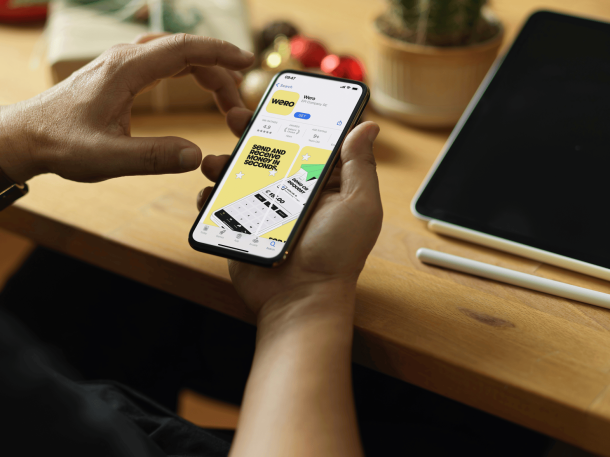
Next Phase of iDEAL Migration to Wero Begins in October
-
News
-
Online payments
-
-

Lower travel spending is putting pressure on overall online spending
-
News
-
Online payments
-
-

The Digital Euro and Stablecoins: Apples and Oranges
-
News
-
European legislation
-
-
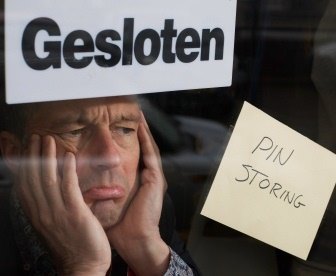
Six out of ten retail business owners say they are prepared for card payments failures
-
News
-
Card payments
-