
Total payment fraud losses decline
Total losses from fraud involving bank payment instruments fell by 9 per cent in the first half of 2018 compared with the previous six months, to €5.55 million.
This was mainly due to a sharp 41 per cent decline in debit card fraud, to €2.13 million. Losses from internet banking fraud more than doubled, from €679,000 in the second half of 2017 to €1.56 million in the first half of 2018. Of this amount, 85 per cent resulted from phishing for internet banking security codes by email, social media and telephone. In 2011, internet banking fraud still caused losses of €35 million.
All types of debit card fraud declined
Debit card fraud fell sharply across the board, including fraud involving stolen and lost cards, skimming of magnetic stripes and fraudulent debit card applications. Theft and loss still caused the most damage, at €1.32 million. Losses from fraudulent applications fell particularly sharply, by 84 per cent, to just €154,000 over the past six months.
More victims of phishing
Losses caused by phishing for internet banking security codes rose by 126 per cent. More and more phishing emails are being sent, and their quality is continually improving.
Phishing losses nevertheless remain a very small share of the total value of internet banking transactions: approximately 0.00008 per cent, or less than one ten-thousandth of a per cent.
Banks never ask for security codes!
Users can help prevent becoming victims of phishing by watching carefully for fake emails. Genuine banks will never ask customers by email, social media or telephone to visit a web page and enter their internet banking security codes. If you want to log in to your bank, type its familiar web address into your browser’s address bar yourself.
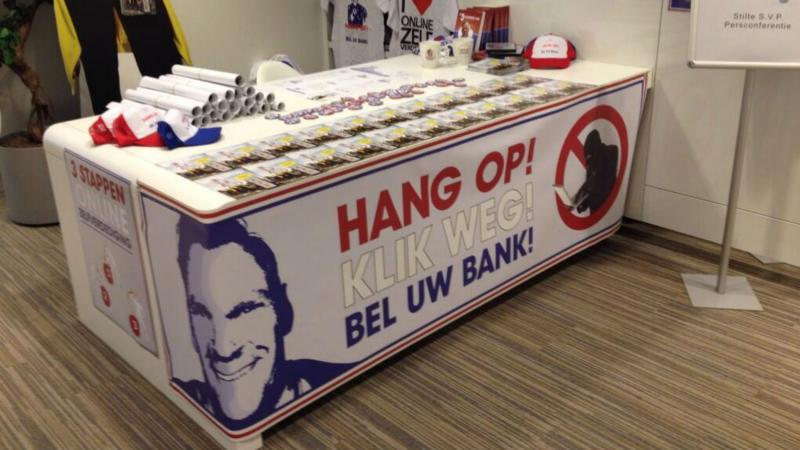
To combat phishing, banks have fake websites used in phishing emails blocked as quickly as possible. They also monitor payments so they can intercept suspicious transactions. Through joint campaigns online, on radio and on television, banks inform consumers: Hang up! Click away! Call your bank! (in Dutch)
More useful tips on recognising phishing emails and preventing other types of payment fraud are available at VeiligBankieren.nl (in Dutch) .
Figures on fraud involving bank payment instruments are collected and reported by the Dutch Payments Association and the Dutch Banking Association (in Dutch) .
Related articles
-

The Payments Association at GDC26: digital identity and payments
-
News
-
Digital identity
-
-

Industry organisations: involve the financial sector in the roll-out of digital wallets
-
News
-
Digital identity
-
-
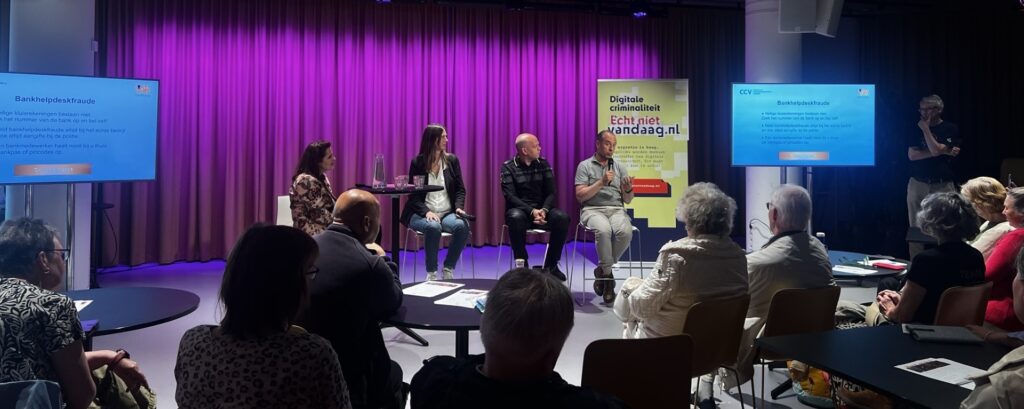
Digital Resilience and AI
-
News
-
Digital identity
-
-
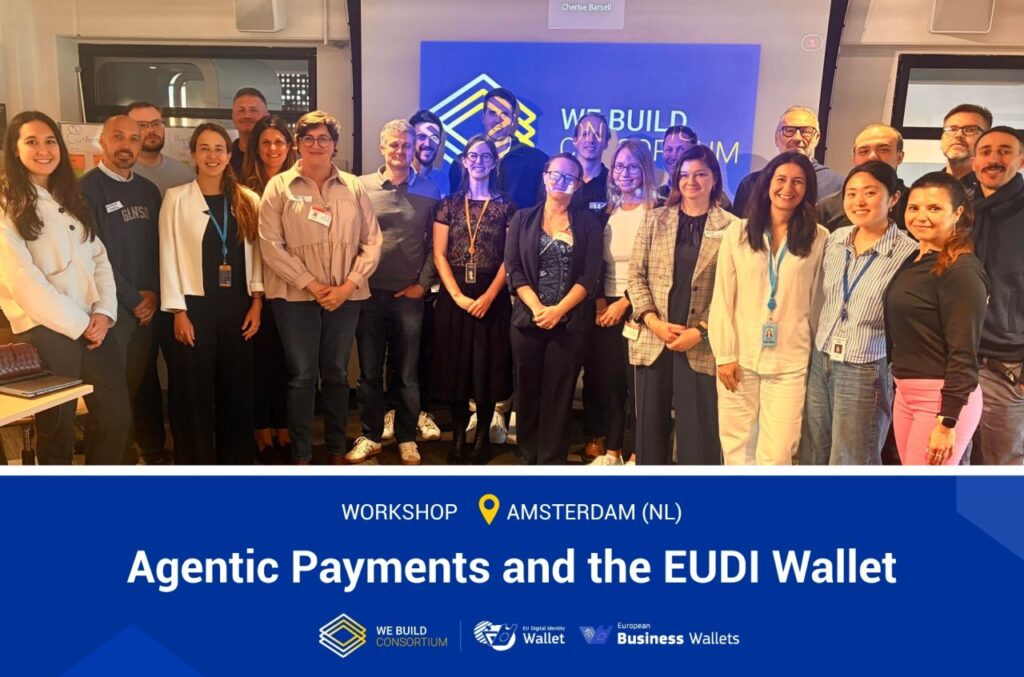
Workshop on agentic payments and the EUDI Wallet
-
News
-
Digital identity
-
-
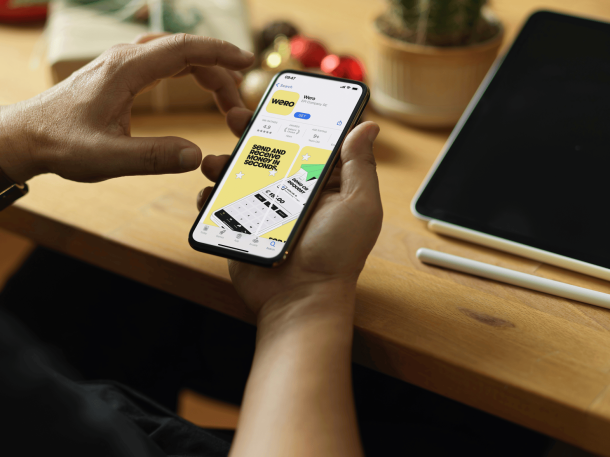
Next Phase of iDEAL Migration to Wero Begins in October
-
News
-
Online payments
-
-
Tackling ATM attacks with ink, glue and synthetic DNA
-
News
-
Cash payments
-